

Home > Products > RFID TAG > RFID Key Fob
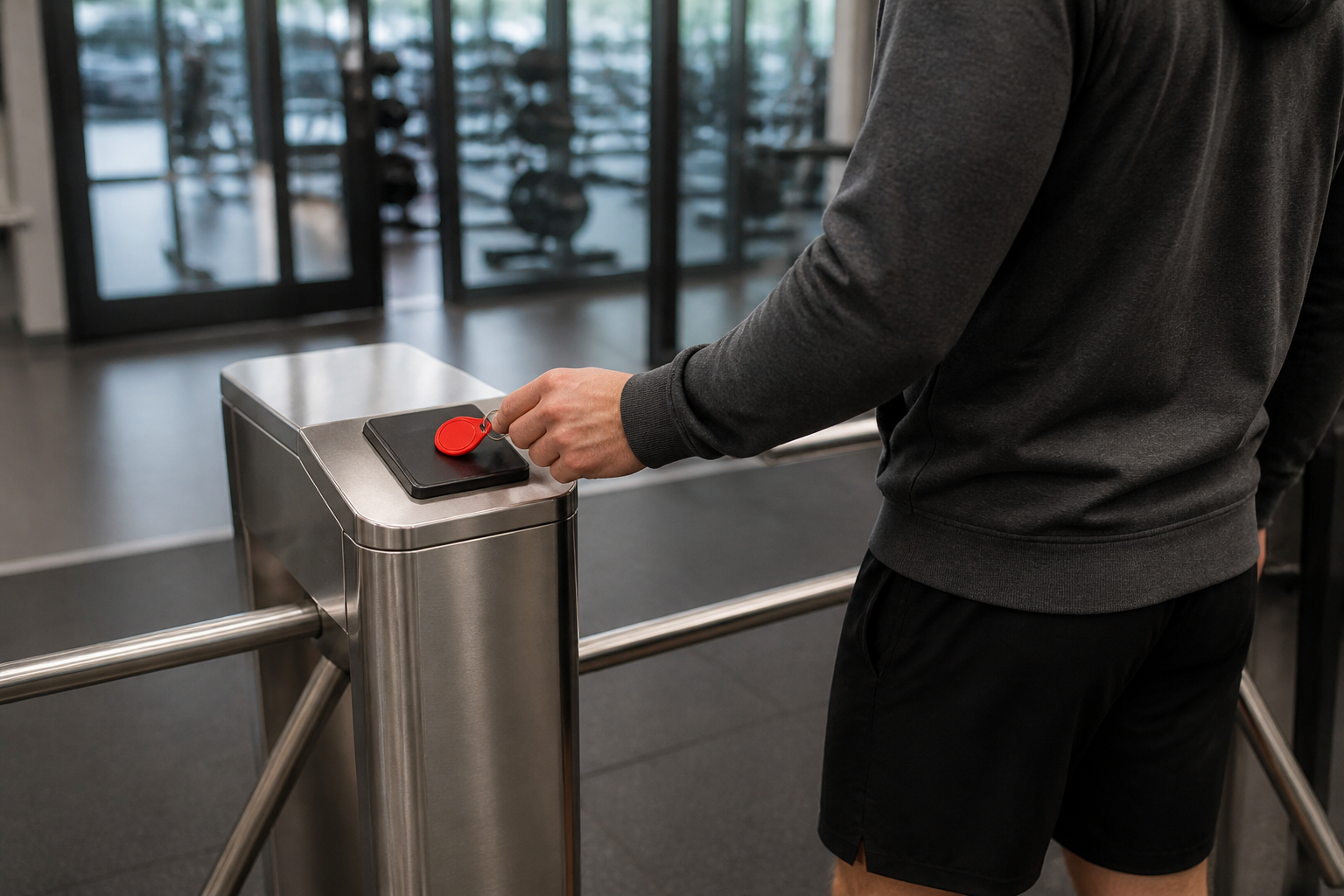
13.56 MHz key fob
A MIFARE Classic 1K or 4K fob in ABS or epoxy, made for the systems already on the wall.
Most of these are bought to replace a lost fob in a system somebody installed years ago, which is exactly what MIFARE Classic is good at: it is the most widely deployed 13.56 MHz credential in the world, and a new fob has to match it. It is not a good choice for a new installation that has to resist cloning.
| 13.56 MHzISO/IEC 14443A | 1 KB or 4 KBClassic 1K / Classic 4K | 1 to 30 mmread distance, published |
Read this before choosing a chip
MIFARE Classic’s Crypto1 cipher was reverse-engineered and broken in 2008, and the published attacks have only got cheaper since: a hobbyist with a Proxmark and a laptop recovers a sector key in minutes, and clones a complete fob shortly after.
So when is a Classic fob the right purchase? When the system already exists. Replacing lost fobs, adding staff, or restocking a hotel that was fitted with Classic locks is legitimate, common work — and this fob is the right part for it, because nothing else will interoperate. What is not defensible is specifying Classic for a new access-control installation where a cloned credential is a real loss. If that is the project, the answer is DESFire EV2 — we offer it in this body — and if the specification calls for the newest part, ask us for EV3.
| Chip family | Radio | Memory | Security | Use it for |
| EM4100, TK4100 125 kHz |
125 kHz | 64-bit ID read only |
None. A fixed number, cloned by a cheap handheld copier | Legacy time attendance and older door systems. Never for anything that matters. |
| MIFARE Classic 1K / 4K |
13.56 MHz | 1 KB / 4 KB 16 or 40 sectors |
Crypto1, broken 2008. Clonable in minutes | Replacing credentials in an existing Classic installation. The compatibility choice, not the secure one. |
| MIFARE Ultralight | 13.56 MHz | 64 bytes or 48 bytes user |
No mutual authentication; a unique UID only | Single-use tickets, event wristbands, laundry and locker tags where cloning has no value. |
| NTAG213 / 215 / 216 | 13.56 MHz NFC |
144 / 504 / 888 bytes | No mutual authentication; UID plus optional password | Phone-tapped fobs, maintenance records, guest information. Readable by any modern handset. |
| DESFire EV1 / EV2 / EV3 | 13.56 MHz | 2 / 4 / 8 KB | AES-128 mutual authentication. The right answer for new systems | New access control, ticketing, campus cards, anything where a cloned credential is a loss. EV3 is the current part; EV1 is legacy. |
Bodies and colours
| Body | Shape | What it suits |
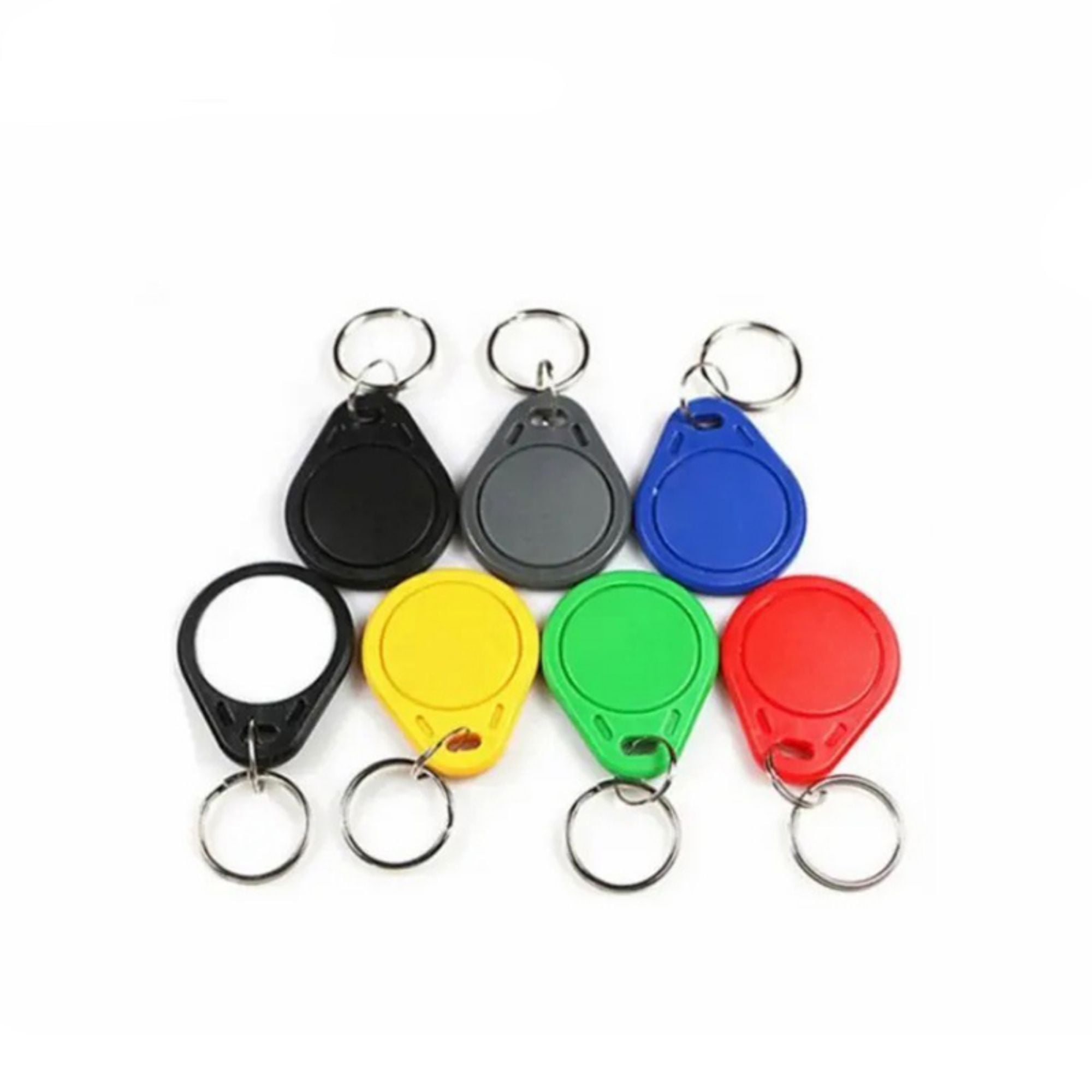
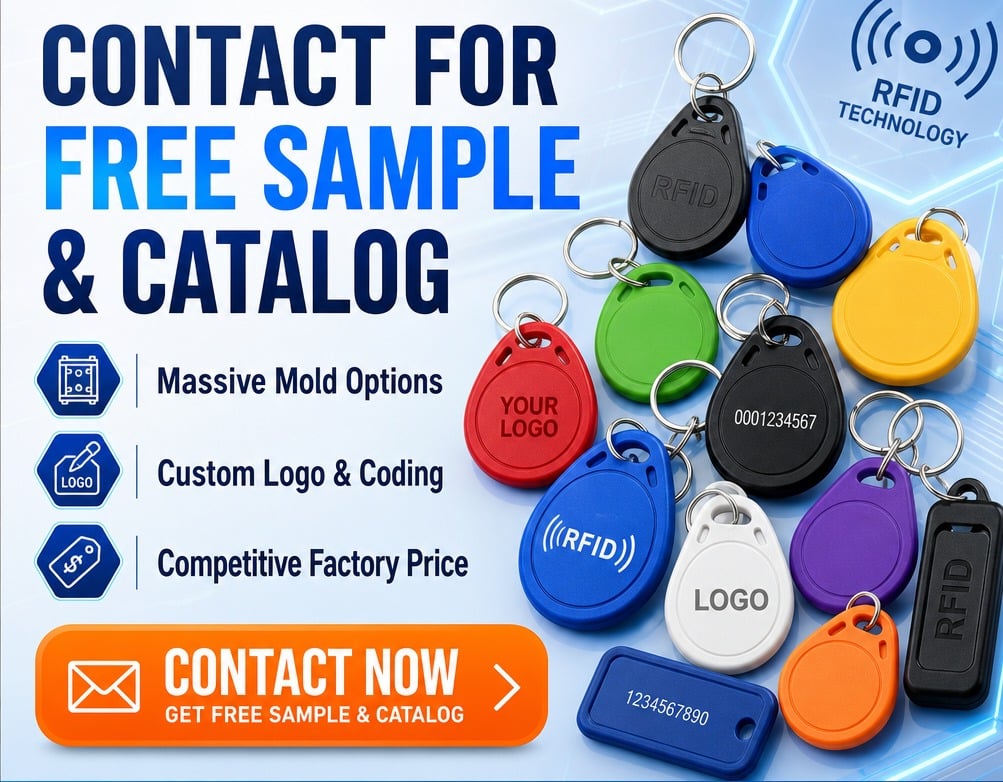
| Teardrop ABS | The classic fob: a rounded triangle about 40 mm long, with a moulded ring hole and a flat front face for printing. | Hotels and gyms, where the fob is handed to a guest and has to look like a key. The largest print area of the three. |
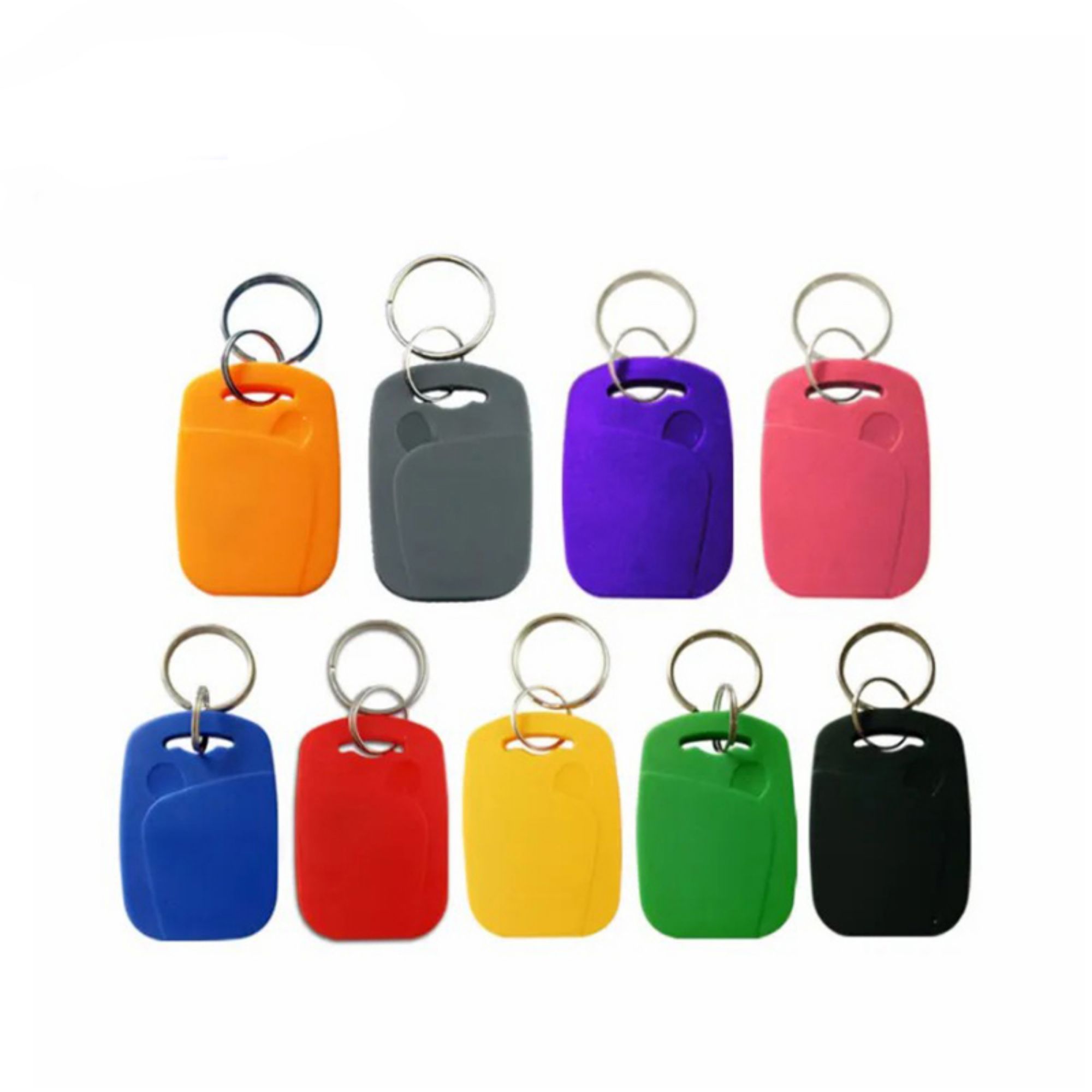
| Rounded rectangle | A squared-off body with a raised shoulder at the ring end, with purple, pink and orange among the options. | Staff credentials and locker keys, where colour is used to mean something — department, floor, shift. |
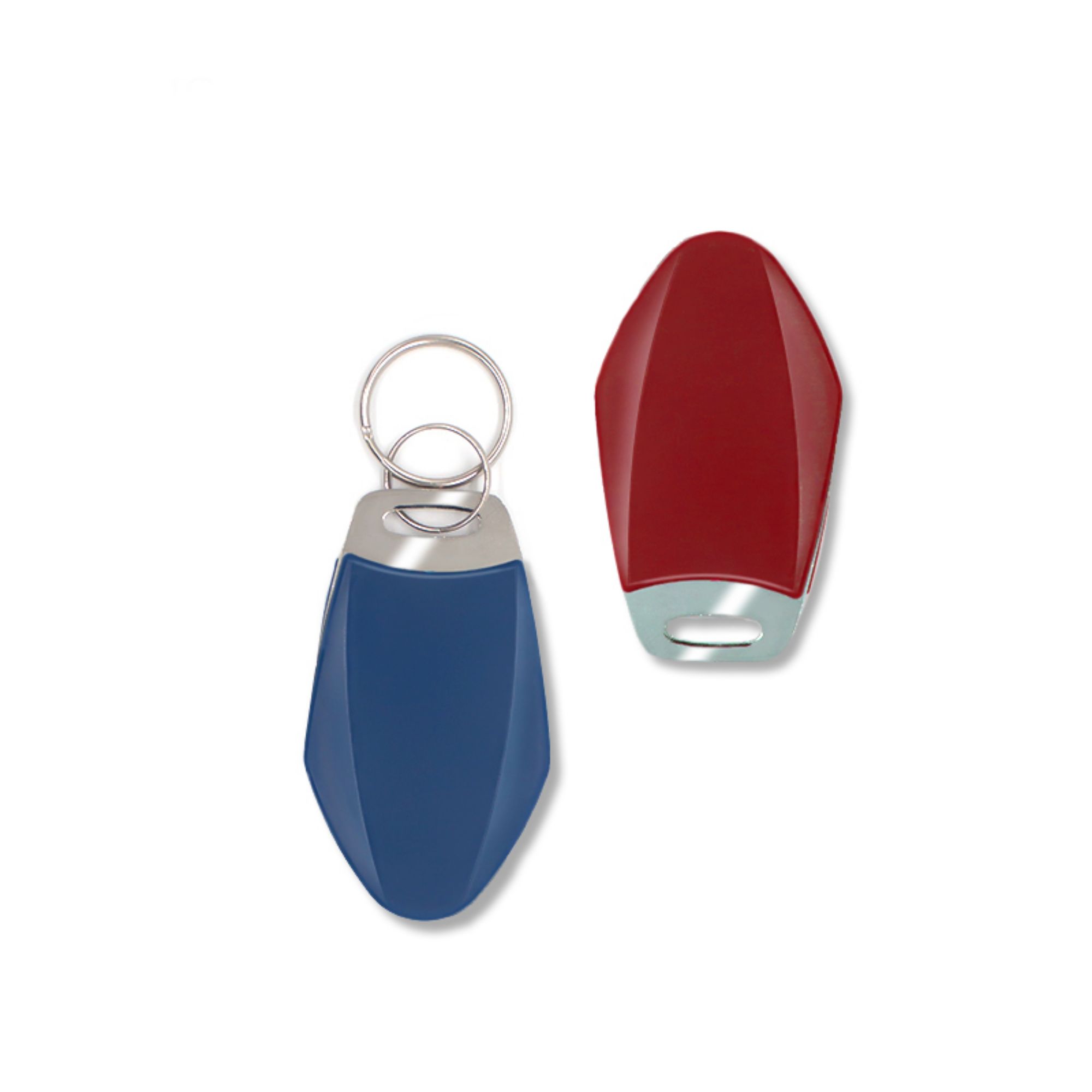
| Car-key style | A longer, tapered body with a chrome cap and a sliding ring, closer to a vehicle key than a tag. | Premium guest fobs and residential buildings, where the credential is meant to feel like a key rather than a badge. |
Specification
| PRODUCT | |
| Chip |
EM4305,F08,NTAG 213/215/216 MIFARE Classic 1K (S50) or MIFARE Classic 4K (S70). Other chips in this body on request, including DESFire EV2 |
| Radio and standard | 125Khz,13.56 MHz, ISO/IEC 14443A, 106 kbit/s |
| Memory | 1 KB in 16 sectors of 4 blocks, or 4 KB in 40 sectors. Each sector has two keys and its own access conditions |
| UID | 4-byte UID on MIFARE Classic. If your system keys on a 7-byte UID, that is a different chip — tell us before ordering |
| Function | Read and write. Sector data is protected by the two keys per sector, not by a modern cipher — see the section above |
| BODY | |
| Material | ABS, or epoxy potted. |
| Bodies | Teardrop, rounded rectangle and car-key style, as photographed |
| Colours | Blue, yellow, red, orange, black, grey, white, green, purple and pink, or matched to a Pantone reference |
| Ring | Metal split ring fitted as standard; the hole is moulded, not drilled |
| PERFORMANCE | |
| Read distance | 1 to 30 mm |
| Block access time | 1 to 3 ms per block, after authentication. The mutual authentication itself takes longer than one block read |
| Write endurance | More than 100,000 cycles. |
| Data retention | More than 10 years |
| ORDERING | |
| Marking | Silk-screen printing, laser engraving of a serial number, or chip encoding. All three can be combined |
| Payment | T/T, L/C, Western Union or PayPal |
| Minimum order | it varies by body, colour and whether the chip is encoded |
What a quotation needs. Body, colour, chip part number, memory, encoding format, print artwork, quantity, and whether the encoding is done by us or by your access-control installer. The last one is the question that delays orders most often: if the installer encodes on site, the fobs ship blank and the key plan is theirs.
Printing and encoding
| Process | What it does | What to send us |
| Silk-screen print | Logo, room number, department colour or a guest-facing graphic, on one or both sides. | Vector artwork, the Pantone references, and the print area limit for the body you chose. |
| Laser engraving | A serial number or an ID that does not wear off. Printed ink on a fob that lives in a pocket lasts a year or two; engraved text lasts the life of the part. | The numbering rule and the font size you need, and whether to start from a specific number. |
| Chip encoding | The sector data and keys written at the factory, so the fobs arrive ready to enrol. | Your key plan: which sectors, which keys, what data in each block. If the installer holds the keys, say so — then the fobs ship blank. |
| UID list | A file mapping each printed or engraved number to the UID of the fob it belongs to. | Whether you want it as CSV, and which column your access system imports. |
Where it fits
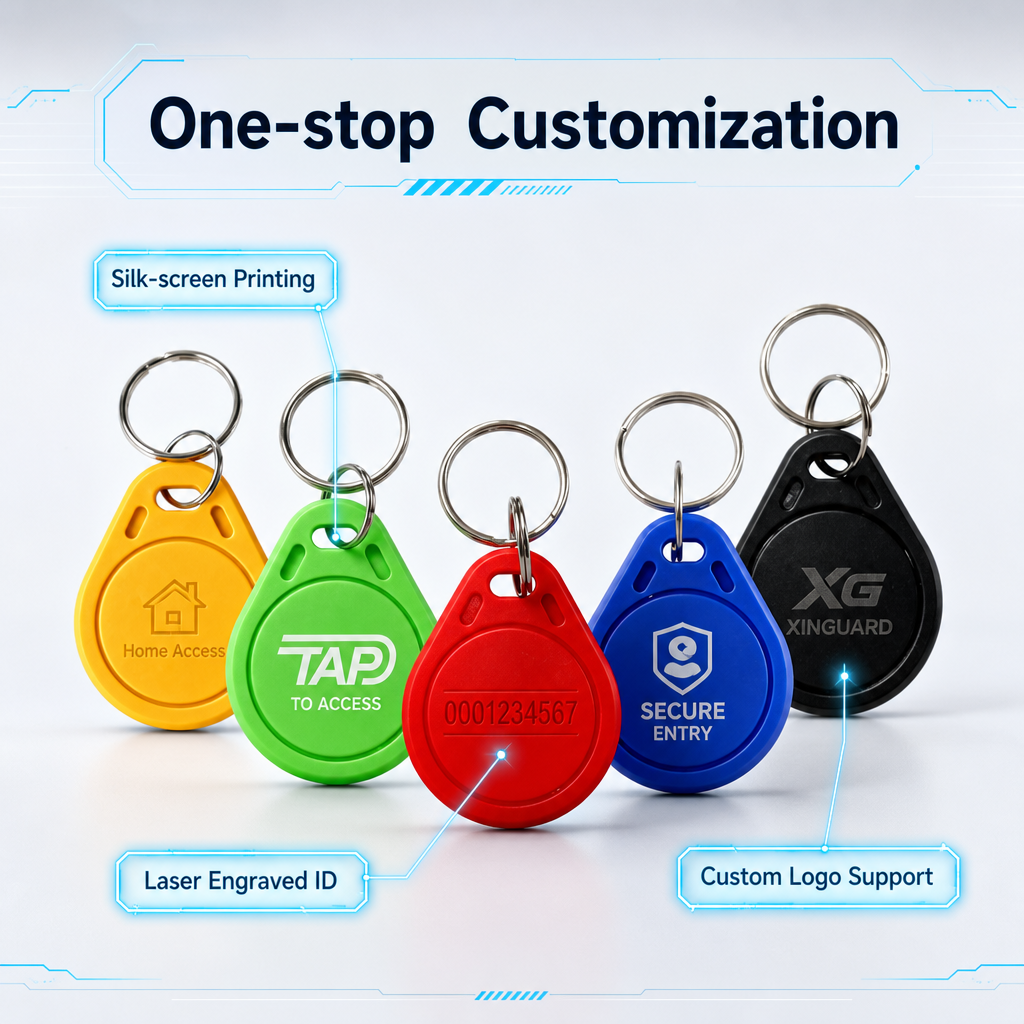
A fob survives a pocket, a key ring, a swimming pool bag and a washing machine better than a card does. That, not the chip, is usually the reason it was specified.
| Setting | Why a fob | Check first |
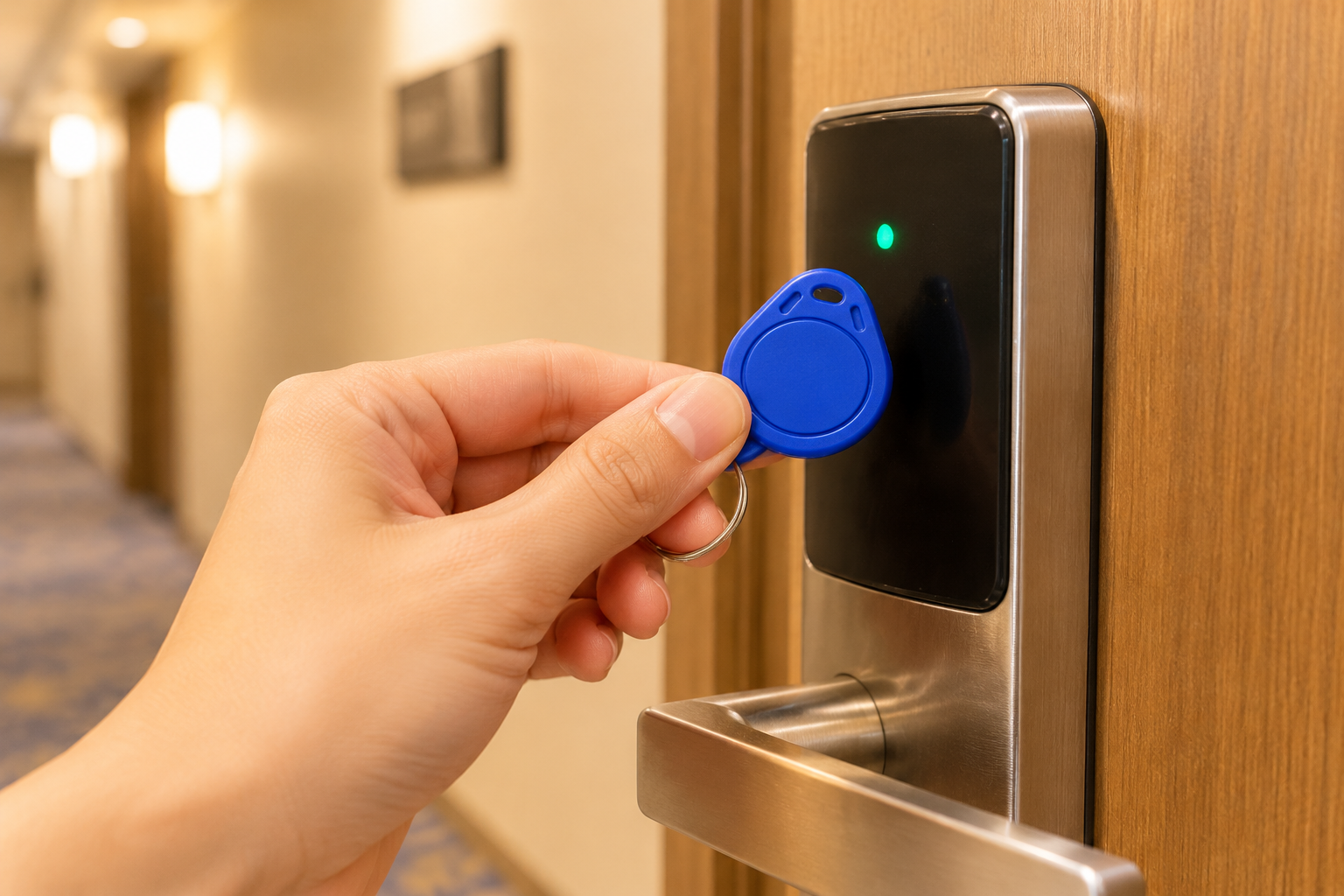
| Hotel and resort room locks | Guests carry it with the room key, it survives a beach bag, and the colour can mark the room grade. | Which chip the lock system uses. Most installed hotel locks are Classic or a Classic-compatible part; newer ones are DESFire. Getting this wrong is a whole order returned. |
| Gym, pool and locker access | Worn on a wrist or in a pocket, and cheap enough to replace without a conversation. | Whether the lockers read the UID only or use sector data. UID-only systems are the easiest to migrate and the easiest to clone. |
| Apartment and residential buildings | Handed over at completion as a physical key, which is what residents expect. | Whether the building will be re-keyed. With Classic, a lost fob cannot be revoked without changing the keys on every reader. |
| Office and co-working access | Attaches to an existing badge lanyard or a key ring, so staff carry one thing instead of two. | If the site has any compliance requirement, Classic will fail an audit. Use DESFire EV2 for anything with a security policy. |
| Time attendance and canteen | Tapped on a terminal at the door, dozens of times a day, for years. | The read distance on the terminal. The published 1 to 30 mm is conservative; test one fob on the actual terminal before ordering thousands. |
In use
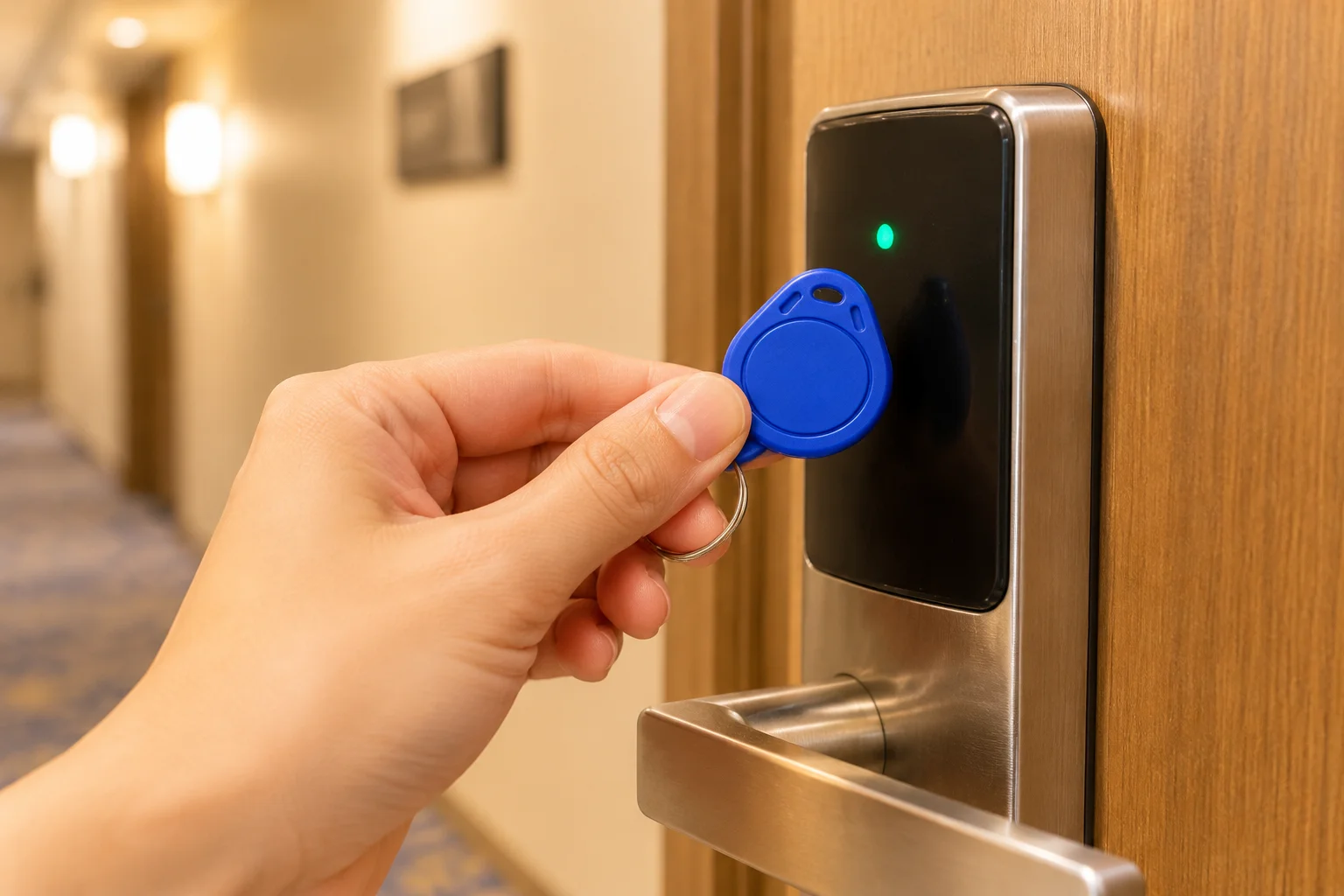
The hotel case, and the one that matters commercially: a guest carries it with the room key, loses it, and the hotel orders a hundred more. This is a replacement market, and it runs on compatibility rather than on security.
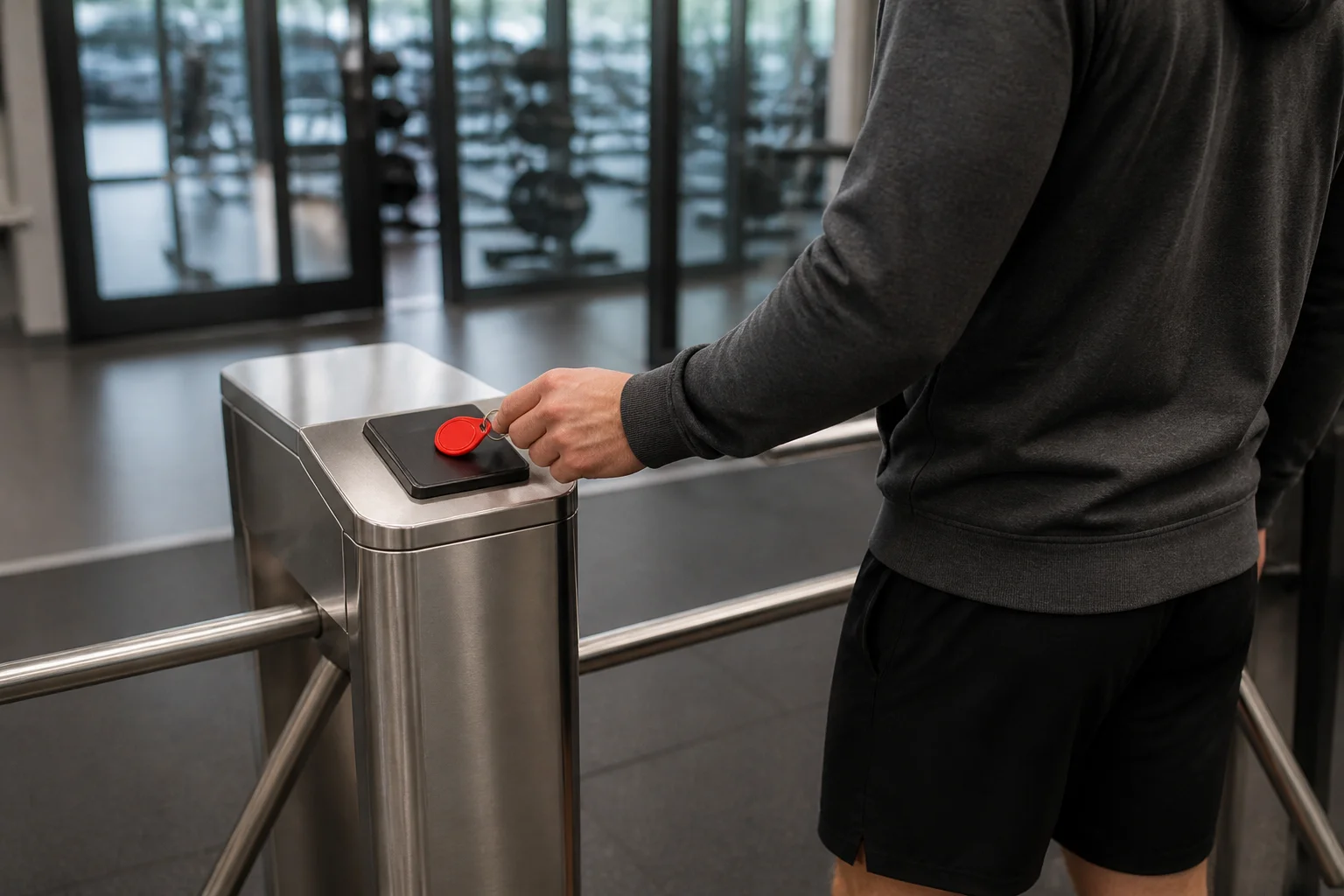
The gym and leisure case: high turnover, low value per unit, and a fob that survives a locker, a pool bag and a washing machine where a card would delaminate.
Questions we are asked
| Question | Answer |
| Is MIFARE Classic secure? | No. Crypto1 was broken in 2008 and the attacks are now cheap: a handheld tool and a laptop will recover a sector key in minutes and clone a complete fob. That does not make it a bad product — it makes it the wrong product for a new installation with a security policy. For new access control we would quote DESFire EV2 in the same body. |
| Will this fob work with my existing hotel or office system? | Almost certainly yes, if the system is MIFARE Classic. It is the most widely deployed 13.56 MHz credential there is. The check is the chip, not the fob: ask your installer which chip the locks read, and if the answer is DESFire or a CPU card, this is not the part — tell us and we will quote the right one. |
| 1K or 4K — which do I need? | 1 KB is 16 sectors and 4 KB is 40. Most access systems read only the UID, or one sector, so 1 KB is both sufficient and cheaper. Choose 4K when the system stores more than a credential — a purse, a canteen balance, a booking record. |
| Can I read it with a phone? | On Android, with an app that supports MIFARE Classic, yes. On an iPhone, no: iOS supports MIFARE Ultralight and DESFire through CoreNFC, but not MIFARE Classic. The name “NFC key fob” is used loosely in the trade; if tapping with a phone is a requirement, choose NTAG213 in this body instead. |
| Can you print our logo and encode the chip? | Yes to both, and they are two separate jobs. Printing puts your artwork on the outside; encoding writes your key plan into the sectors. The number printed on a fob has no relationship to what is inside it unless you ask us to match them, which we do as standard when you send a numbering rule. |
The rest of the range. The wider key fob selection, including 125 kHz and NFC versions, is on the RFID key fob page. If a card rather than a fob suits the system, see RFID cards; for pool and leisure access, RFID wristbands.
Copyright © ©Copyright 2024 Greatest IoT Technology Co., Ltd all rights reserved - Privacy policy