RFID Wet Inlay

Home >  Products >  RFID TAG >  RFID Wet Inlay
All Categories

RFID TAG
RFID Animal Tag
RFID Laundry Tag
RFID READER & PDA
RFID Wristband
RFID CARD
RFID Antenna
RFID Printer

RFID Wet Inlay

Direct answer

What are RFID wet inlays?

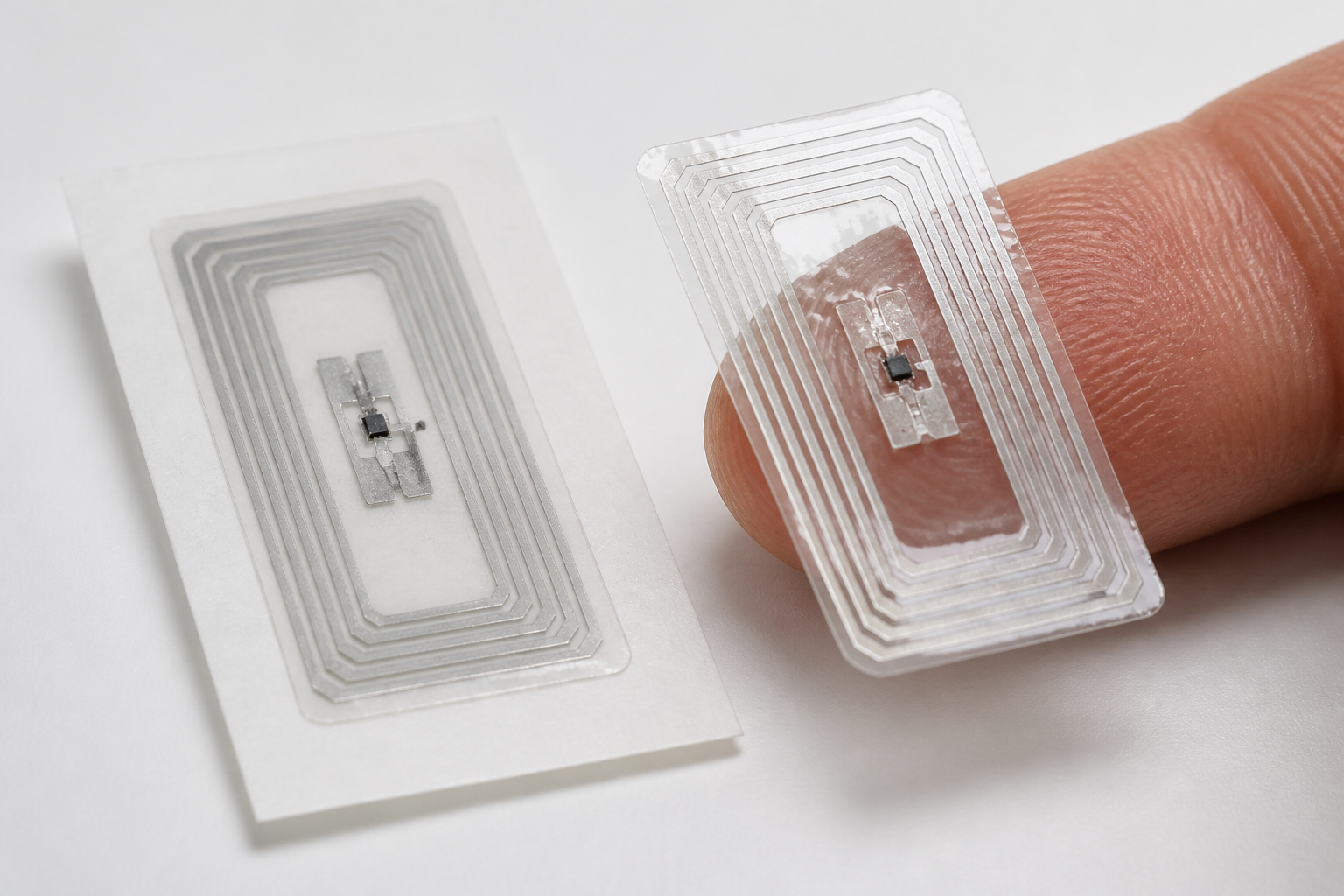
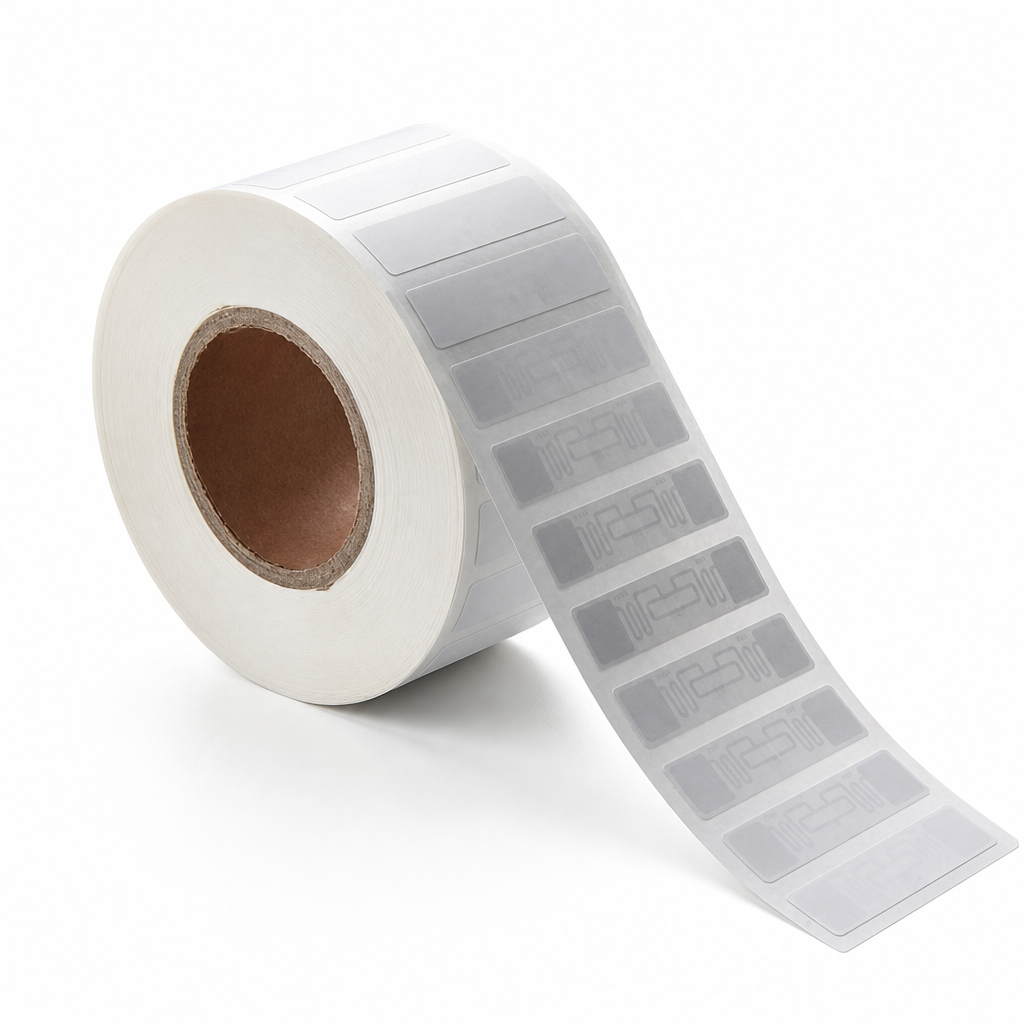
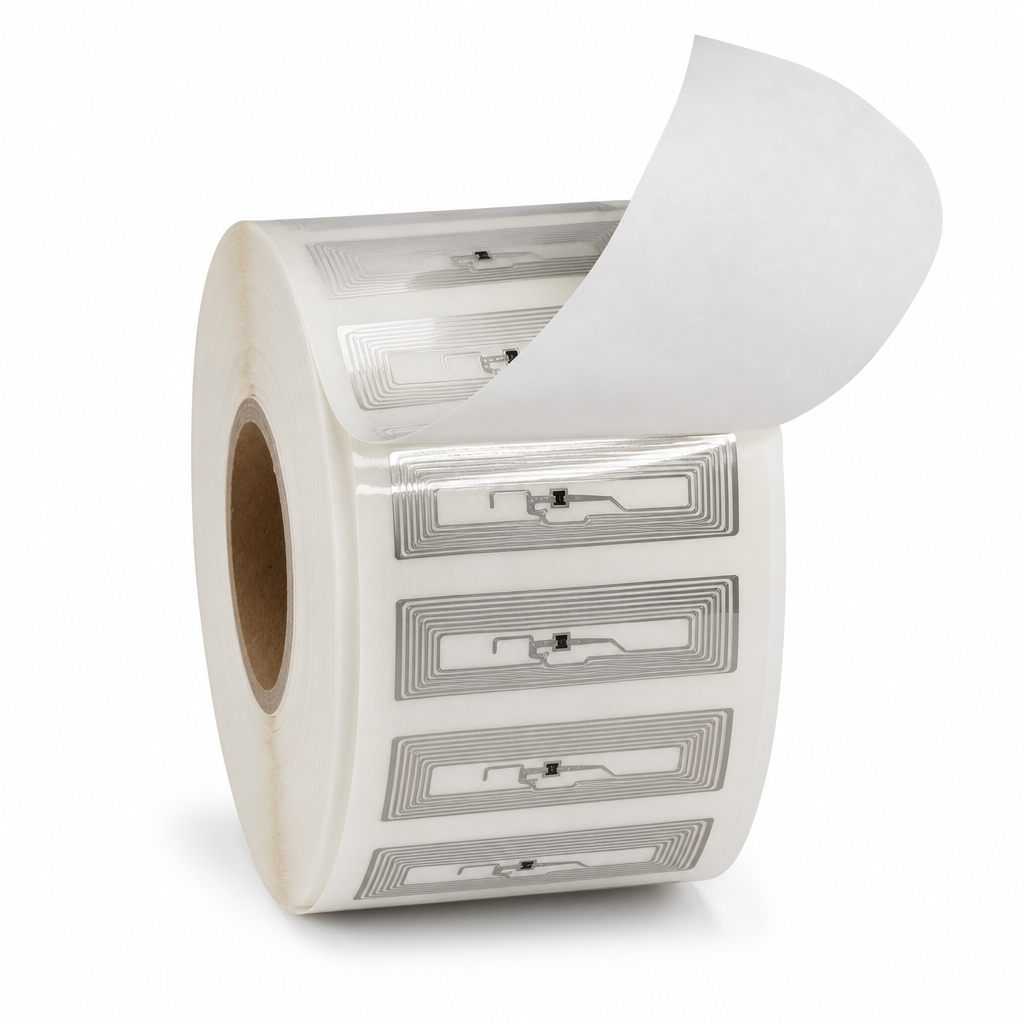
RFID wet inlays are UHF transponder inlays supplied with a pressure-sensitive adhesive layer and a release liner. The word "wet" refers only to the adhesive: peel the liner off and the inlay bonds to a surface as it is, with no lamination step.

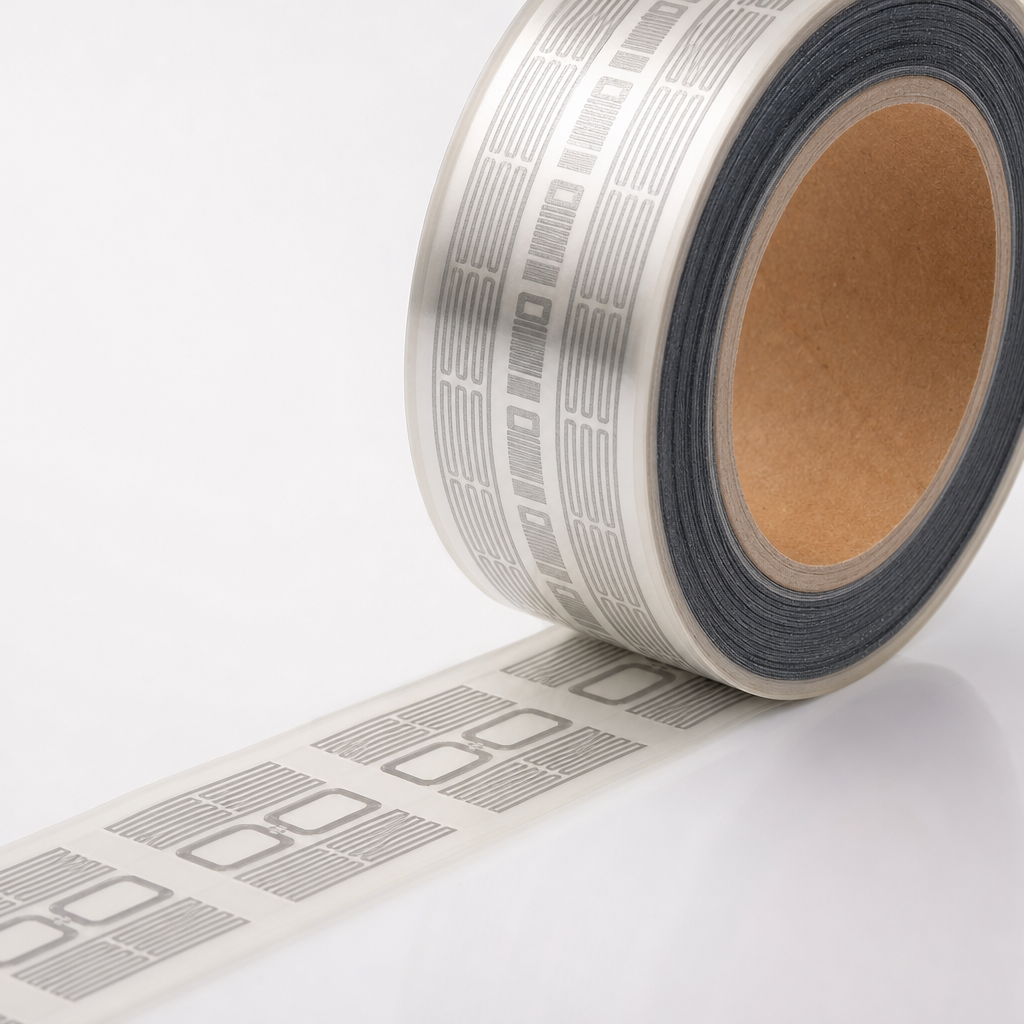
A dry inlay is the same chip-and-antenna construction on a PET carrier, without adhesive and without a liner. It is sold to converters who laminate their own face stock and adhesive before the inlay can be applied.

Specification at a glance

Construction Inlay + pressure-sensitive adhesive + release liner Protocol EPCglobal Class 1 Gen 2 · ISO/IEC 18000-6C (now numbered 18000-63)
Frequency 860–960 MHz — band fixed per market Liner Glassine release liner, white
Adhesive Permanent · removable · freezer grade
Supply form
Roll, multi-up (core size agreed at order)
Next step
Apply directly, or convert into printed labels Samples Free on request


Where this sits

Three stages between a chip and a label

The same transponder is sold at three levels of finishing. Buyers lose money by ordering one level and then paying someone else to reach the next.

img-mv50g5mq-db87a31c.png
Stage 1

Dry inlay

Chip, antenna and PET carrier only. No adhesive, no liner, no face stock.

image(af181ce201).png
This page
Stage 2

Wet inlay

Stage 1 plus pressure-sensitive adhesive and a release liner. Ready to apply the moment it is peeled.

img-mv50fhe1-5d9f0cfe.png
Stage 3

Finished label

Stage 2 plus a printable face stock — coated paper, PET or PP. Carries a barcode, text and the inlay on one face.


The usual question

Wet inlay or dry inlay?

Five things actually change the answer — and cost is only one of them.

Decision factor Wet inlay Dry inlay
Structure Inlay + pressure-sensitive adhesive + release liner Inlay only, on a PET carrier
Integration Peel and apply by hand or by applicator. No laminating line needed. Requires a converting or laminating process before use
Labour Low — one step at the point of application High — an extra production stage to plan and staff
Cost structure Higher unit price (adhesive and liner included), lower labour cost Lower unit price, higher labour and tooling cost
Best fit Fast rollouts, large tagging volumes, finished labels, contractors who apply on site Own converting line, embedding inside a material, very high volumes
Environment Stable on damp or fluctuating surfaces once the adhesive grade is matched Depends entirely on the face stock and adhesive added later


Where they are used

Three ways wet inlays get deployed

img-mvtbnusa-f8cbe865.png
Applied direct

Cartons and packaging

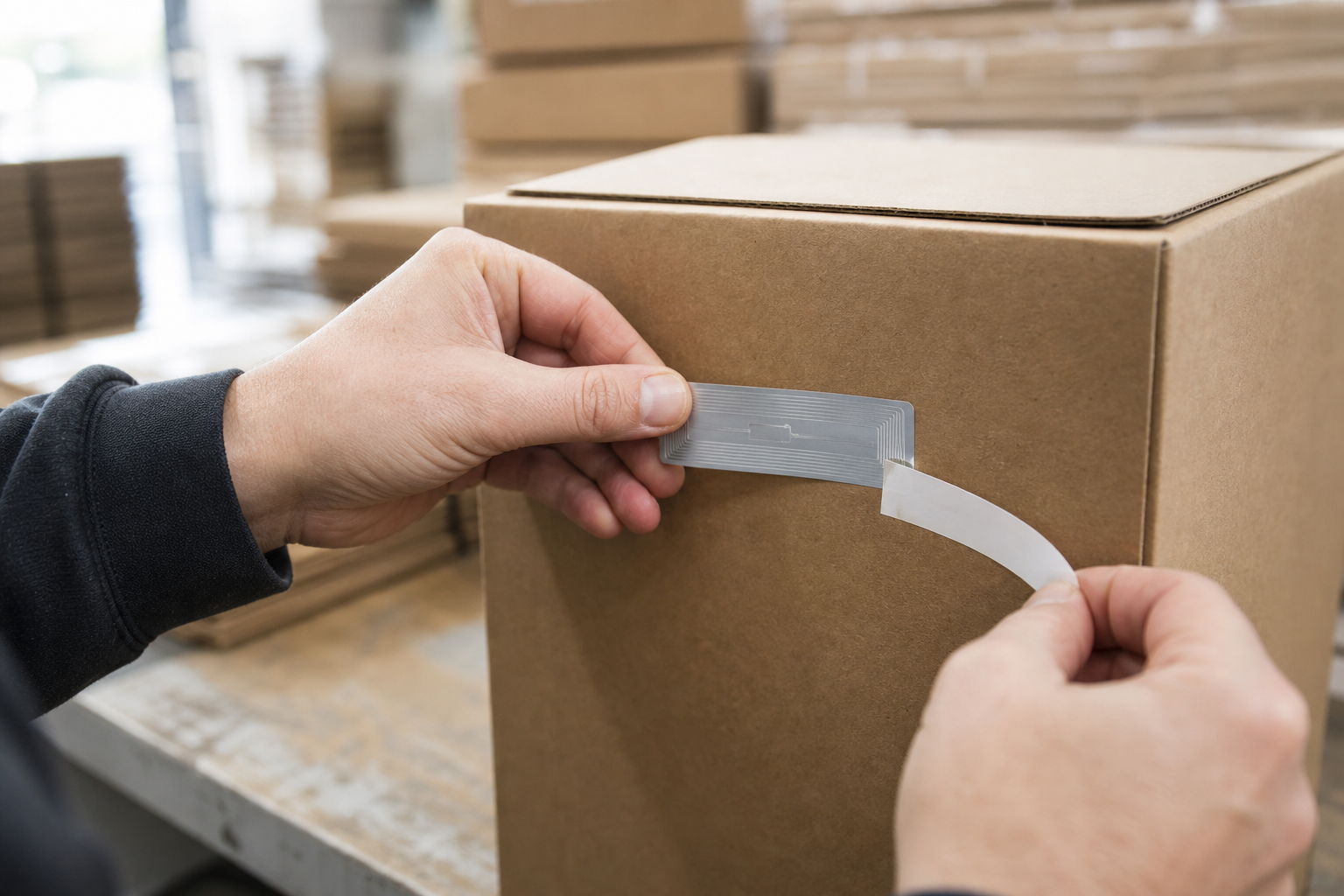
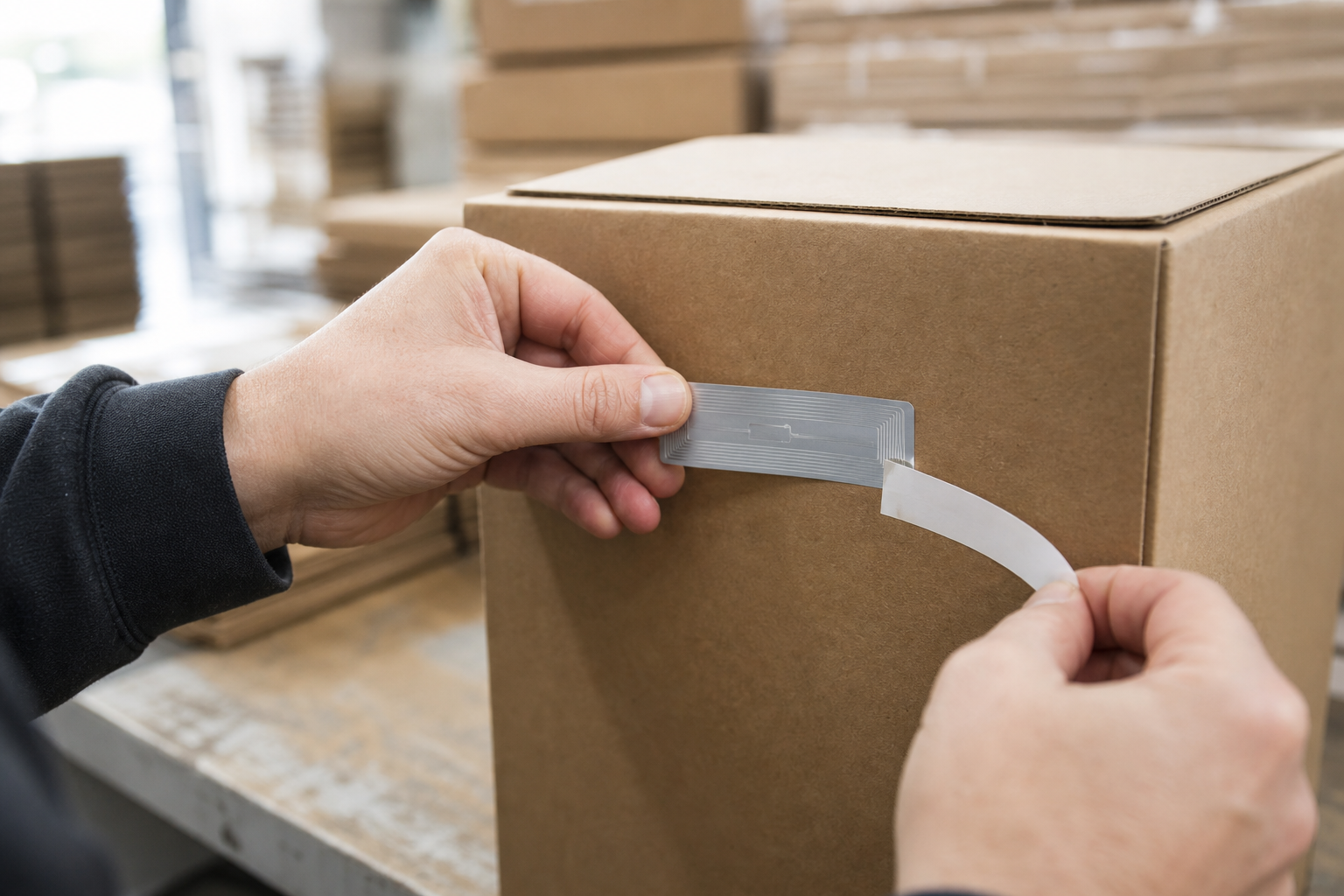
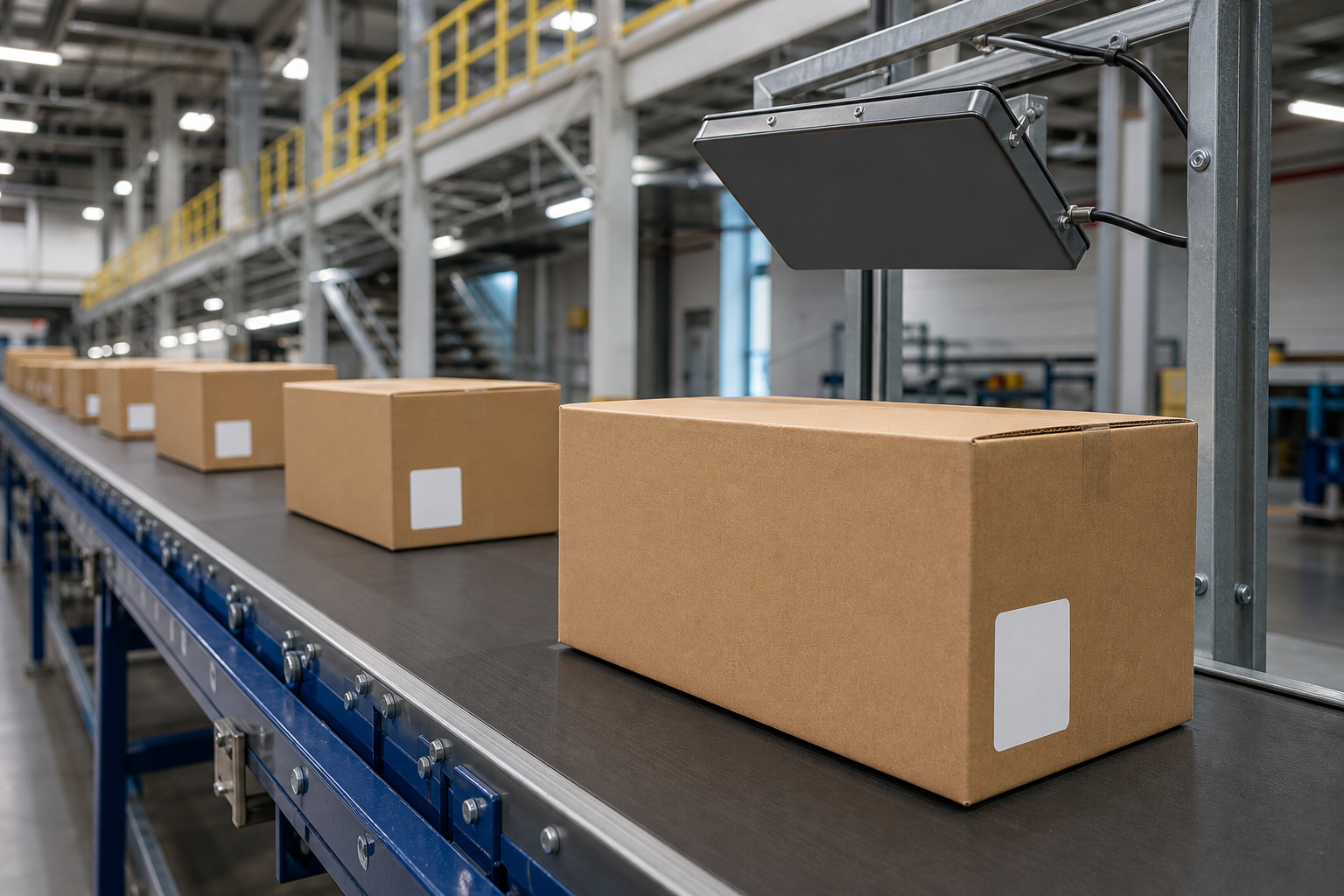
Peeled and pressed onto a carton face at packing. No printer, no applicator, no converting step — which is what makes a wet inlay useful for a rollout that has to start this week.

img-mvta0k2w-0d187864.png
Converted

Conveyor and gate reads

Converted into a printed label with a barcode on the same face, then read by a fixed antenna as cartons pass. Several cartons can be read in one pass, with no line of sight required.

img-mvta050l-859ec4ff.png
Item level

Apparel and retail

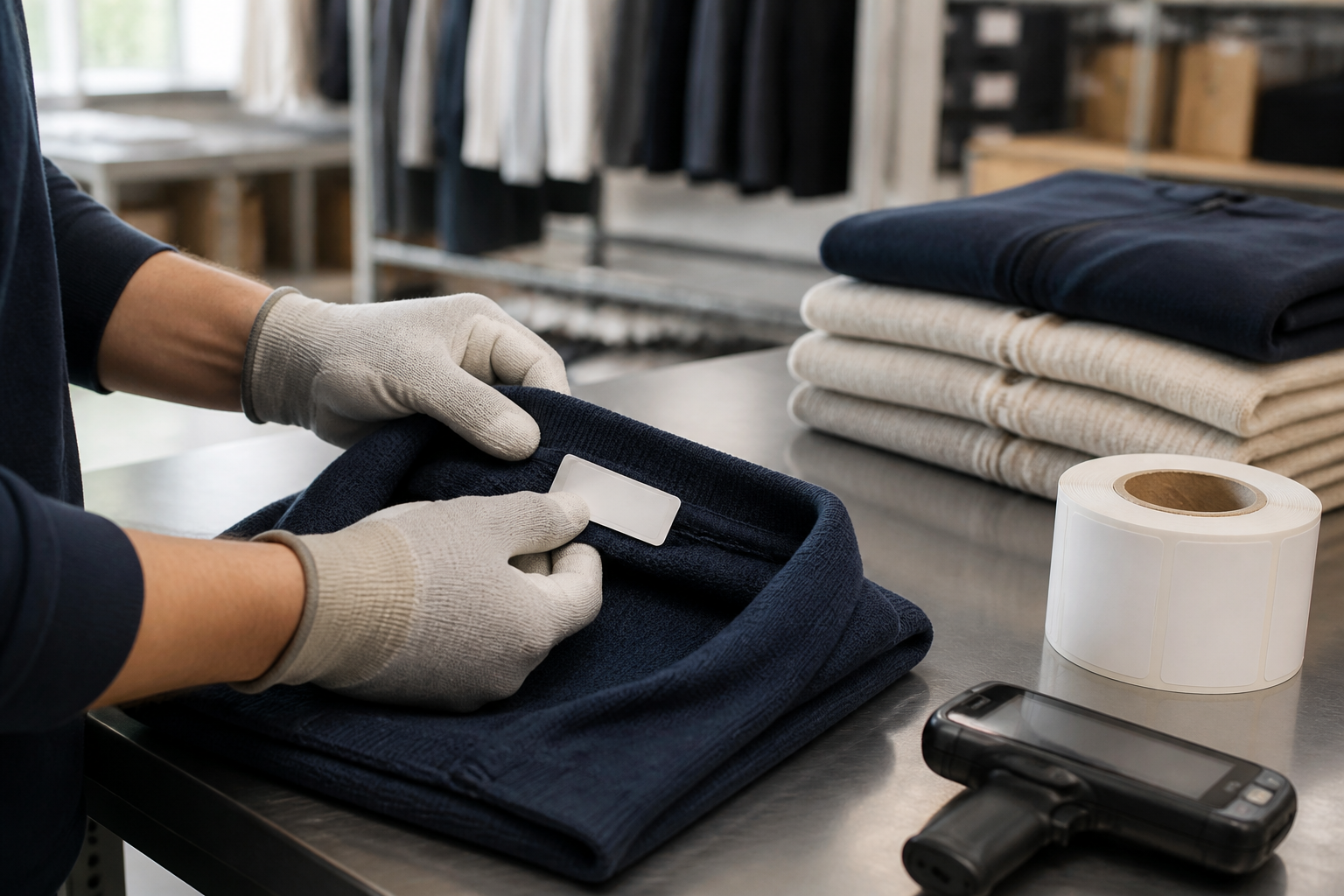
Small inlays on folded or hanging garments, where the tag has to sit flat against fabric and stay readable through a full stock count.


Working with us

Three things we do before the container ships

01

Samples against your reader

Free samples cut to the inlay you are specifying, so you can measure them on your own reader and surface before committing to a volume.

02

Encoding and verification

EPC written to your data list, locked where required, and verified before packing. Send the scheme — SGTIN-96 or your own — with the order.

03

Inlay or finished label

We can ship the wet inlay alone or convert it into a printed label in the same order, so you are not moving material between two suppliers.


Technical parameters

Full specification

Construction and protocol are fixed for the wet inlay format. Inlay size, chip and read performance are set by the specific inlay you order, and are confirmed on the datasheet before production.

Construction

Build-up Inlay (PET carrier + etched aluminium antenna + chip) + pressure-sensitive adhesive + release liner
Liner Glassine release liner, whiteGrammage confirmed per order
Adhesive Permanent acrylic as standard; removable and freezer grade on request
Supply form Roll, multi-upCore diameter and repeat agreed at order

Radio and protocol

Protocol EPCglobal Class 1 Gen 2 / ISO IEC 18000-6C (ISO IEC 18000-63)
Frequency 860–960 MHz — operating band fixed for the destination market
Type Passive, read / write
Read range Set by the inlay designMeasured with your reader and surface, not assumed

Chip and services

Chip Per order — confirmed on the datasheetSend the memory and sensitivity you need and we match the silicon
Encoding EPC write, lock and verify available
Conversion Can be supplied as finished labels with paper, PET or PP face stock
Samples Free samples on request

Questions buyers ask

Frequently asked questions

What does "wet" actually mean?
Only that pressure-sensitive adhesive and a release liner are already applied. The chip and antenna are identical to the dry version of the same inlay — nothing about the RF design changes.
Can I print on a wet inlay?
Not directly. A wet inlay has no printable face stock, so there is nothing for a printer to lay ink onto. Convert it into a label first, or order the finished label from us.
Which protocol and frequency?
EPCglobal Class 1 Gen 2 / ISO IEC 18000-6C (now numbered ISO IEC 18000-63), in the UHF band 860–960 MHz. The operating slice is fixed for the market where the tags will be read.
Does the adhesive reduce read range?
No. The adhesive and liner are peeled away, so neither sits in the RF path. What can cost you range is the face stock added during conversion — re-measure after lamination rather than reusing the bare inlay figure.
Will it stick to metal or to liquid containers?
A standard wet inlay will not — metal and liquid detune the antenna. Those surfaces need an on-metal or thick-substrate inlay. State the surface at the quotation stage rather than after delivery.
Can it survive cold storage?
Yes, with a freezer-grade adhesive. Tell us the service temperature and the dwell time on the surface, and we match the adhesive grade rather than shipping the standard acrylic.
Do you supply in roll form?
Yes. Rolls with the core size and multi-up layout agreed at order. Sheet supply is possible on request for pilot runs.
Can you encode the EPC before shipping?
Yes. Send the data list and the EPC scheme (SGTIN-96 or your own), and we encode, lock where required, and verify before packing.

Online Inquiry

If you have any suggestions, please contact us

Contact Us

Related Search

Copyright © ©Copyright 2024 Greatest IoT Technology Co., Ltd all rights reserved  -  Privacy policy