

Home > Products > RFID TAG > RFID Dustbin Tag
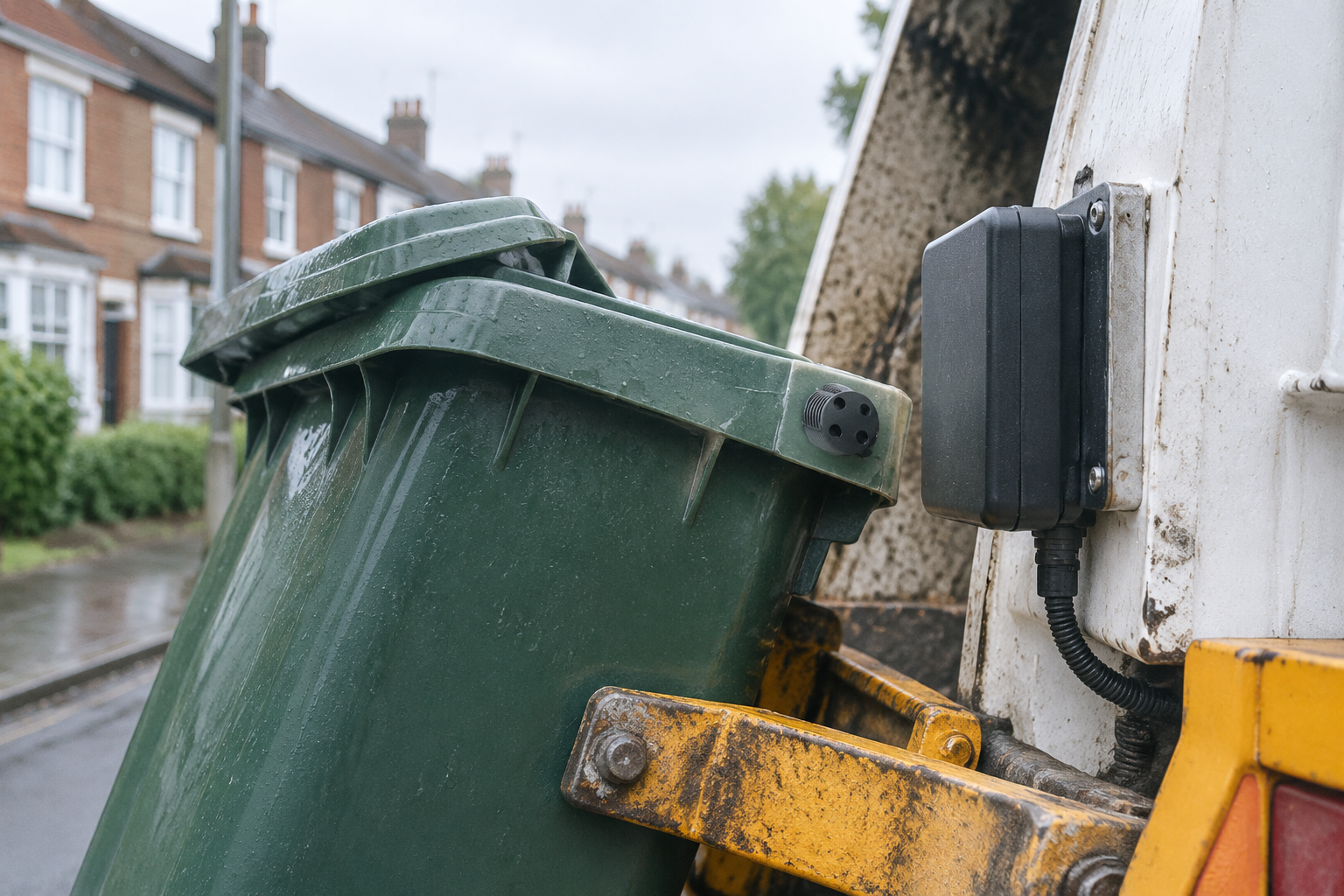
Waste container identification
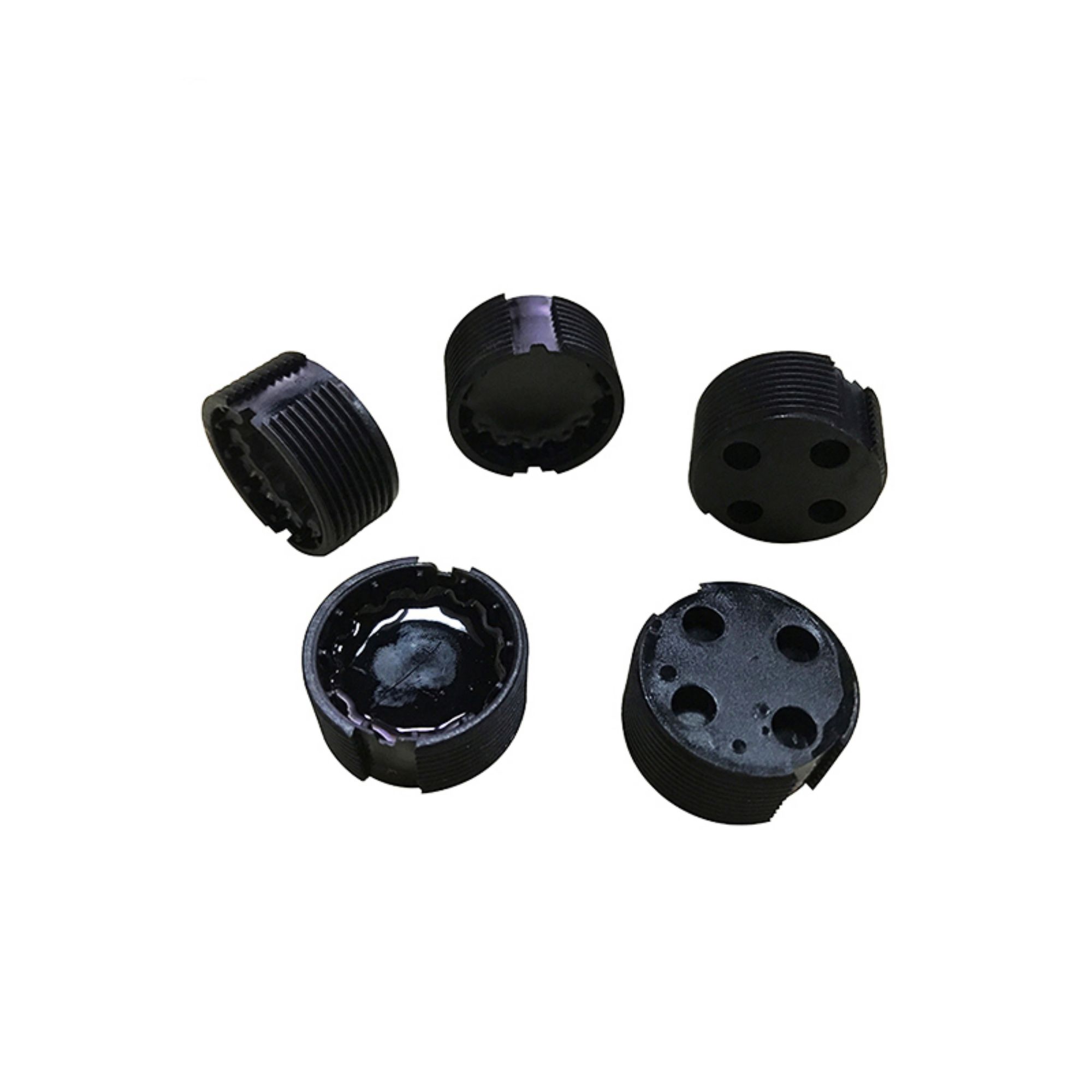
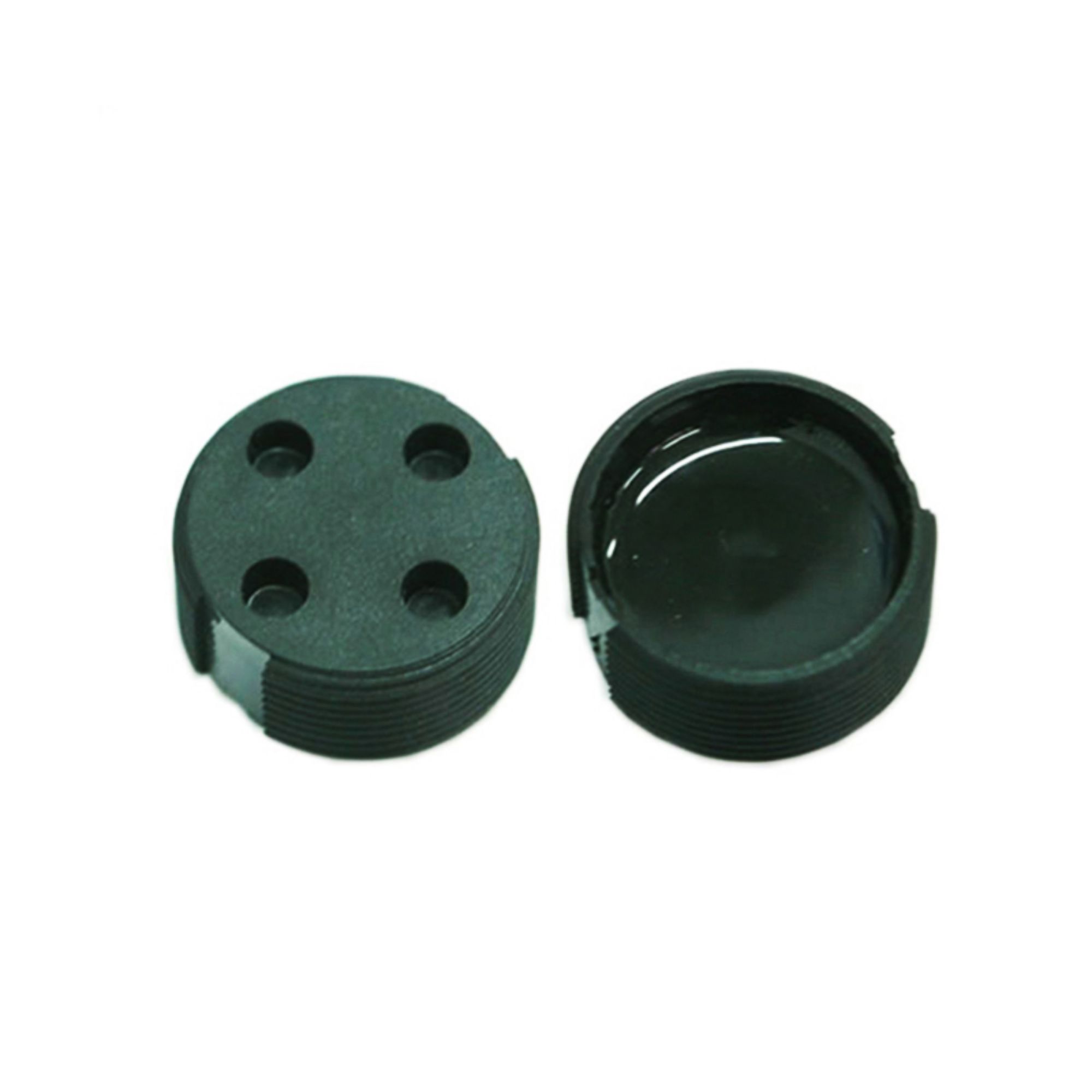
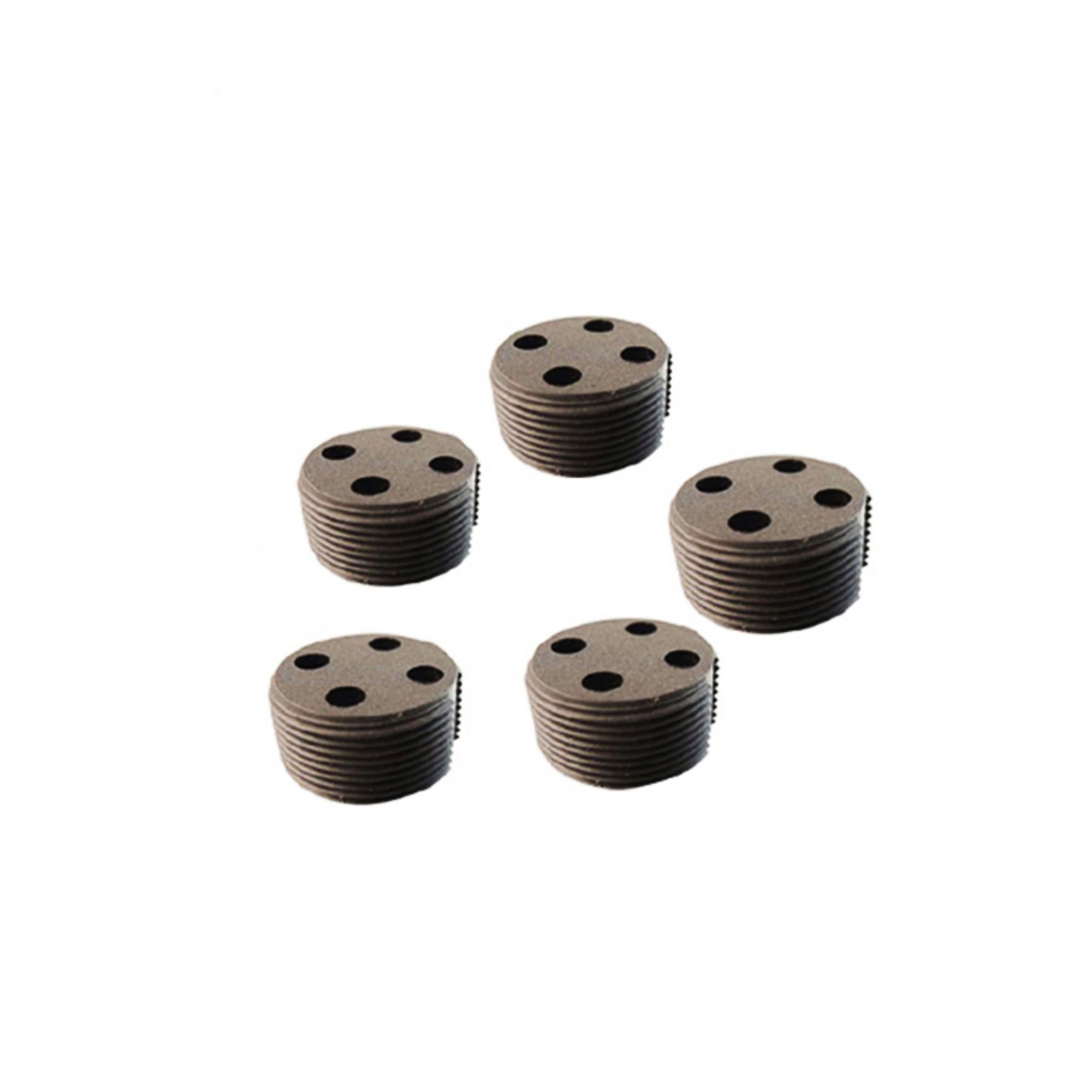
A 30 mm threaded disc that screws into the nest moulded into a wheelie bin. The head has four holes and needs a spanner, so the tag cannot be moved from one bin to another.
Everything a waste operation does with these starts with one property: the tag has to stay with its bin for ten years, through tipping, washing, frost and August. That is a mechanical problem before it is a radio problem, and it is why the body is threaded plastic rather than a sticker. The radio choice comes second, and the standard your municipality names comes third.
| 30 × 15 mmthreaded disc | UHF or LF860-960 MHz, or 134.2 kHz | 4-hole headspanner fixing, not adhesive |
Choosing the radio
In waste collection the answer is usually decided by the truck, not by the tag: the fleet already has antennas fitted, and the tag has to match them.
| Variant | Air interface | Why a fleet uses it | Ask before you order |
| LF 134.2 kHz |
ISO 11784 / 11785 FDX-B or HDX |
Short range and very tolerant of mud, ice and a dirty bin. It is the long-standing choice for truck-mounted reader pads that the bin passes close to, and the variant most often named in European specifications. | Which of FDX-B or HDX your readers expect. They are different transmission schemes and one reader may not do both well. |
| UHF 860-960 MHz |
ISO/IEC 18000-6C EPC Class 1 Gen 2 |
Reads further and faster, and can read several bins at once. Suits yard portals, depot gates and newer fleets where the antenna is a metre or two away rather than against the bin. | The UHF band differs by region: 865-868 in the EU, 902-928 in North America, and others elsewhere. The tag has to be the version for your band. |
| HF 13.56 MHz |
ISO 15693 or ISO 14443A | Rarely the right answer for a bin. It appears where a site already standardises on HF for other assets and wants one credential type, which is a procurement decision rather than a technical one. | Whether the range genuinely reaches your antenna. HF at this size is a few centimetres at best. |
The tag does not decide the system; the reader on the truck does. If you are replacing tags in an existing fleet, the safest question to answer first is “what is on the truck now” — and the second is whether the new tag has to carry the same number as the old one.
The standards behind the word “compatible”
| Reference | What it covers | What it means for this tag |
| EN 14803 | Waste management — identification and/or determination of the quantity of waste. It sets out how a container is identified by radio and what data travels with it, so that one municipality’s readers can read another’s bins. | This is the reference a European buyer will name in a specification. Ask which of the three variants has been tested against it rather than assuming that a tag sold for bins is compliant by default. |
| DIN 30745 | The German standard for waste containers, which is also what fixes the geometry of the moulded nest that these tags screw into. A “DIN 30745 nest” is a known pocket of a known size. | This is the compatibility that matters most in practice: 30 mm discs with this thread fit the nests on the great majority of wheelie bins in Europe. Ask us to confirm against the bin model you use before a large order. |
| ISO 11784 / 11785 | The animal-identification standard, reused here: it defines the FDX-B and HDX schemes that the 134.2 kHz variants of this tag use. | Relevant only to the LF version. If your reader expects FDX-B, say so; HDX and FDX-B are not interchangeable. |
| ISO/IEC 18000-6C | The UHF air interface, also known as EPC Class 1 Gen 2. | Relevant only to the UHF version. It says nothing about the frequency band, which is a regional regulation rather than a standard. |
Fitting it
A bin tag fails for mechanical reasons far more often than electrical ones. It is removed by someone who wants the bin identified as a different bin, it is scraped off by the lifting gear, or it fills with water because the seal was never designed for a pressure washer. The threaded body and the spanner head answer the first and third of those.
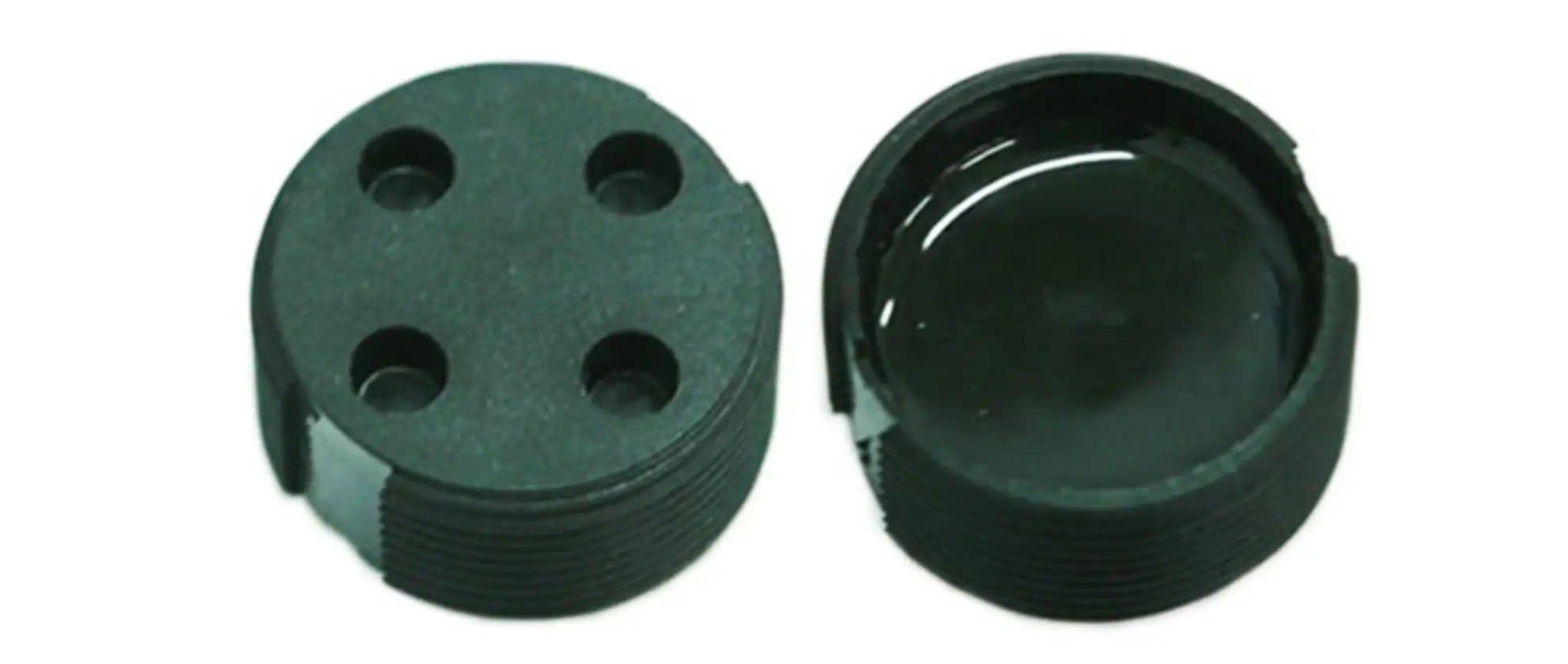
The cavity. The chip and antenna sit inside the threaded body, and the face is closed over them — which is what allows a claimed resistance to water, salt mist, mineral oil and petroleum.
| Step | What happens | What to watch |
| Find the nest | Most wheelie bins and many commercial containers carry a moulded pocket at the front lip or under the lid rim, sized for a DIN 30745 type tag. | Not every bin has one. Older and non-European bins may need a bracket or an adhesive version instead, and that is a different part. |
| Check the thread | The tag screws in by hand until the face sits flush with the moulding. | Before placing an order, please confirm the size to avoid any mismatch with the box. |
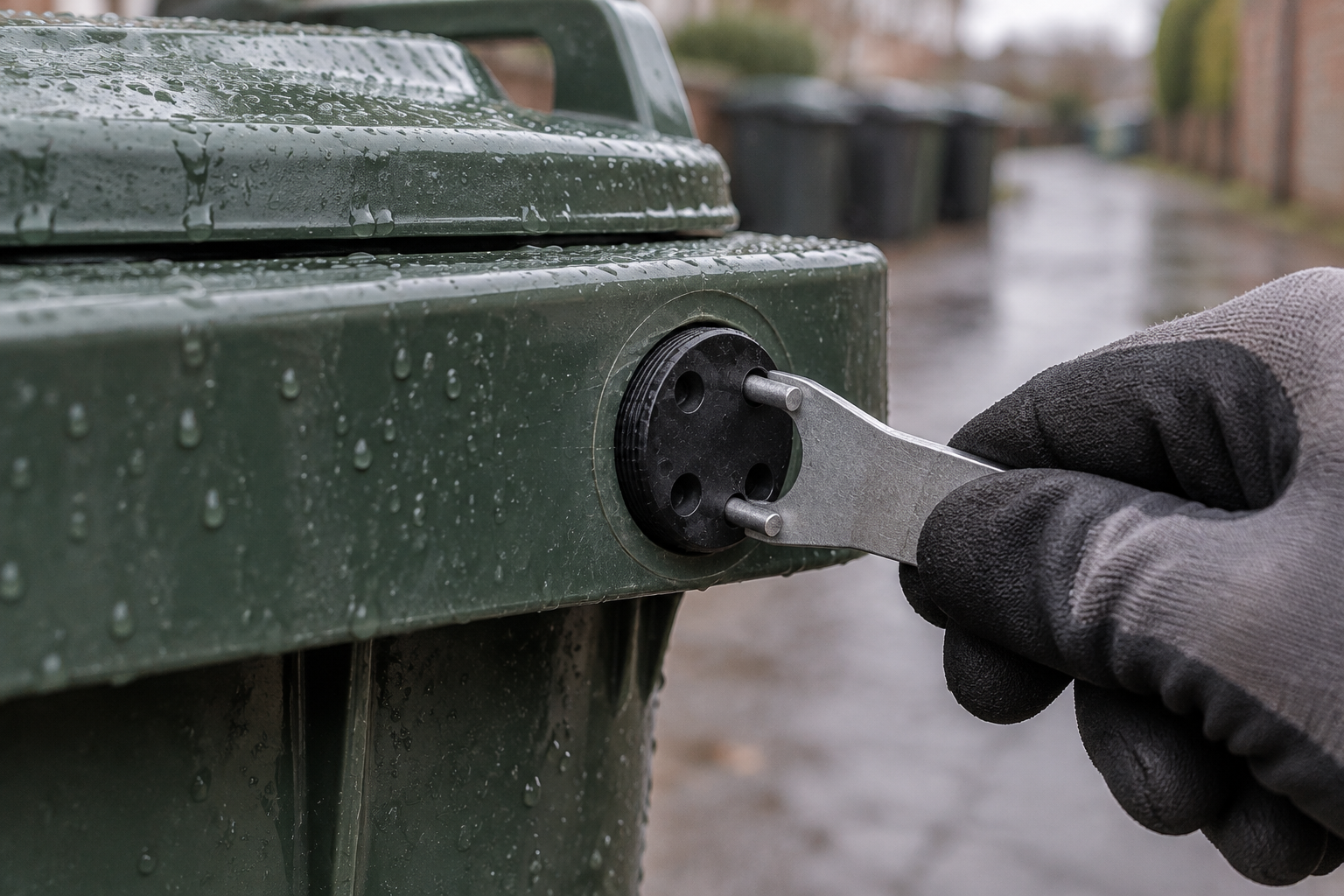
| Tighten with the spanner | The four holes in the face take a spanner, so the last turn needs the tool rather than fingers. | This is the tamper resistance: it does not stop a determined thief with the right spanner, it stops the casual swap of a tag from one bin to another, which is what actually happens. |
| Record the number | The tag carries an ID that is written to the bin’s record in the collection system, usually as the bin is put into service. | If you are replacing existing tags, decide whether the new tag keeps the old number. Changing numbers mid-contract invalidates historical weight data. |
| Seal or fill | Some operators fill the head with a compound or fit a cap after tightening. | Ask whether that is recommended for this body, and whether it voids the water resistance claim if it is not done. |
Why the tag exists
The truck reads the tag, the bin is weighed, and the customer is billed for what was collected.
| Link | What happens | What can break it |
| 1. The bin is lifted | The tag passes the reader mounted on the lifting arm or beside the hopper. | A tag that has been swapped to another bin, or one that has fallen out of the nest. Both produce a valid read against the wrong container. |
| 2. The tag is read | The reader identifies the container before or during the tip. | A dirty or iced-over tag, a reader that has drifted, or the wrong variant for the truck that arrived that day. |
| 3. The load is weighed | Onboard weighing records the mass lifted, against that container. | Calibration drift, and a mixed load — two bins tipped together produce one weight and two tags. |
| 4. The record is matched | Container ID, time, weight and route are joined in the collection system. | A missing read leaves a weight with no owner. Most disputes in pay-by-weight schemes start here. |
| 5. The invoice is issued | The customer is billed on weight, lifts, or both, depending on the contract. | Nothing in the tag. But if any of the four links above is loose, the dispute lands on the tag supplier anyway. |
What this means for a quotation. Ask the customer what the tag has to carry: a unique ID only, or an ID plus data that the billing system reads from memory. That single question decides between a plain chip and one with user memory, and it is the reason two apparently identical bin tags can cost different amounts.
Specification
| IDENTIFICATION | |
| Model | WB-01 |
| Size | 30 mm diameter × 15 mm, threaded body |
| Fixing | External thread into a moulded nest, with a four-hole spanner head. Not an adhesive tag |
| Marking | ID number printing, or text encoded into the chip |
| RADIO | |
| UHF version | 860-960 MHz, ISO/IEC 18000-6C (EPC Class 1 Gen 2). The band must be the one for your region: 865-868 in the EU, 902-928 in North America |
| LF version | 125 kHz or 134.2 kHz, ISO 11784 / 11785. Confirm whether your readers expect FDX-B or HDX |
| HF version | 13.56 MHz, ISO 15693 or ISO 14443A |
| Chips, LF | TK4100, EM4200, EM4305, T5577 and other 125 kHz parts |
| Chips, HF | FM11RF08, FM11RF32, and most 13.56 MHz parts |
| Chips, UHF | Alien H3, H4, Impinj Monza 4, 5 or 6 |
| MEMORY | |
| HF version | 1024-bit EEPROM as published. |
| UHF version | 512-bit user memory plus 96-bit EPC |
| LF version | Read-only ID on TK4100 and EM4200; the EM4305 and T5577 parts are writable. |
| ENVIRONMENT | |
| Chemical resistance | Water, salt mist, mineral oil and petroleum. |
| Tamper resistance | Four-hole spanner head. Effective against a casual swap between bins, not against someone who arrives with the tool |
| ORDERING | |
| Standards referenced | DIN 30745 nest compatibility, and EN 14803 for identification. |
Where it fits
| Setting | What the tag does there | Check first |
| Municipal kerbside collection | Identifies each household bin so lifting and weighing can be billed to the address, or so a participation record can be kept. | Whether the contract bills by weight, by lift, or not at all. A tag fitted for a scheme that was never implemented is money spent for nothing. |
| Commercial and industrial waste | Ties a container to a customer account, so a mixed load can be attributed and surcharged. | That the containers are plastic. Steel skips and compactors need the on-metal variant, which is a different part. |
| Recycling and organic waste | Records set-out and contamination events against the address, which is how behaviour-change schemes are measured. | Whether the collection system reads the tag or the operator scans a barcode. Many recycling schemes still do the latter. |
| Container rental and depots | Tracks which containers are out with which customer, and which are in the yard. | Whether a yard portal or a handheld is used, because that decides LF or UHF far more than the bin does. |
| Underground and shared containers | Identifies a shared container to the household that used it, usually through an access token rather than the bin tag. | That the tag is not expected to do the identification on its own. In shared-container schemes the user credential does that job and the bin tag only tracks the asset. |
In use
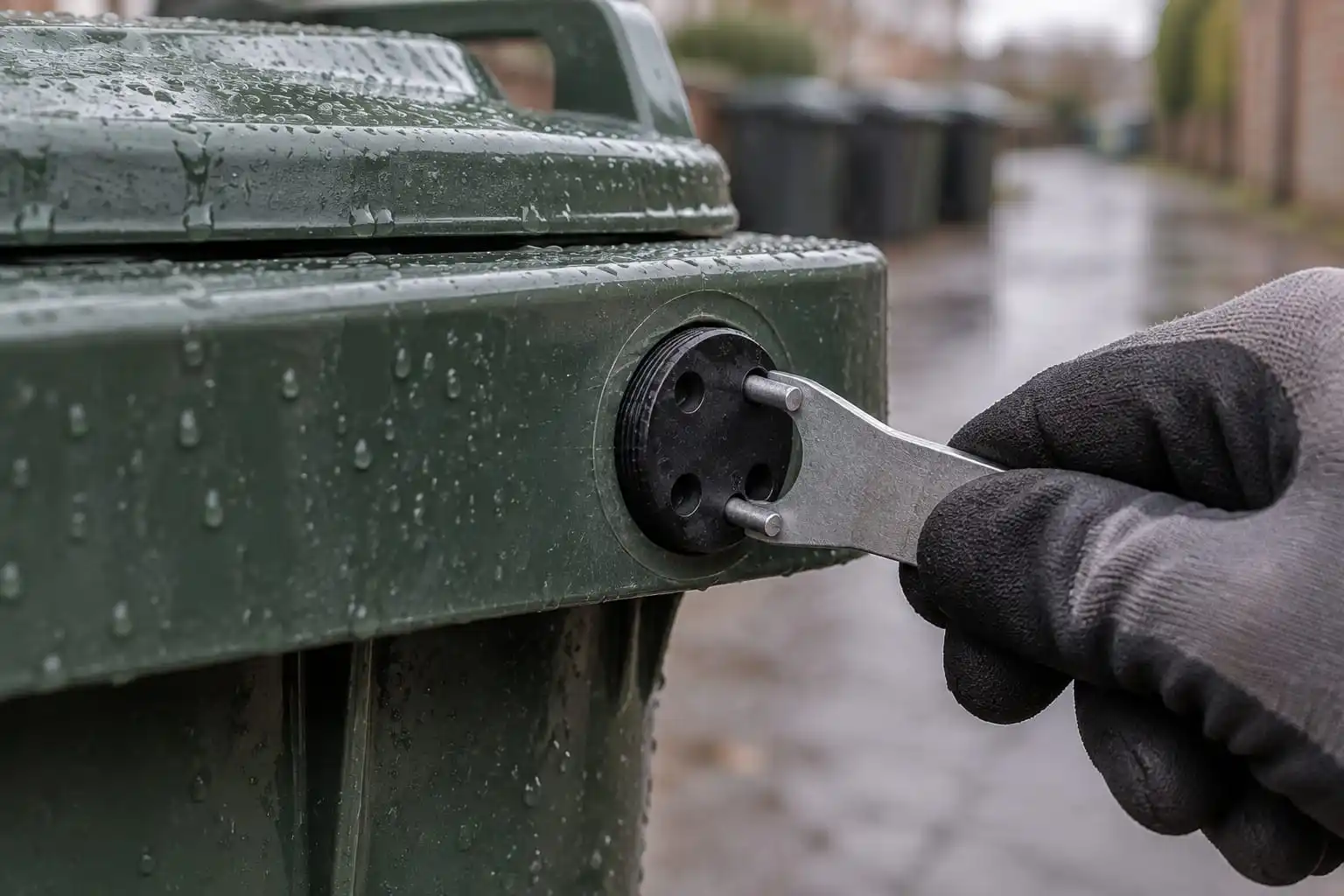
The nest, and the tool. The tag sits flush, which matters because anything standing proud gets caught by the lifting gear. The spanner is the tamper resistance: not proof against a determined thief, but proof against the swap that actually happens.
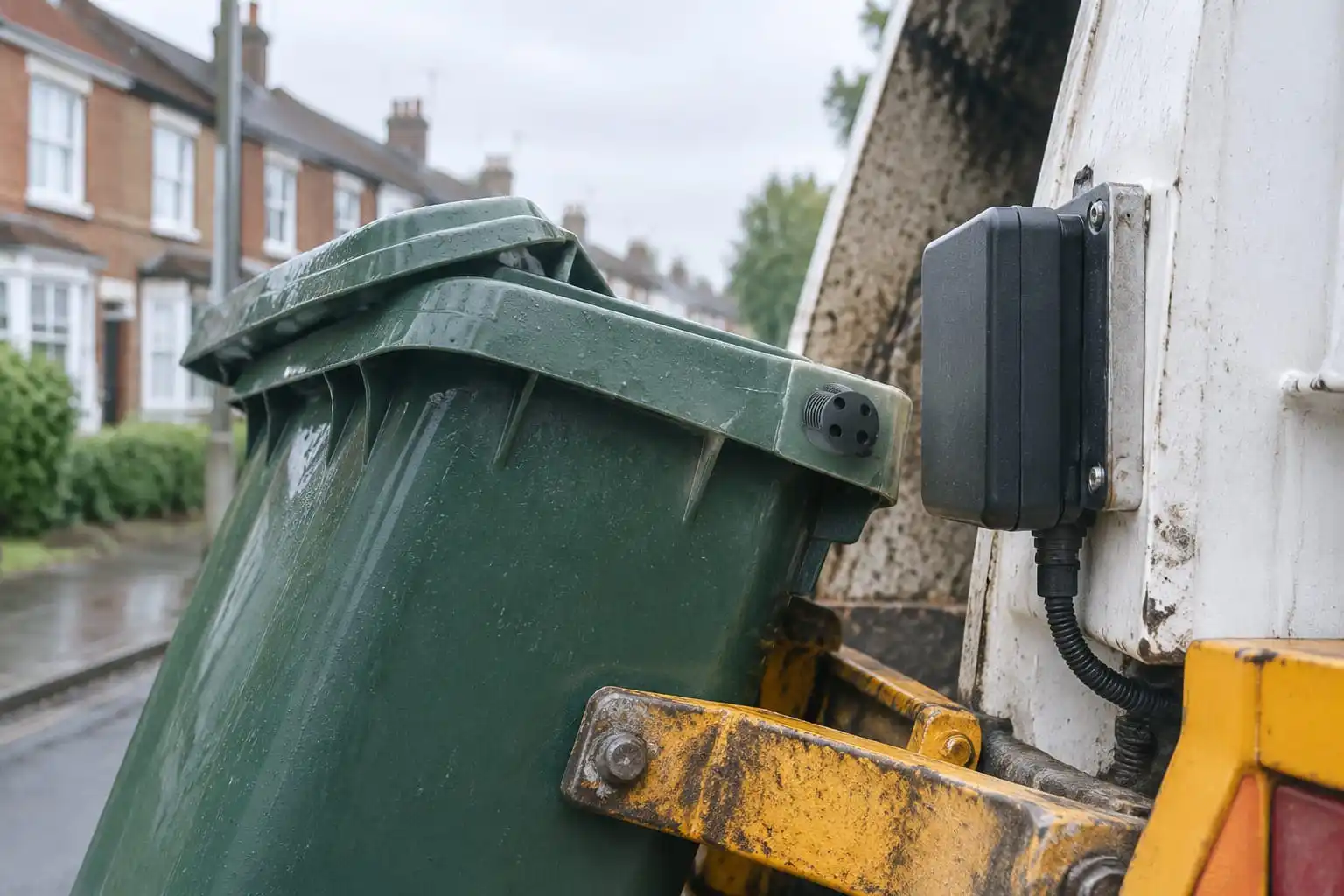
The read. The bin passes the antenna on the body, the tag is read before the tip, and the weight is attributed to that container. This is the moment the whole billing chain depends on — and the reason the tag has to be at the right end of the bin.
Questions we are asked
| Question | Answer |
| LF or UHF — which one do I need? | Whichever your trucks already read. LF at 134.2 kHz is short range and very tolerant of mud and ice, and it is the long-standing choice for a reader pad that the bin passes close to. UHF reads further and can take several bins at once, which suits yard portals and depot gates. The tag does not decide the system; the antenna on the vehicle does. |
| Will it fit my bins? | It fits the moulded nest on most European wheelie bins, the same pocket that a DIN 30745 tag screws into. Send us the bin make and model before a large order — the thread size is the one dimension where a mismatch is only discovered one bin at a time. |
| Does it work on a steel container? | Metal reflects the field, and an on-metal version is a different construction with a different price. Tell us the container material and we will quote the right part rather than the convenient one. |
| Can the tag be removed? | Yes, with a four-hole pin spanner. The design makes removal visible and awkward rather than impossible, which is the realistic goal: it stops a tag being moved from one bin to another between rounds, which is what fraud in pay-by-weight schemes actually looks like. |
| Is it waterproof? | Resistance to water, salt mist, mineral oil and petroleum. |
| Can you supply tags numbered to match our existing bins? | Yes, and for a replacement programme that is the normal job. Send the list of bin IDs and we will encode to match, so historical weight data stays attached to the same container. Changing numbers mid-contract is the mistake that takes a season to notice. |
| What is the read distance? | It depends far more on the reader and its mounting than on the tag. Tell us the vehicle and the antenna and we will measure on that combination. |
Related. The wider tag range is on the RFID tag page. For steel skips and compactors, the rigid on-metal tag is here; for reading bins at a yard gate rather than from a truck, see handheld readers.
Copyright © ©Copyright 2024 Greatest IoT Technology Co., Ltd all rights reserved - Privacy policy