01
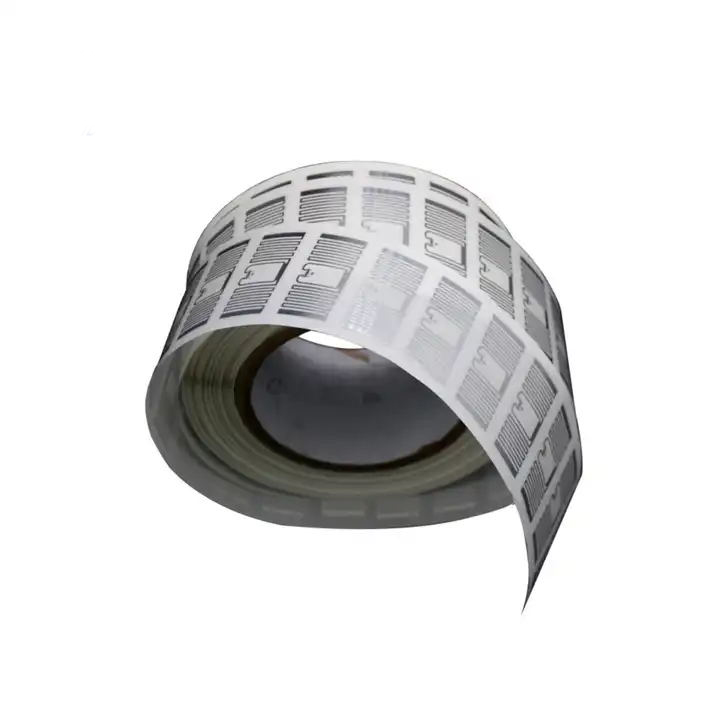
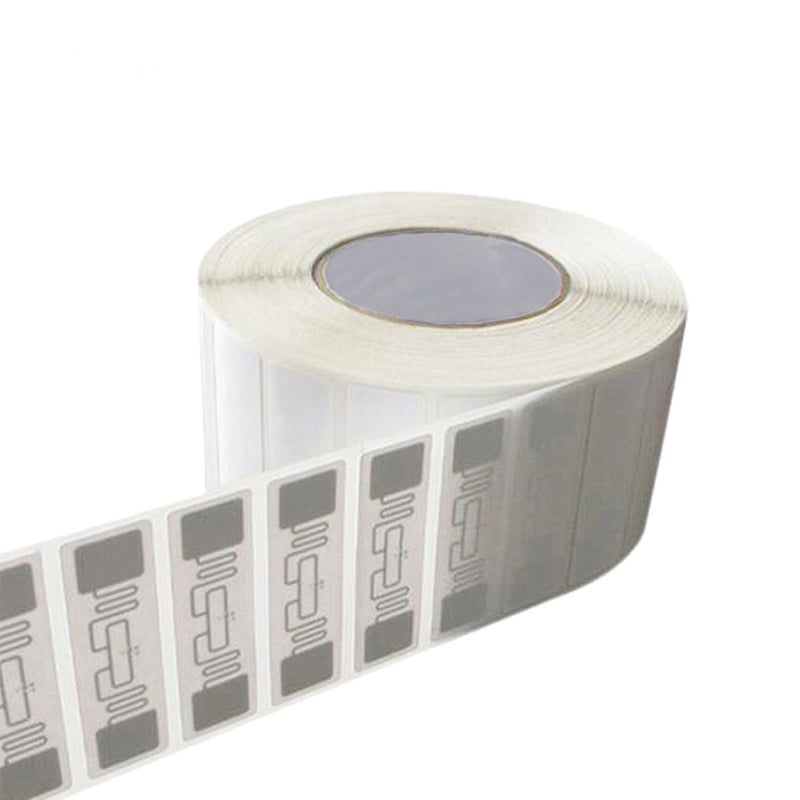
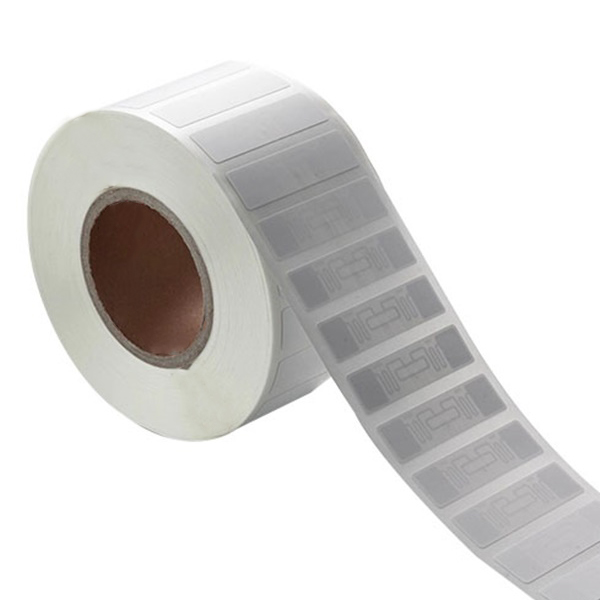
Dry inlay
Chip and antenna only, on a PET carrier, no adhesive and no face stock.
For label converters with their own lamination line

Specification at a glance | |||
| Protocol | EPCglobal Class 1 Gen 2 · ISO/IEC 18000-6C (now numbered 18000-63) | Frequency | 860–960 MHz — band fixed per market |
| Type | Passive, read / write | Formats | Dry inlay · wet inlay · paper label · PET / PP label |
| Chips |
Alien H3 / H4 /H10Monza 6/R6P Impinj M700/M800 seriesNXP U8/U9 |
Read range | Up to 6 m (stated maximum) |
| Printing | Silk screen · offset · digital · laser | Customisation | Size, adhesive, printing, EPC encoding, samples free |
Start here
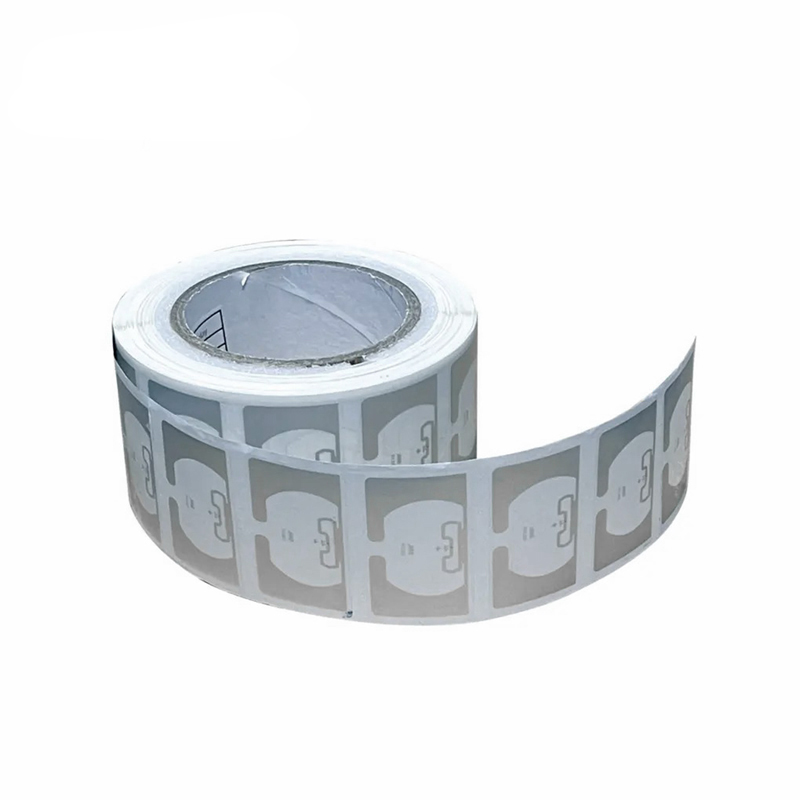
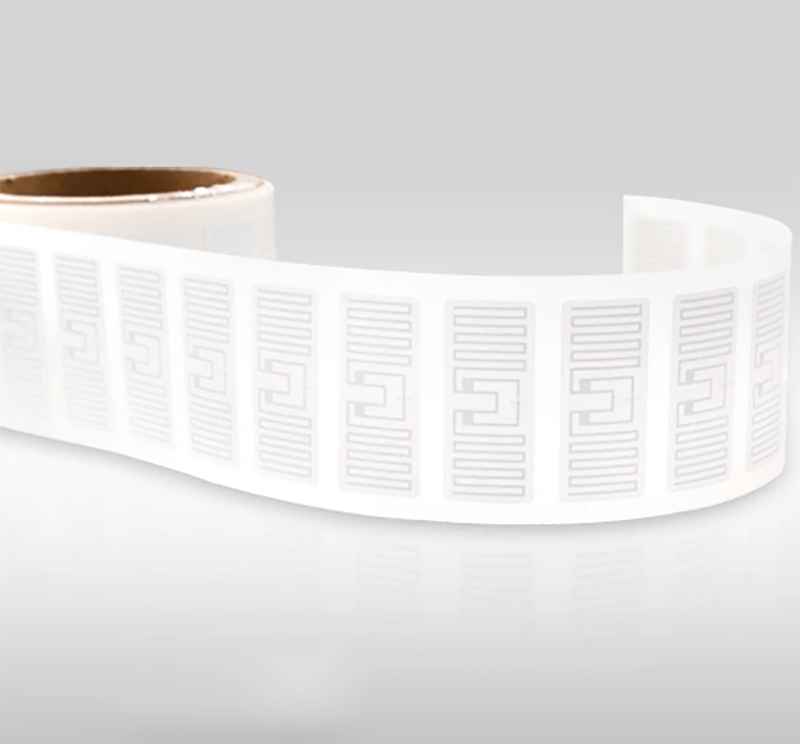
The chip and antenna are the same across all four. What changes is whether you receive a bare inlay to convert yourself, or a finished label you can print and apply.
Chip and antenna only, on a PET carrier, no adhesive and no face stock.
Inlay plus pressure-sensitive adhesive and a release liner, unprinted.
Coated paper face stock over the inlay, with adhesive and liner — printable with barcode and text.
Water-resistant synthetic face stock over the inlay, with adhesive and liner.
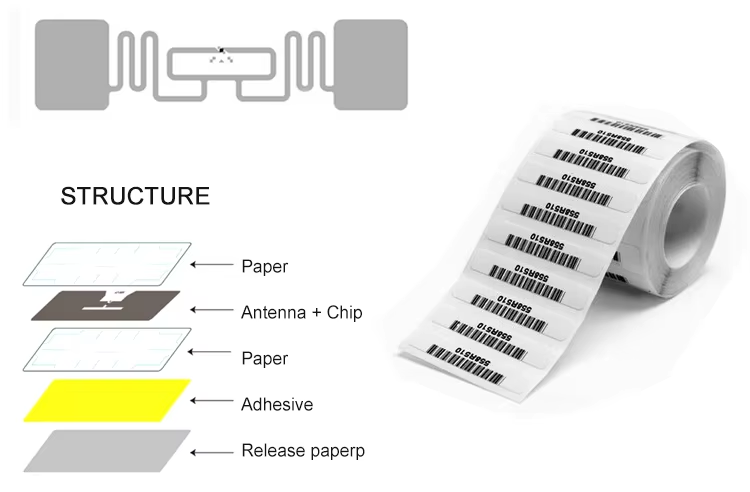
Construction
Five layers, in this order. The antenna you can see through the face stock is etched metal on a PET carrier, and the chip is bonded to it before the adhesive and liner go on.
How UHF works
There is no battery in the tag. Everything it does is powered by the energy arriving from the reader antenna.
The reader and antenna direct radio waves at the tags in range. The tag antenna captures part of that energy and turns it into a current.
The current energises the integrated circuit. It powers up, modulates the incoming energy with data from its memory banks, and re-radiates it.
That modulated reflection is the backscatter signal. The reader decodes it, and the anti-collision protocol lets it separate dozens of tags answering at once.
Chip memory
Every Gen 2 chip organises data the same way, but the number of bits in each bank is chip-specific — which is why we quote memory per chip rather than as one figure.
Holds the kill and access passwords. The most protected bank on the chip.
Carries the business identifier — for example an SGTIN-96. This is what a reader returns by default.
Factory-written chip and vendor identifier. Read-only, and the basis of uniqueness and anti-counterfeit checks.
Free space for your own data. Capacity ranges from 512 bits on some chips down to none at all on others.
Performance
Six metres is the maximum for a suitable chip and reader configuration. It is not a number you get on every surface, at every angle, with every reader.
Where it is used
Made to order
Send the surface, the reader model and the data format, and the quotation comes back against that specification rather than a generic SKU.
Standard rectangles or a custom outline. Antenna size is matched to the label footprint — you cannot shrink a label without changing its read performance.
Silk screen, offset, digital or laser, including variable data such as a barcode, serial number or customer logo on the same face as the inlay.
EPC written to your data list, locked where required, and verified before packing. Send the encoding scheme — for example SGTIN-96 — with the order.
The glue is chosen for the surface, not the label. Cardboard, plastic, glass, frozen goods and metal each need a different grade — metal needs an on-metal antenna as well.
Technical parameters
Material: |
PVC/PET/paper |
|
Size: |
Customized |
|
Type: |
Passive, read / write |
|
Protocol: |
ISO18000-6c&EPC global Class C1G2 |
|
Frequency: |
860~960MHz |
|
Chip |
Impinj M700 M800 series /NXP U8 U9 /Alien H3 H4 H10 chip |
|
Antenna |
customized antena |
|
Read Distance: |
1-10M |
|
Printing: |
Silk printing, offset printing, digital printing, laser printing |
|
IC store area |
1. EPC: 128bits |
|
2. TID: 16/21 bits | ||
3. User area: 512 bits | ||
IC life: |
100,000 Programming cycles 10years data retention |
|
Sample Availability: |
Free samples are available upon request |
|
Applications: |
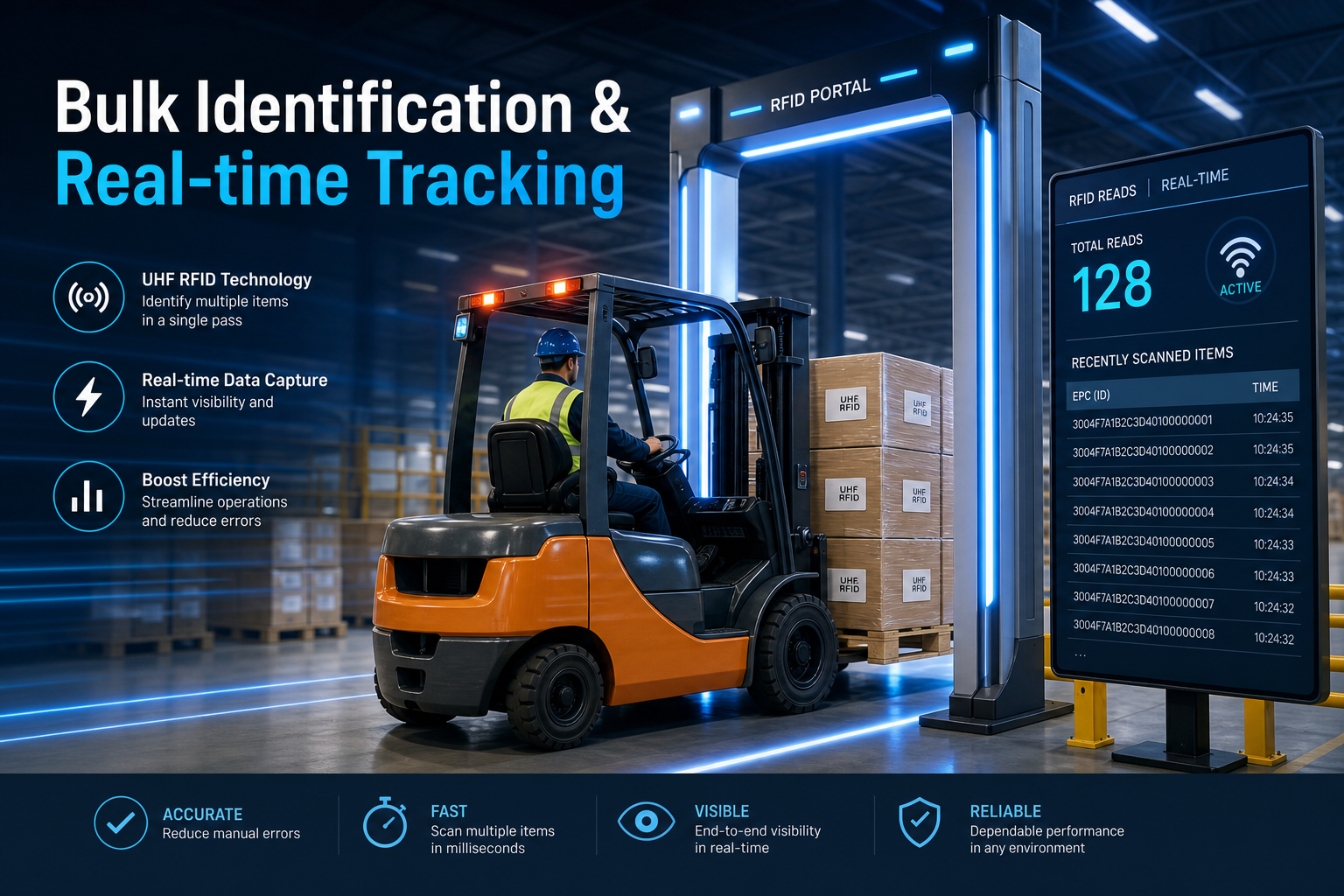
1.Logistics
2. Warehouse Inventory
3. Pallet Management
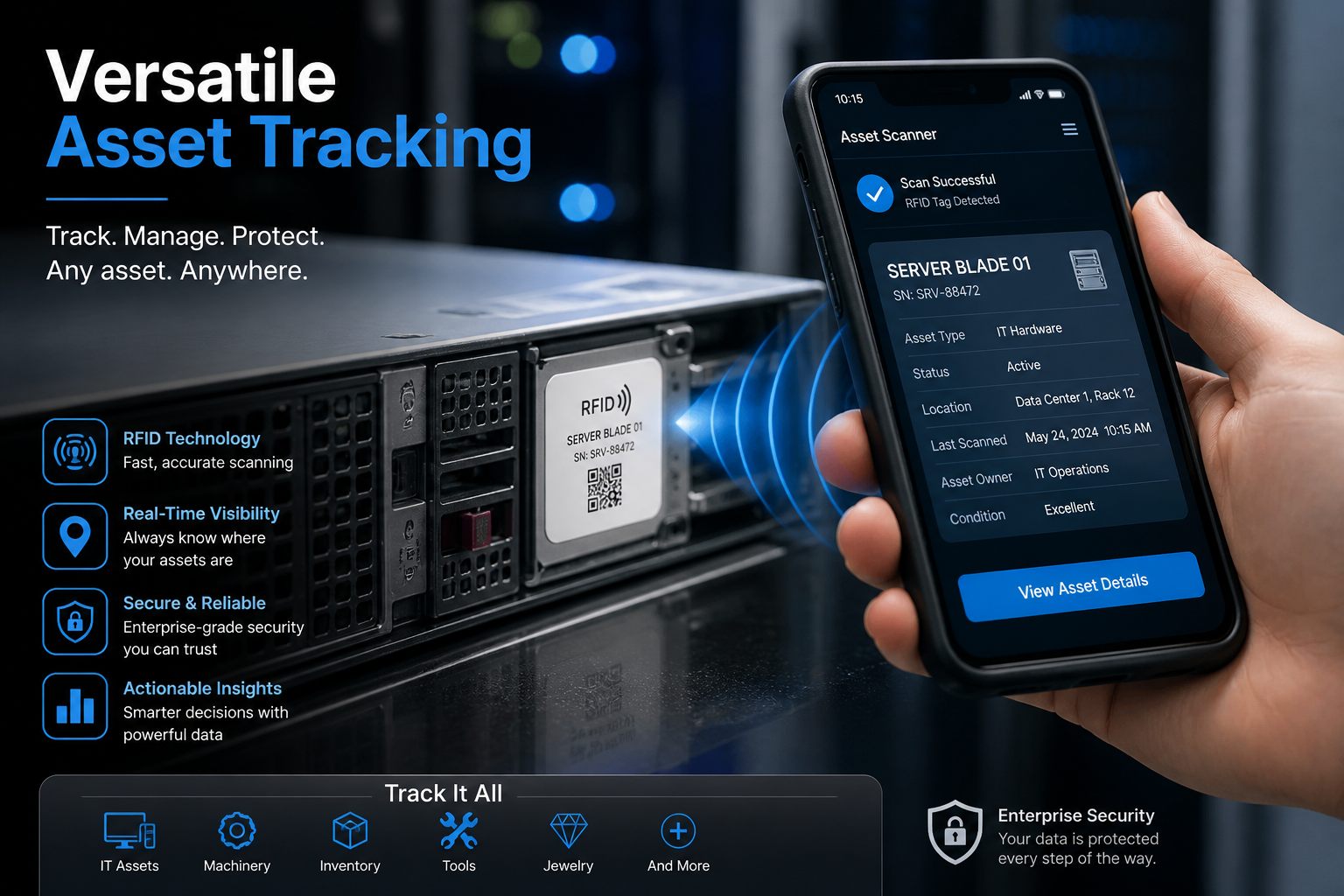
4. Cloth/Garment Tracking 5. Asset Management 6. Vehicle Management 7. Jewelry label Management 8. Alcohol Management 9. Hospital asset management And etc. |
|
Questions buyers ask
Copyright © ©Copyright 2024 Greatest IoT Technology Co., Ltd all rights reserved - Privacy policy