
01
Pressure-sensitive label
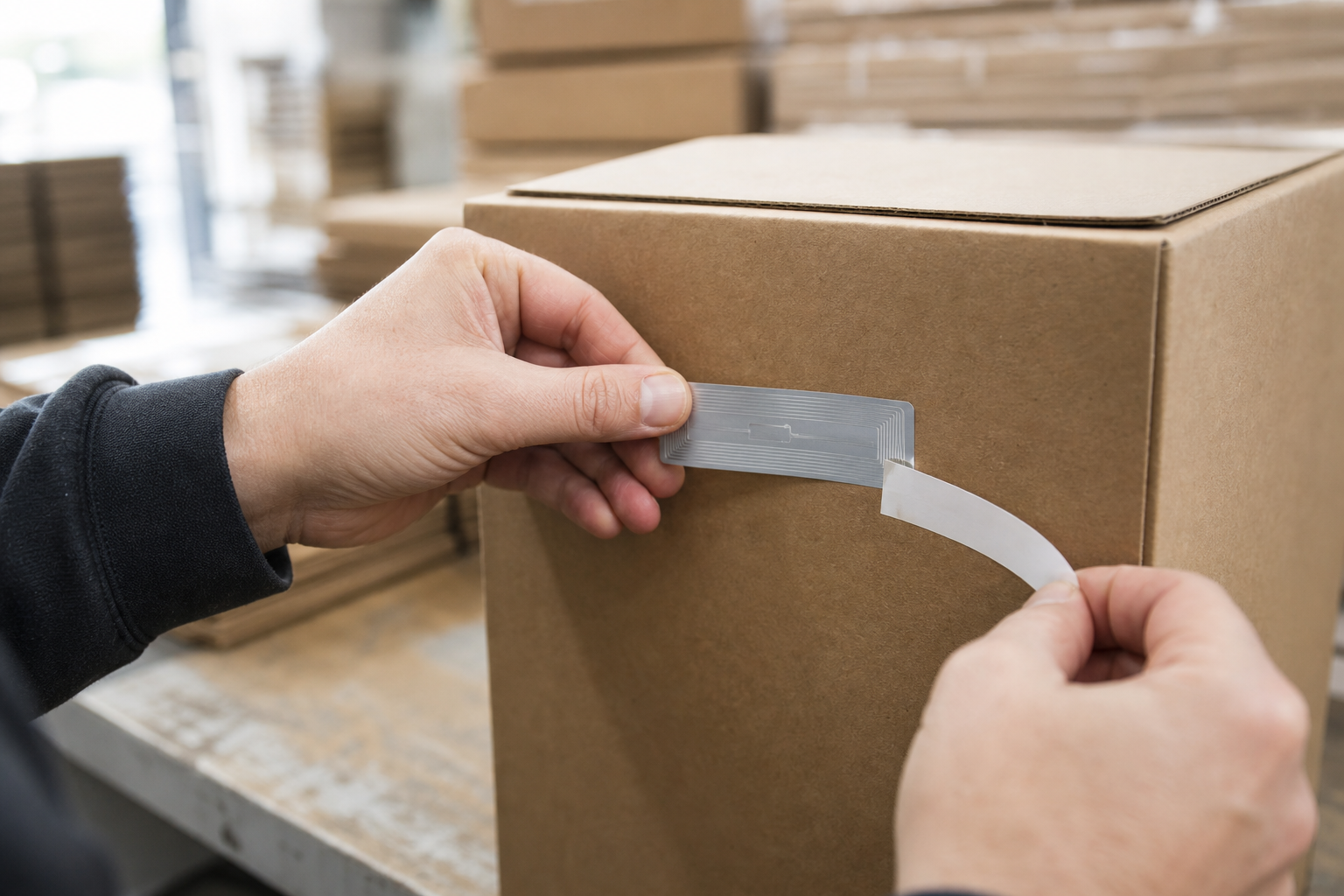
Laminate a printable face stock on top and an adhesive plus release liner underneath, then die-cut to the label shape.
→ Retail and logistics labels


Home > Products > RFID TAG > RFID Dry Inlay
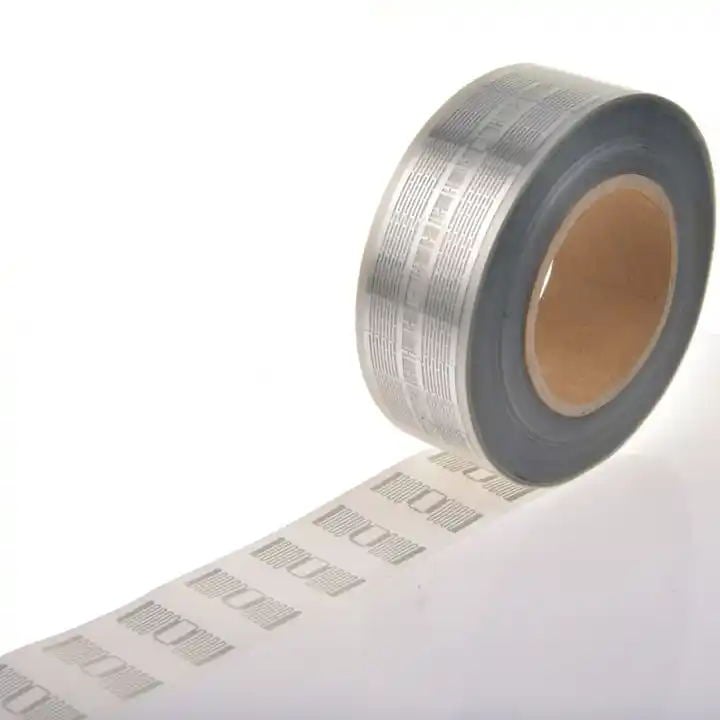
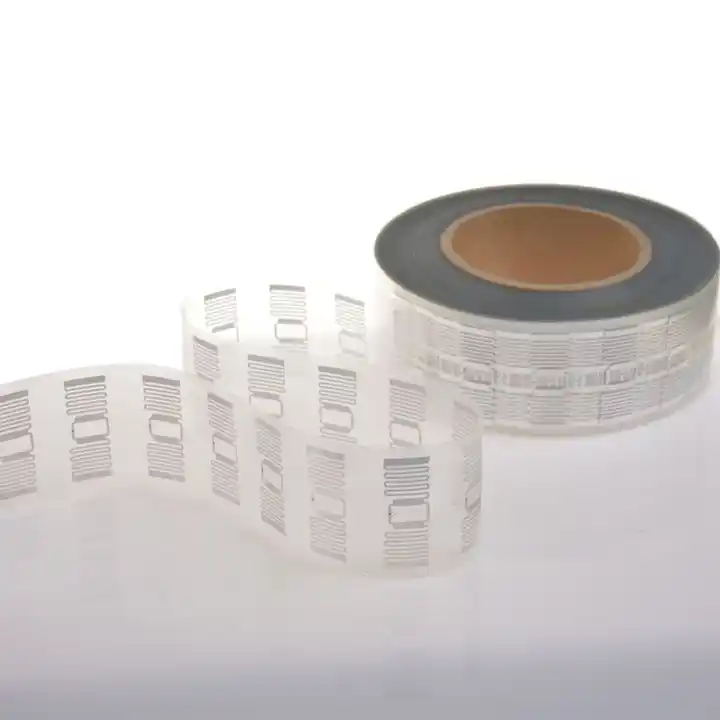
An inlay is the working part of an RFID label: antenna, chip and chip package on a PET carrier. A dry inlay stops there — no adhesive, no release liner. You take it to your own laminating line and add the face stock and glue your product needs.
Dry inlay means the inlay carries no adhesive and no release liner. Its stack is antenna, chip and chip package on a PET carrier — three functional elements. Wet inlay is the same inlay with pressure-sensitive adhesive and a release liner added, so it can be applied straight to a surface.
The difference is not the radio performance. It is what happens after the roll leaves us: a dry inlay is a component for a converter, a wet inlay is a finished label. If you need to stick it onto something tomorrow, you want the wet version. If you are building labels, cards or tags on your own line, the dry version gives you the face stock, adhesive and die-cut shape you actually need.
| SPECIFICATION AT A GLANCE | Full parameter table below |
| Structure | Antenna + chip + chip package on PET |
| Adhesive | None Added at conversion |
| Frequency | 860–960 MHz (UHF) |
| Protocol | EPC Class 1 Gen 2 / ISO/IEC 18000-6C |
| Chip | UHF Gen2 silicon Per inlay design |
| Supply form | Roll, multi-up web |
| Read range | Per inlay design and reader power |
| Conversion | Label · card · hang tag · hard tag |
The one real difference
Both stacks carry identical radio parts. The wet version adds an adhesive and a liner so it can be applied by hand or by a labelling head. The dry version hands that decision to your converting line.
What you turn it into
A dry inlay is never the end product. What you add to it decides the cost, the thickness and the shape — so the right question is not "which inlay", but "which finished article".
Laminate a printable face stock on top and an adhesive plus release liner underneath, then die-cut to the label shape.
Embed between PVC or PET sheets and press under heat. The inlay becomes the core of the card, invisible from outside.
Sandwich between fabric or paper plies. Being two layers thinner than a wet inlay matters here — the tag stays flat.
House the inlay in an ABS or PC shell and pot it. Add a ferrite layer at this stage if the tag has to work on metal.
Why specify dry
You are not paying for adhesive and release liner that your own line is going to add anyway, and you are not paying to ship them twice.
Face stock, adhesive grade, liner type and die-cut shape are all decisions your plant already makes for its own customers. A dry inlay does not take them away.
Two layers fewer means less bulging when the inlay goes inside a card, between fabric plies, or under a printed top sheet.
Where it ends up
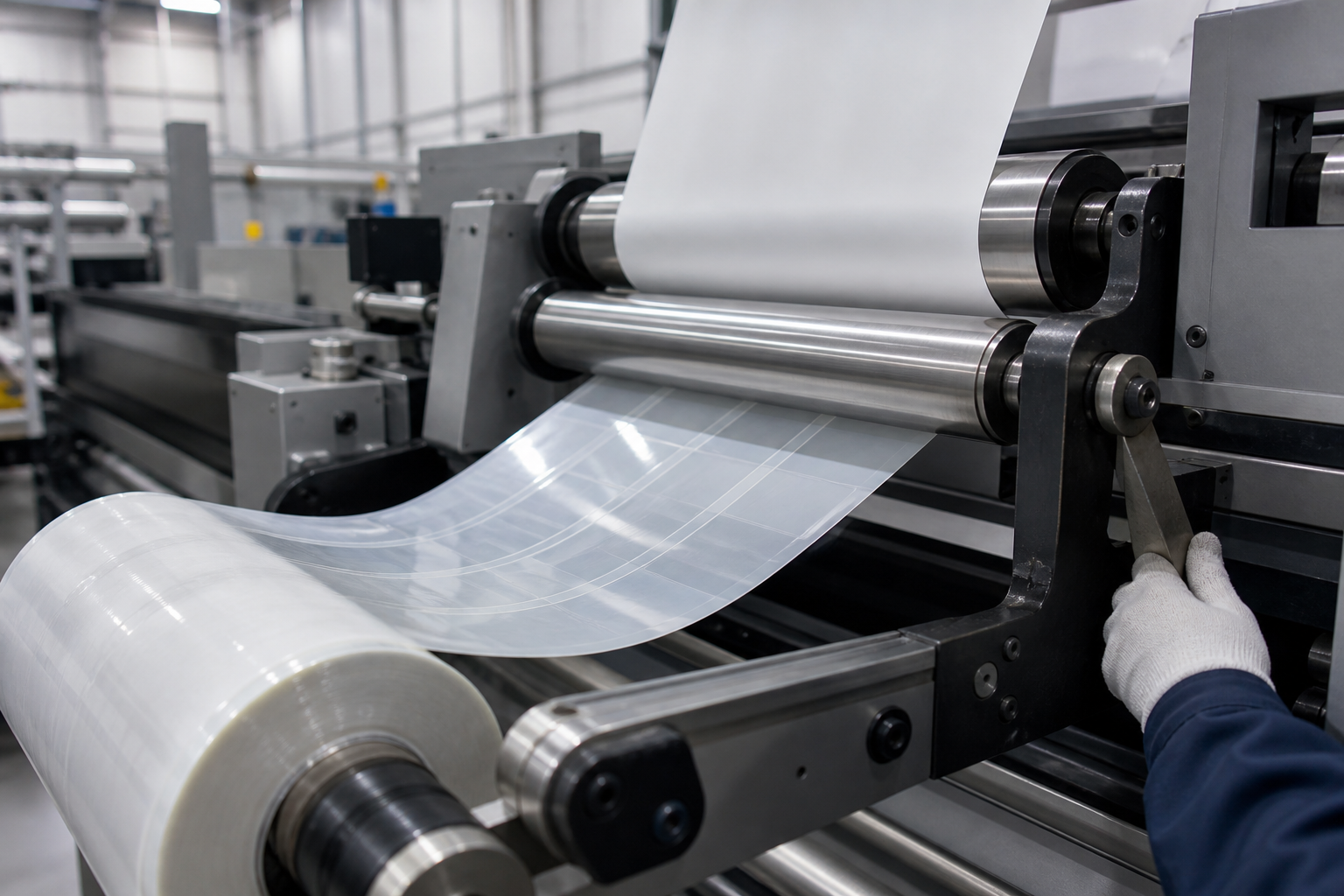
The inlay web runs into the press, meets face stock at the nip, and leaves as a printable label construction.
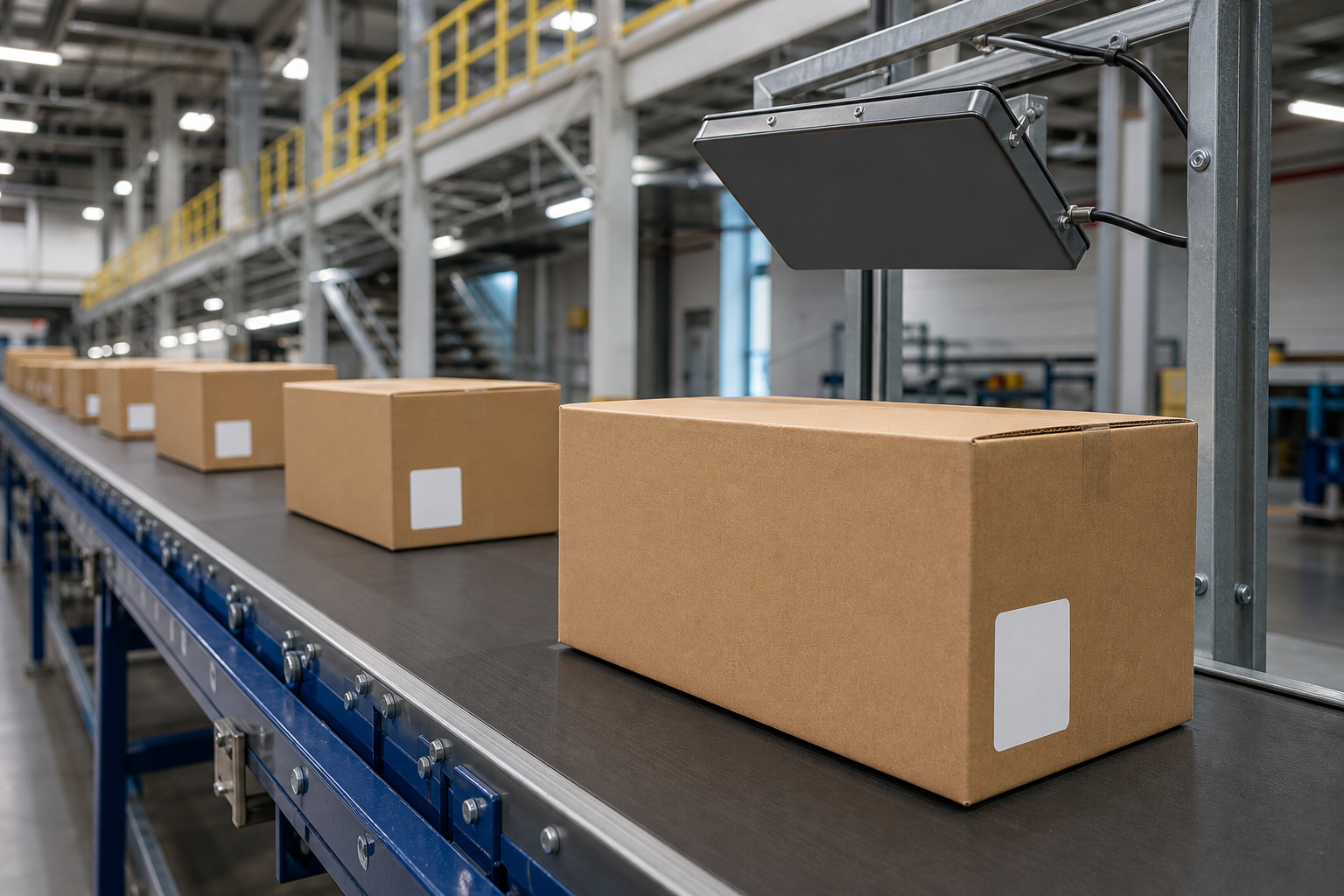
Once converted, the same inlay reads at dock doors and on sortation belts — thousands of labels per shift, no line of sight needed.
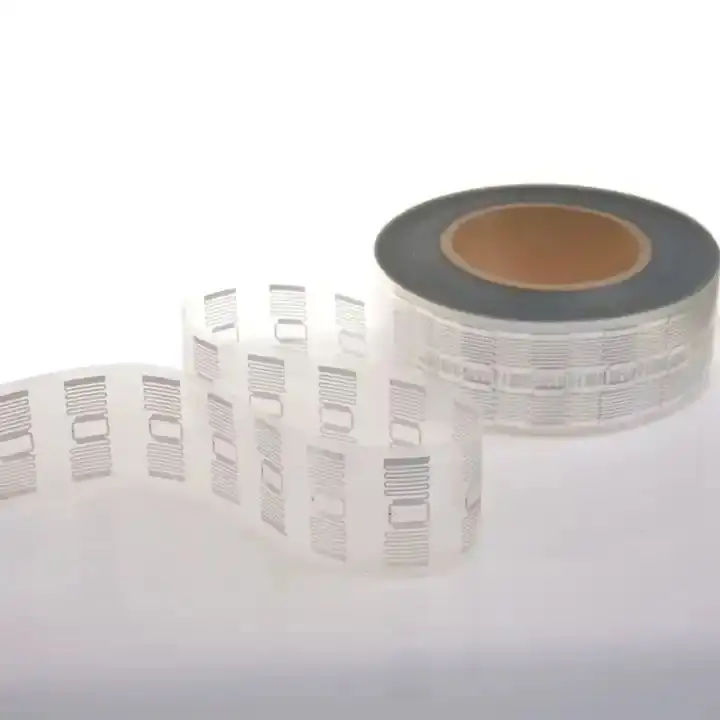
With no liner and no glue, the inlay can be laid into a card core or a fabric ply without the thickness that a label would add.
Technical parameters
| CONSTRUCTION | |
| Structure | Etched antenna + chip + chip package on PET carrier No adhesive, no release liner |
| Carrier | PET film |
| Supply form | Roll, multi-up web Web width and pitch set per inlay design |
| Face stock | Not included Added at conversion |
| RADIO | |
| Frequency | 860–960 MHz (UHF) Band confirmed per destination market |
| Protocol | EPCglobal Class 1 Gen 2 / ISO/IEC 18000-6C |
| Chip | UHF Gen2 silicon, per inlay design Tell us the chip your reader and software are validated against |
| Read range | Depends on inlay design, reader power and the material the finished label is applied to |
| CONVERSION OPTIONS | |
| To label | Face stock + adhesive + release liner, die-cut to shape |
| To card | Laminated between PVC or PET sheets |
| To textile | Encapsulated between fabric or paper plies |
| To hard tag | ABS or PC housing, potting, optional ferrite layer for metal |
| ORDERING | |
| Minimum order | Per inlay design and web width Usually quoted in whole rolls |
| Samples | Sample roll or cut lengths on request |
| Lead time | Confirmed with the quotation for the specific inlay |
Questions buyers ask
Copyright © ©Copyright 2024 Greatest IoT Technology Co., Ltd all rights reserved - Privacy policy