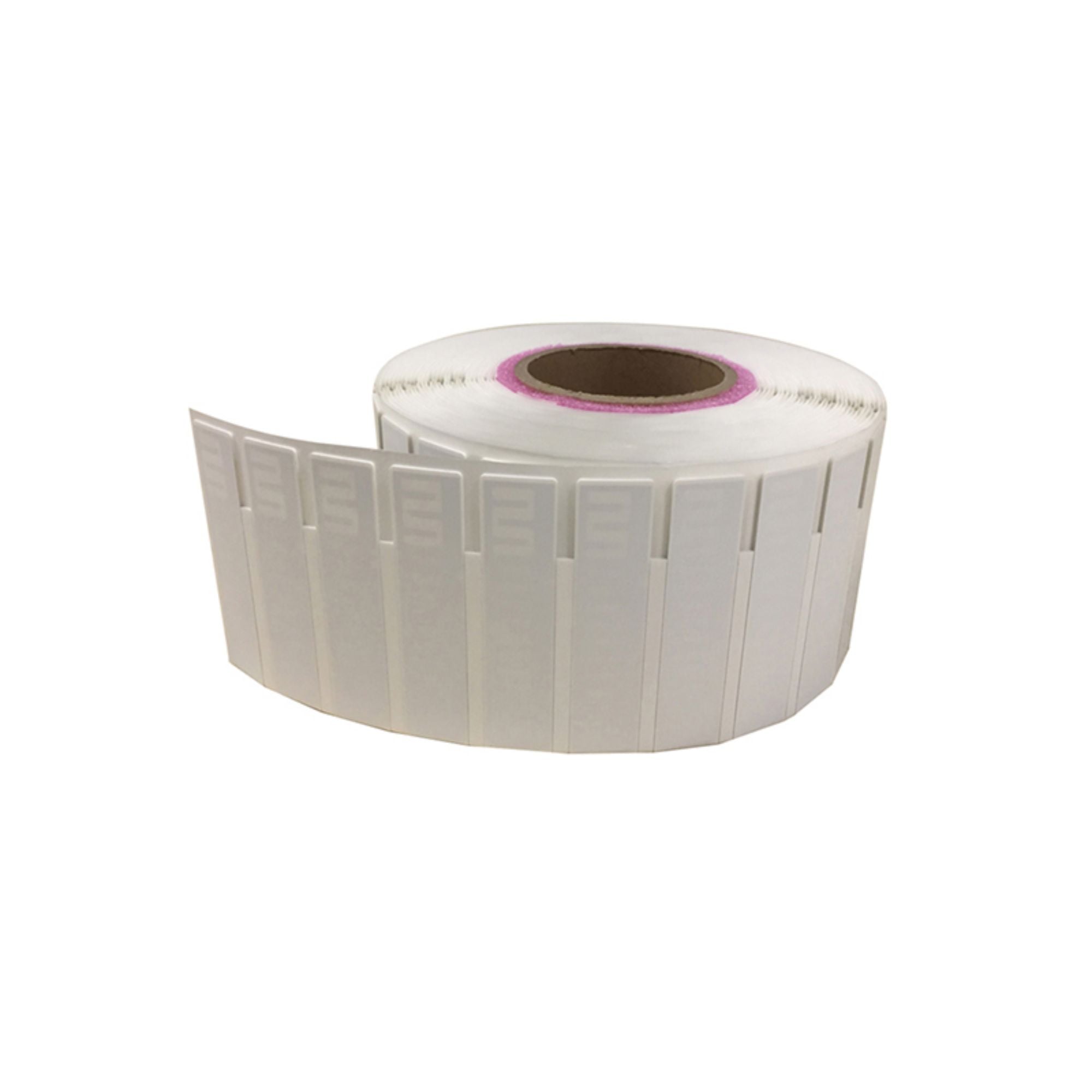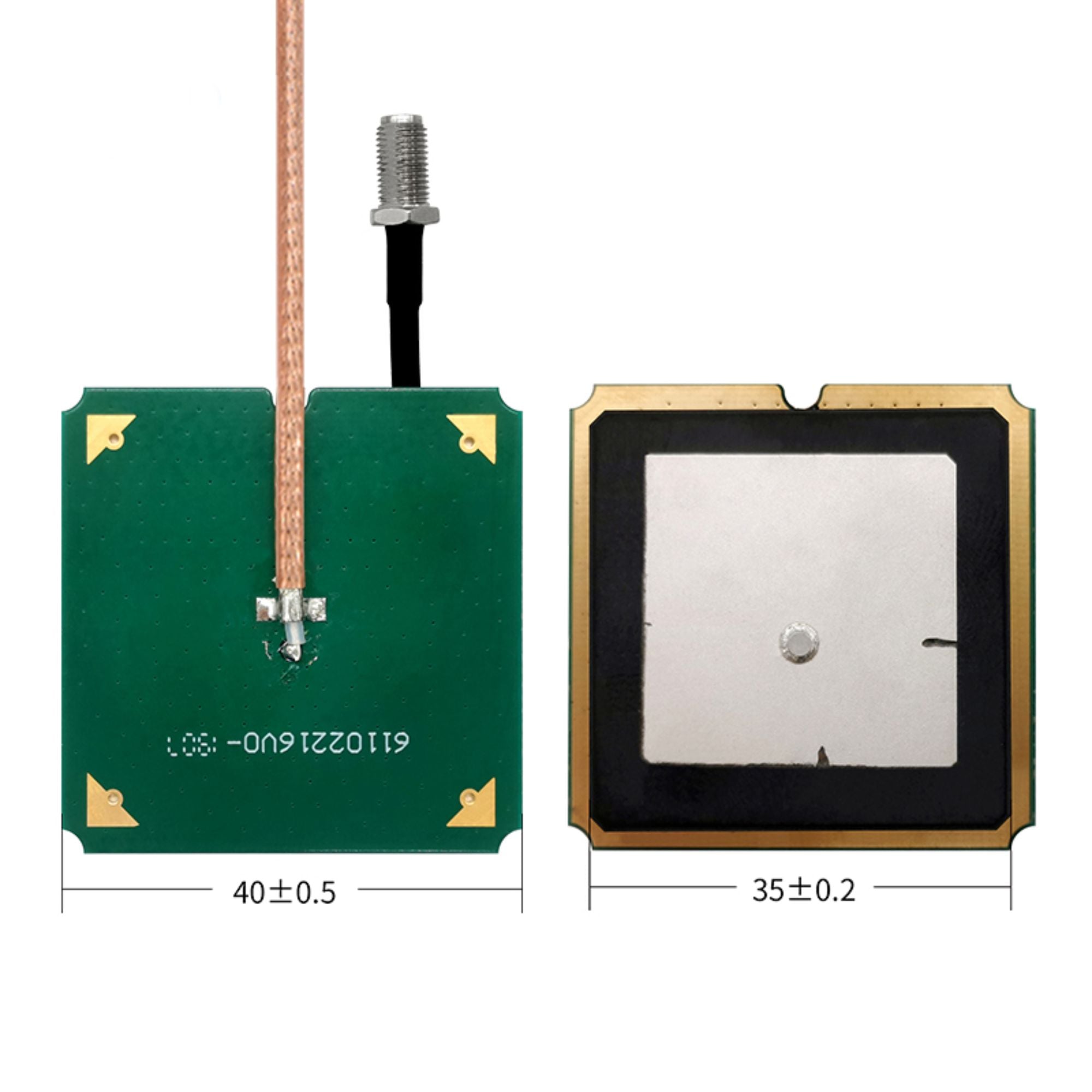

सीधा उत्तर सबसे पहले: ए यूएचएफ (अल्ट्रा-हाई फ्रीक्वेंसी) आरएफआईडी टैग है एक निष्क्रिय या सक्रिय डेटा वाहक जो ८६०–९६० मेगाहर्ट्ज़ की आवृत्ति सीमा में काम करता है, जो लंबी दूरी की पहचान (निष्क्रिय के लिए १५ मीटर+ तक, सक्रिय के लिए १०० मीटर+ तक) और सामूहिक पठन क्षमता प्रदान करता है। वर्ष २०२६ में, यूएचएफ टैग्स अपनी कम इकाई लागत और उत्कृष्ट स्केलेबिलिटी के कारण वैश्विक आपूर्ति श्रृंखला दृश्यता, खुदरा इन्वेंटरी प्रबंधन और उभरते "आरएफआईडी+एआई" औद्योगिक पारिस्थितिकी तंत्र के लिए सुनहरा मानक बने हुए हैं।
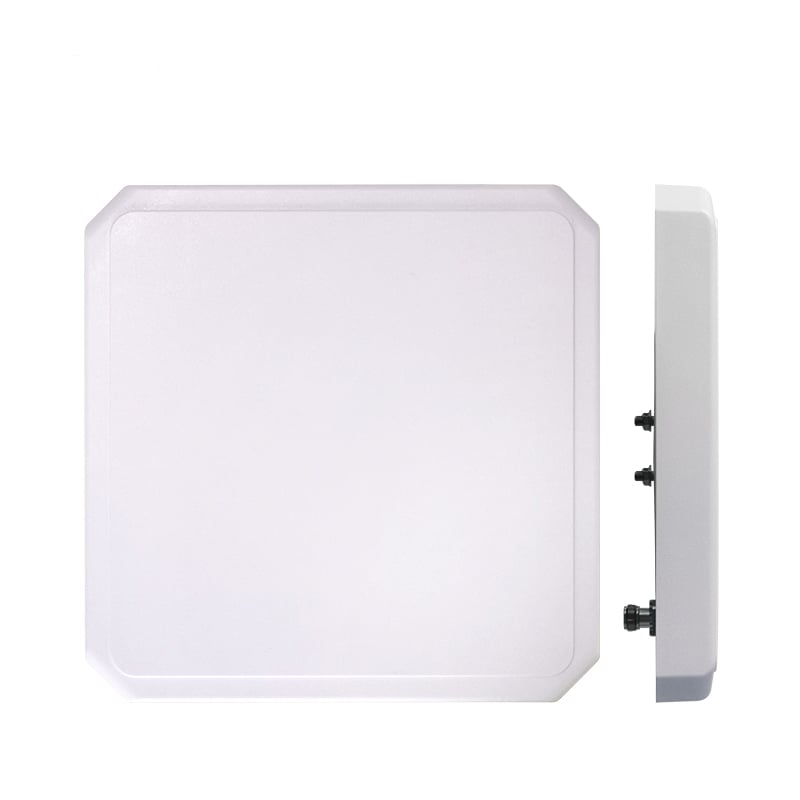
उच्च आवृत्ति (एचएफ) टैग्स के विपरीत, जिन्हें निकटता की आवश्यकता होती है, यूएचएफ टैग्स "बैकस्कैटर" प्रौद्योगिकी का उपयोग करते हैं। इससे एकल रीडर को किसी भी सीधी दृश्यता के बिना कई मीटर की दूरी से प्रति सेकंड सैकड़ों वस्तुओं की पहचान करने की क्षमता प्राप्त होती है।
| विशेषता | UHF RFID (860-960 MHz) | HF RFID (13.56 MHz) |
|---|---|---|
| पठन दूरी | लंबी (3 मीटर - 15 मीटर+ ) | छोटी (<1 मीटर, आमतौर पर <10 सेमी) |
| पढ़ने की गति | बहुत तेज़ (बल्क/बैच पठन) | मध्यम (एक या कुछ ही वस्तुएँ) |
| मानक | ISO 18000-6C (EPC Gen2) | ISO 14443A / ISO 15693 |
| इसके लिए सबसे उपयुक्त | लॉजिस्टिक्स, रिटेल, वाहन आईडी | भुगतान, पहुँच नियंत्रण, एनएफसी |
| परेशानी | धातु/द्रव के प्रति उच्च संवेदनशीलता | कम संवेदनशीलता |
यूएचएफ टैग्स ने रिटेल इन्वेंट्री की सटीकता 70% से बढ़ाकर 99%+ कर दी है। 2026 में, हम एलईडी-सुसज्जित यूएचएफ टैग्स के व्यापक अपनाने को देख रहे हैं, जो अंधेरे गोदाम या दुकान के फर्श पर कर्मचारियों को विशिष्ट वस्तुओं को ढूँढने में सहायता के लिए प्रकाशित होते हैं।
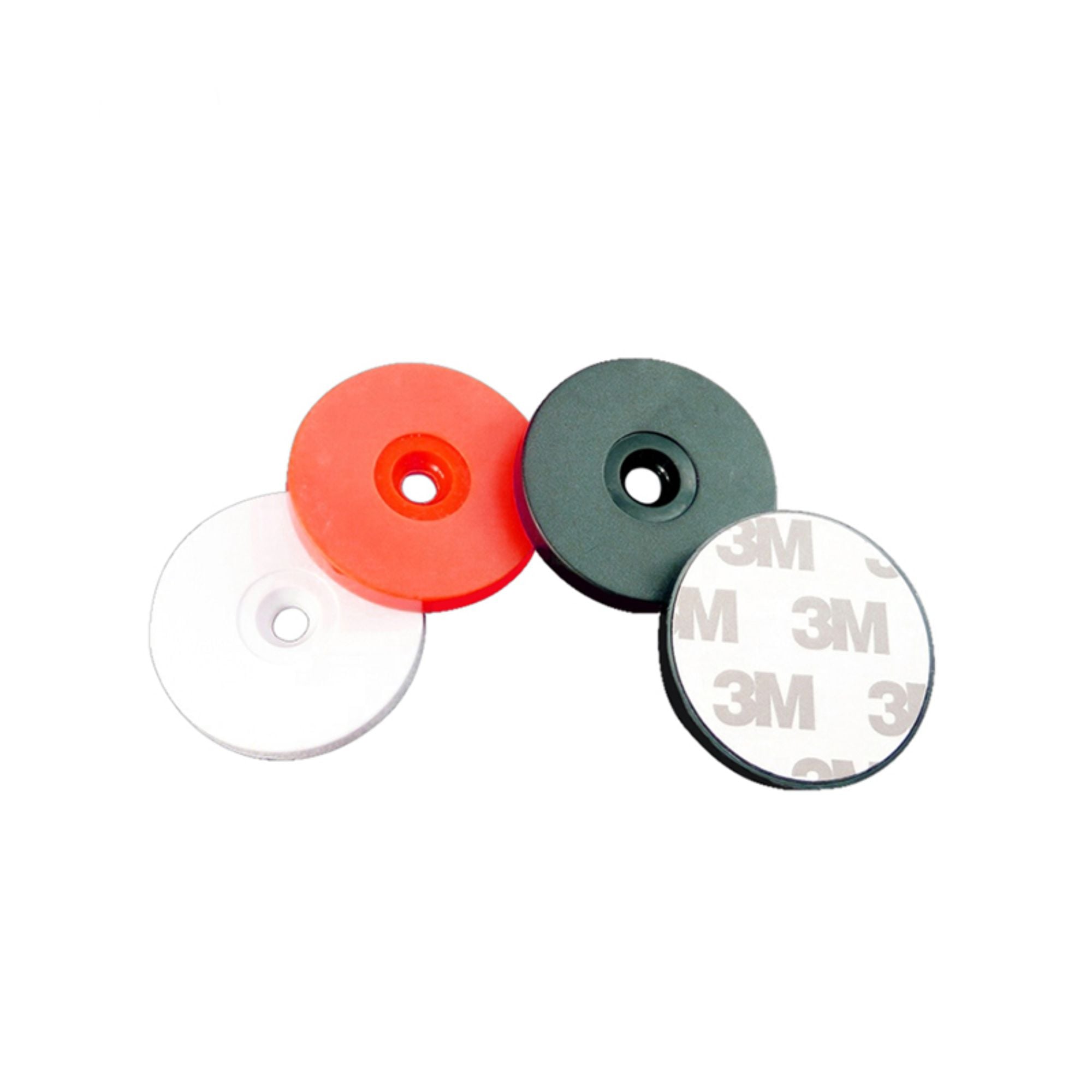
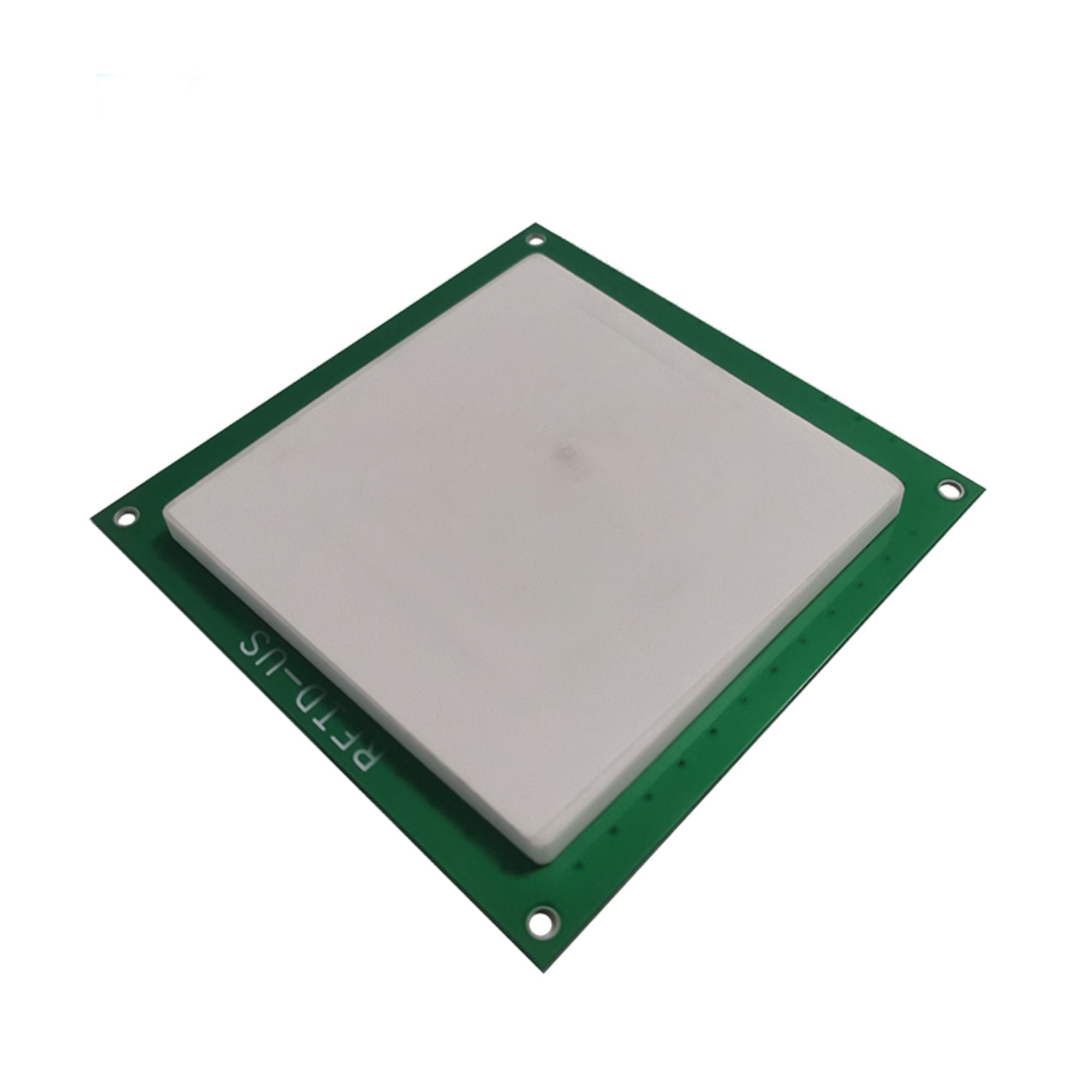
मानक यूएचएफ टैग धातु पर डिट्यून हो जाते हैं। लचीले एंटी-मेटल यूएचएफ टैग और पीसीबी यूएचएफ टैग मशीनरी, स्टील के कंटेनरों और आईटी उपकरणों पर प्रदर्शन बनाए रखने के लिए डाइइलेक्ट्रिक स्पेसर का उपयोग करें।
उच्च मूल्य वाले चिकित्सा उपकरणों के ट्रैकिंग और स्टराइल आपूर्ति श्रृंखला (जीएचटीएफ क्लास ए/बी) के प्रबंधन के लिए उपयोग किया जाता है। नया RFID सेंसर टैग अब यह तापमान या आर्द्रता की निगरानी कर सकता है, जो ठंडी श्रृंखला के टीकों के लिए महत्वपूर्ण है।
एचएफ की तुलना में, यूएचएफ त्वरित बल्क चेक-इन/आउट की अनुमति देता है और वास्तविक समय में इन्वेंट्री अपडेट करने वाले "स्मार्ट शेल्फ" को सुविधाजनक बनाता है।
"2026 चीन आरएफआईडी पैसिव आईओटी उद्योग व्हाइट पेपर" में एक प्रमुख बदलाव को उजागर किया गया है: आरएफआईडी+एआई .
प्रश्न 1: एक पैसिव यूएचएफ टैग को कितनी दूरी तक पढ़ा जा सकता है?
उत्तर: आमतौर पर 5 से 12 मीटर तक। हालाँकि, उच्च-लाभ निश्चित पाठकों और विशेष लंबी दूरी के टैगों के साथ 15 से 20 मीटर की दूरी तक पहुँच संभव है। सक्रिय यूएचएफ टैग (बैटरी से चालित) 100 से 200 मीटर तक पहुँच सकते हैं।
प्रश्न 2: क्या यूएचएफ टैग जलरोधी होते हैं?
ए: चिप और एंटीना को पीपीएस, एबीएस, या सिलिकॉन में संलग्न किया जा सकता है। धोने योग्य यूएचएफ लॉन्ड्री टैग 200 से अधिक उच्च-दबाव औद्योगिक धुलाई चक्रों को सहन करने के लिए डिज़ाइन किए गए हैं।
प्रश्न 3: क्या यूएचएफ टैग प्रिंट किए जा सकते हैं?
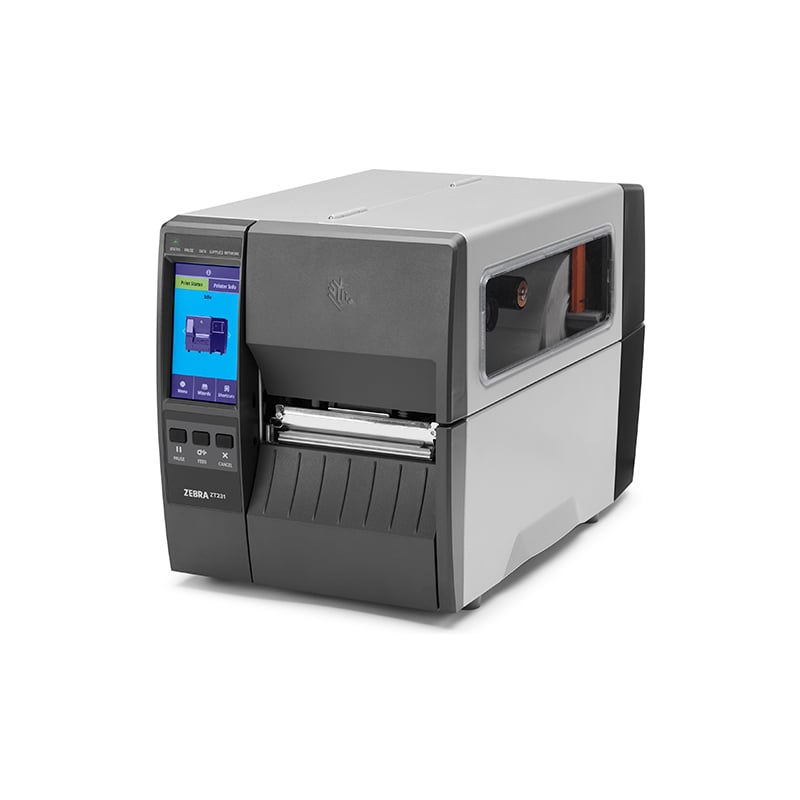
उत्तर: हाँ। थर्मल ट्रांसफर प्रिंटर (जैसे ज़ेब्रा या सैटो) ईपीसी डेटा को एन्कोड कर सकते हैं और टैग की सतह पर मानव-पठनीय पाठ या बारकोड को एक साथ प्रिंट कर सकते हैं।
प्रश्न 4: एक यूएचएफ टैग की लागत क्या है?
उत्तर: मानक कागज़ इनलेज़ की कीमत 0.15उच्च मात्रा में होती है। टिकाऊ औद्योगिक टैग (एंटी-मेटल/पीसीबी) की कीमत 2.00+.
उन व्यवसायों के लिए जो अपने भौतिक संपत्ति को डिजिटल बनाना चाहते हैं, UHF RFID टैग सबसे परिपक्व, उच्च-गति वाला और लागत-प्रभावी प्रवेश बिंदु प्रदान करते हैं। चाहे आप खुदरा परिधान या भारी औद्योगिक उपकरण प्रबंधित कर रहे हों, सफलता की कुंजी आपकी विशिष्ट पर्यावरणीय बाधाओं के अनुकूल सही टैग सामग्री और चिप प्रकार का चयन करना है।
Copyright © ©Copyright 2024 Greatest IoT Technology Co., Ltd all rights reserved - गोपनीयता नीति