

An RFID anti-liquid tag is a UHF RFID label built to keep its antenna electrically isolated from the liquid inside a container, so the tag can still be read when applied to bottles, vials, cans, or drums. A standard UHF inlay placed directly on a water bottle often fails outright or loses most of its range. An anti-liquid construction — typically a thick, low-loss spacer layer between the inlay and the container wall — restores usable performance.
Read more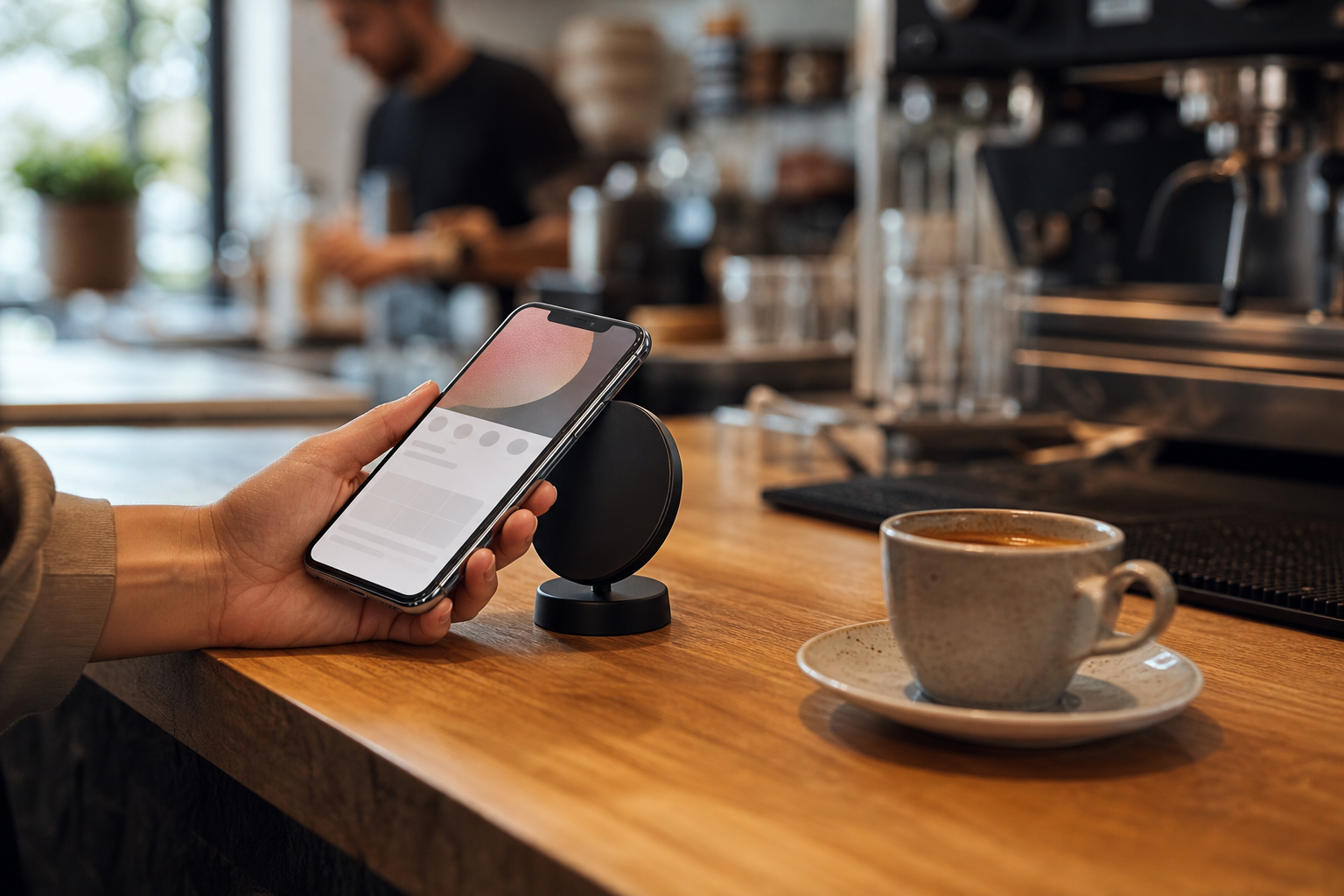
A social media NFC tag is a small passive NFC chip programmed with a web link — usually your social profile, link-in-bio page, or review page — so that a customer can open it by holding a phone within a few centimetres. No app, no scanning, no typing. The phone reads the tag's stored URL and offers to open it.
Read more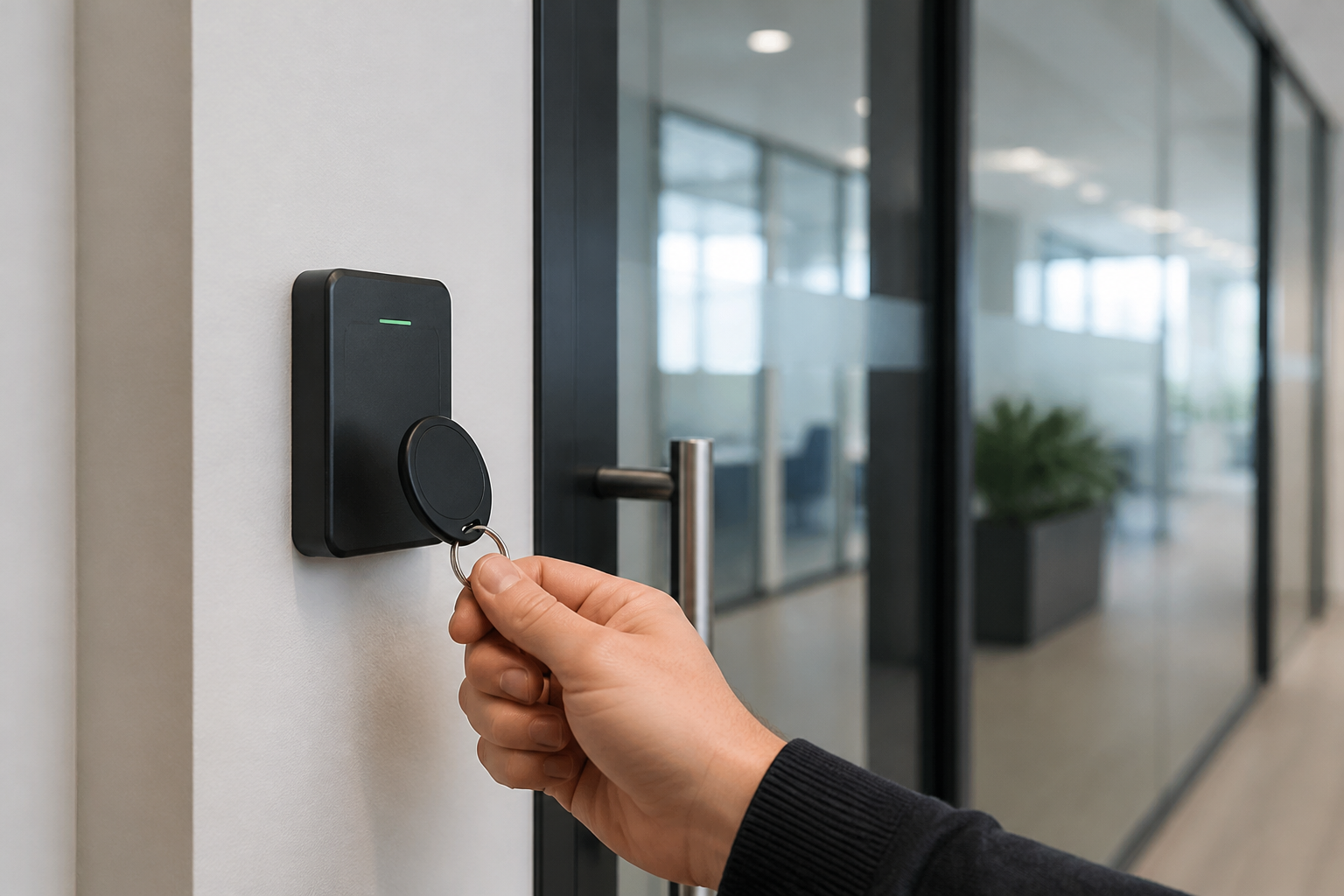
An RFID key fob is a small, sealed, passive credential that carries a chip and antenna inside a plastic body, and is presented to a reader to unlock a door, gate, locker, or terminal. It needs no battery. The reader's electromagnetic field powers the chip, the chip returns an identifier or an authenticated response, and the access controller decides whether to release the lock.
Read more
An RFID library tag is a small contactless identification label attached to a book, journal, media item, file, or other library asset. The tag carries a unique identifier that can be linked to the library management system. When combined with RFID readers, antennas, kiosks, security gates, and software, it can support automated circulation, inventory checks, shelf management, and item tracking.
Read more
An RFID jewelry tag is an RFID label designed for the identification and inventory management of jewelry, watches, eyewear, and other small, high-value products. Each tag can be associated with an individual item or inventory record. When combined with RFID readers and inventory software, it supports faster stock counts, item location tracking, receiving and dispatch records, and exception alerts.
Read more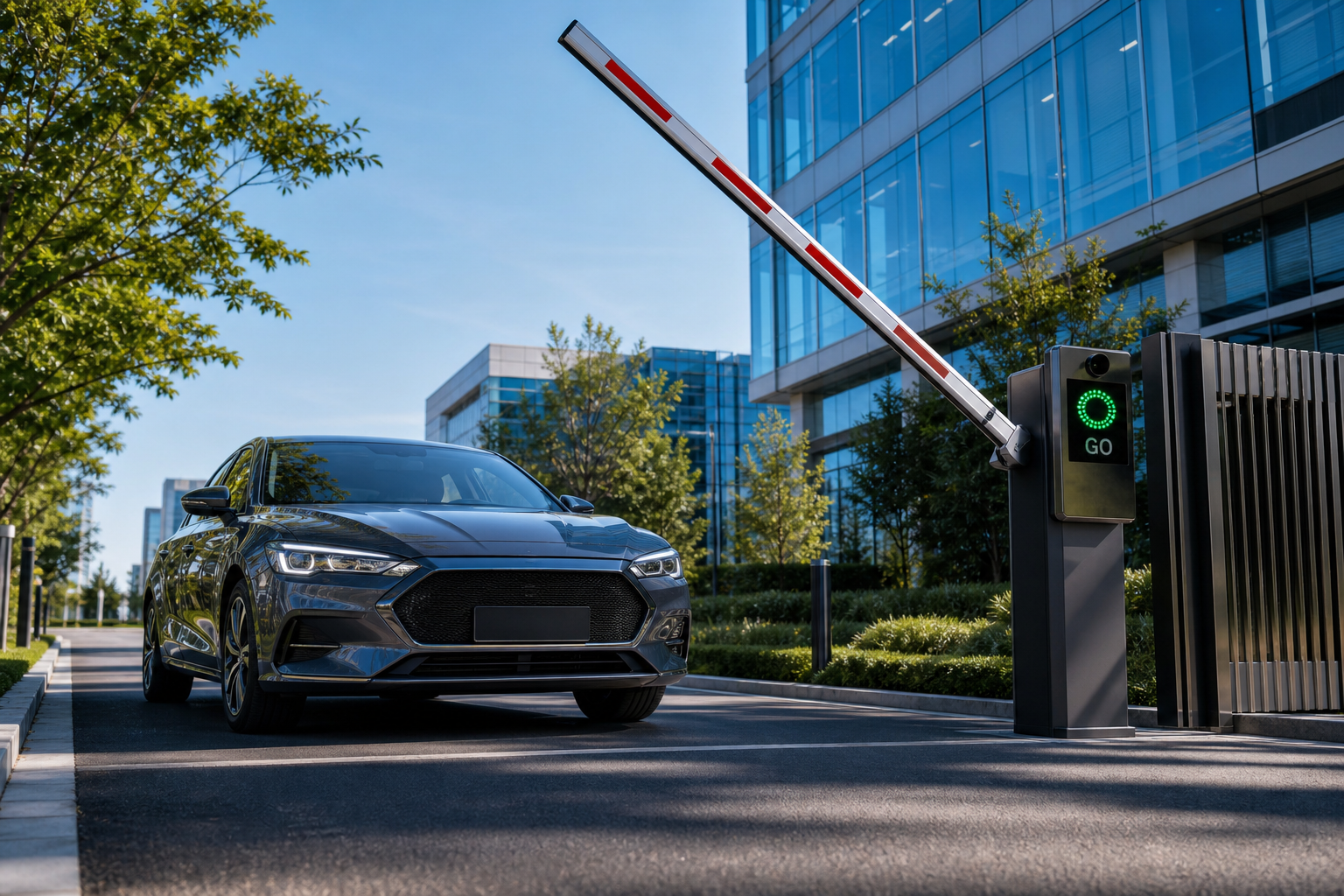
For organizations looking to automate vehicle flow and enhance security, UHF Windshield Tags represent the most reliable and cost-effective solution in 2026. By choosing tamper-evident designs and ensuring correct placement, fleet managers and facility operators can achieve 99.9% iden
Read more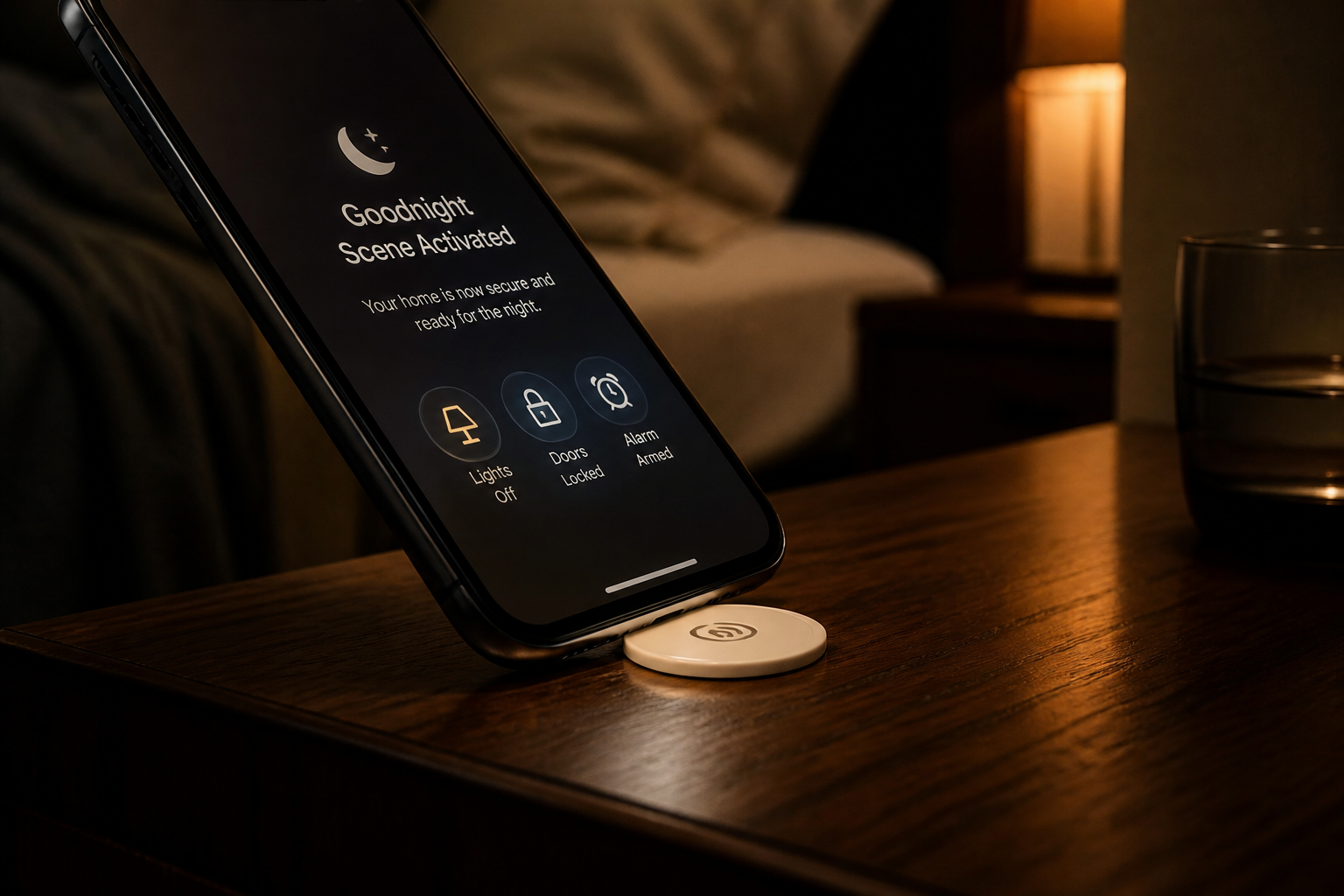
NFC Tags in 2026: The Ultimate Guide to Technology, Uses, and Future Trends
Read more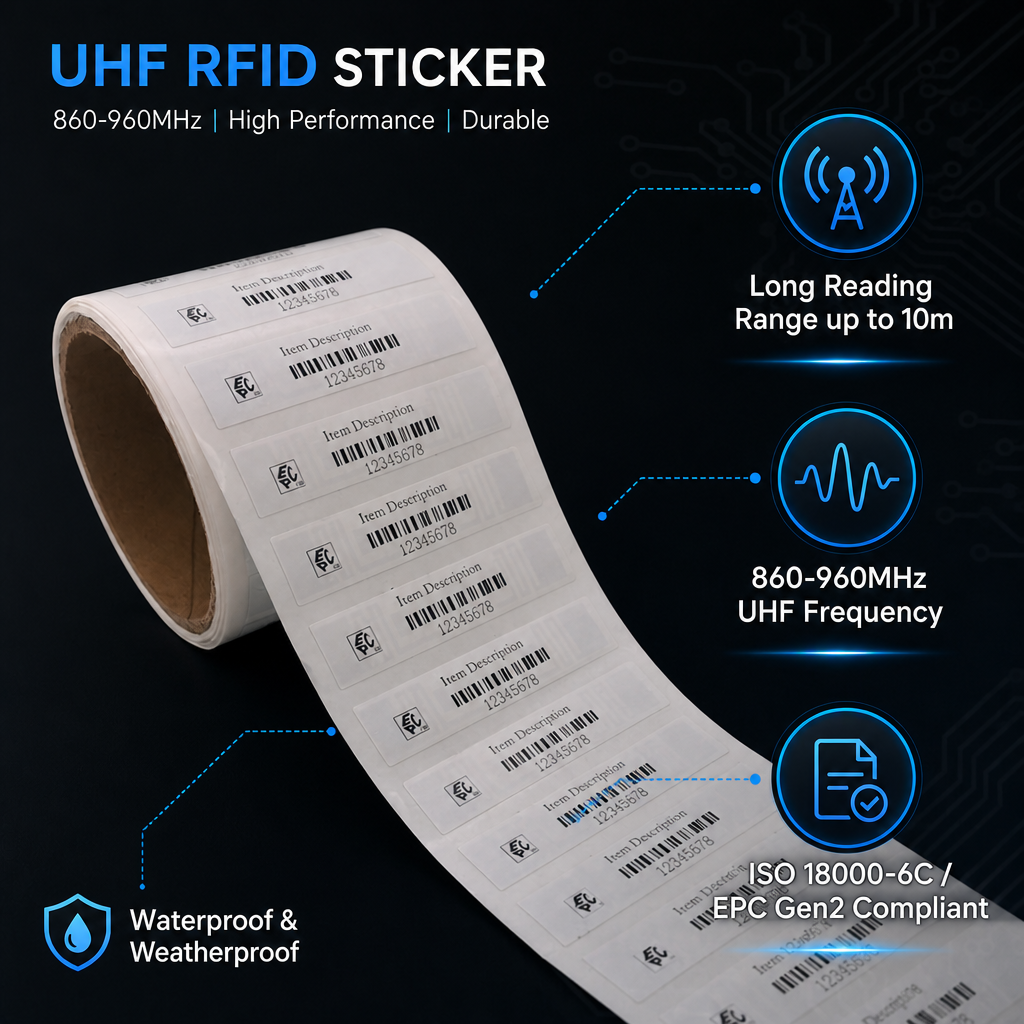
A UHF (Ultra-High Frequency) RFID tag is a passive or active data carrier operating in the 860-960 MHz range, offering long-range identification (up to 15m+ for passive, 100m+ for active) and bulk reading capabilities. In 2026, UHF tags remain the gold standard for global supply chain visibility, retail inventory management, and the emerging "RFID+AI" industrial ecosystem due to their low unit cost and superior scalability.
Read more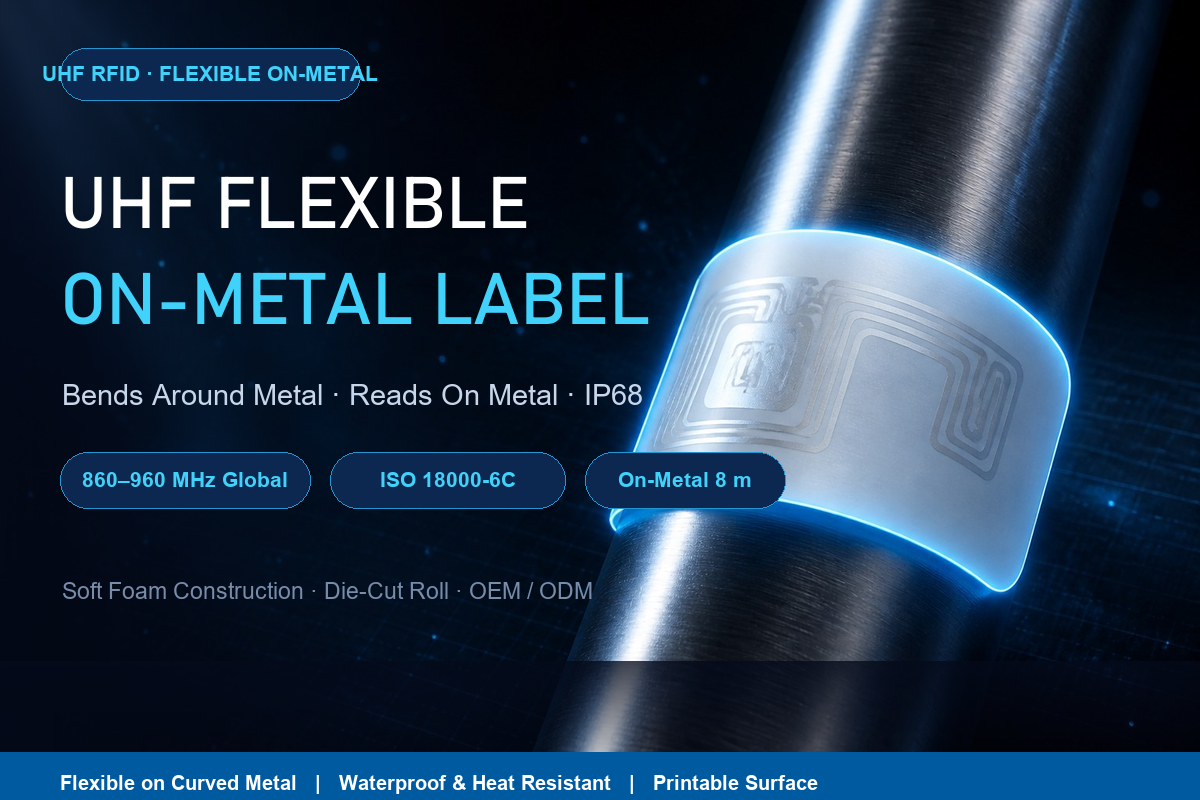
Standard UHF RFID tags detune when attached directly to metal surfaces — the metal reflects and absorbs RF energy, collapsing read range. Anti-metal (on-metal) tags solve this with a dielectric spacer or antenna cavity that isolates the chip from the metal. This makes them structurally different products from retail inlays: PCB or ABS housings, higher material cost, and — critically for buyers — a much wider spec-by-application variance (size, mounting, chip, frequency band, environment).
Read more
Copyright © ©Copyright 2024 Greatest IoT Technology Co., Ltd all rights reserved - Privacy policy
