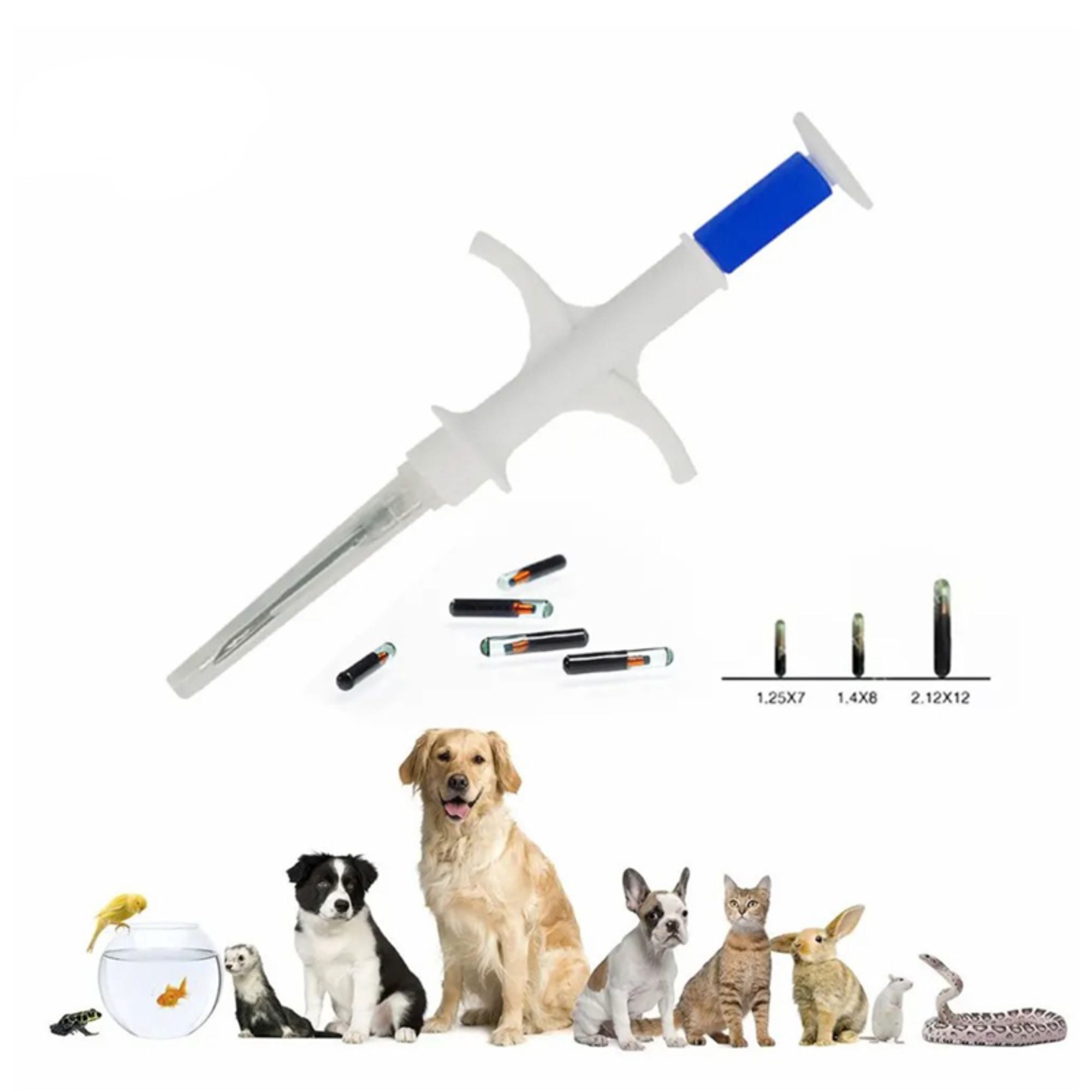
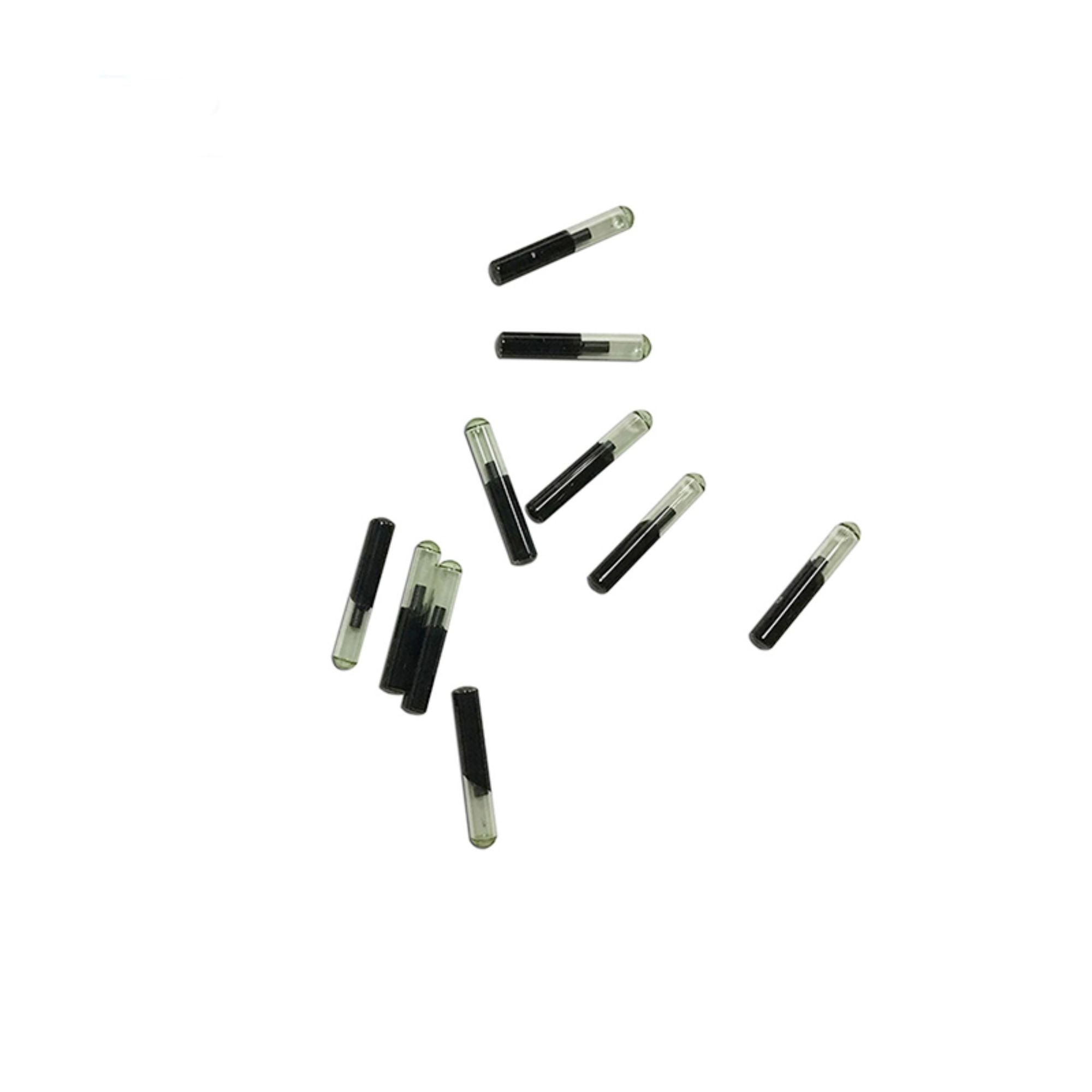
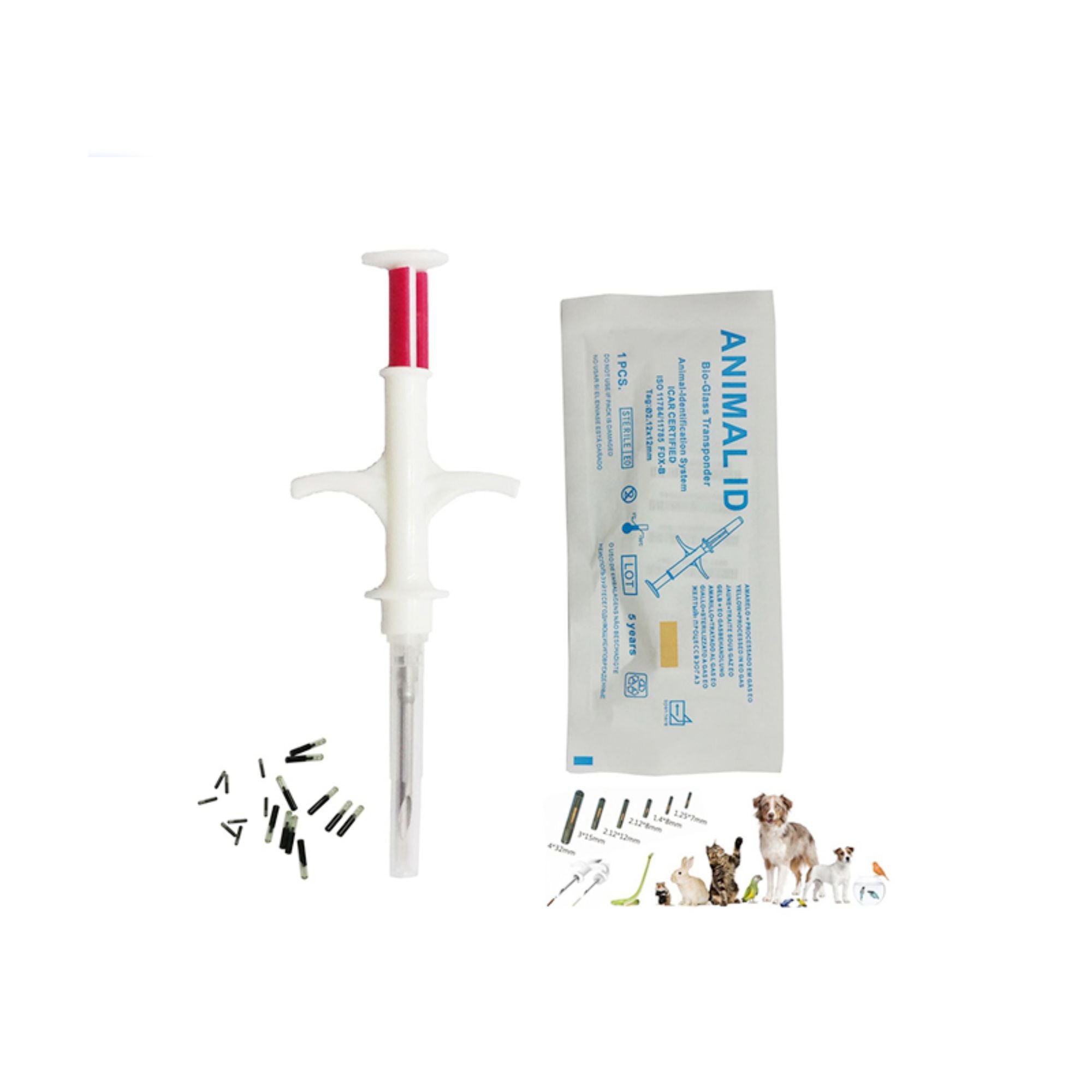
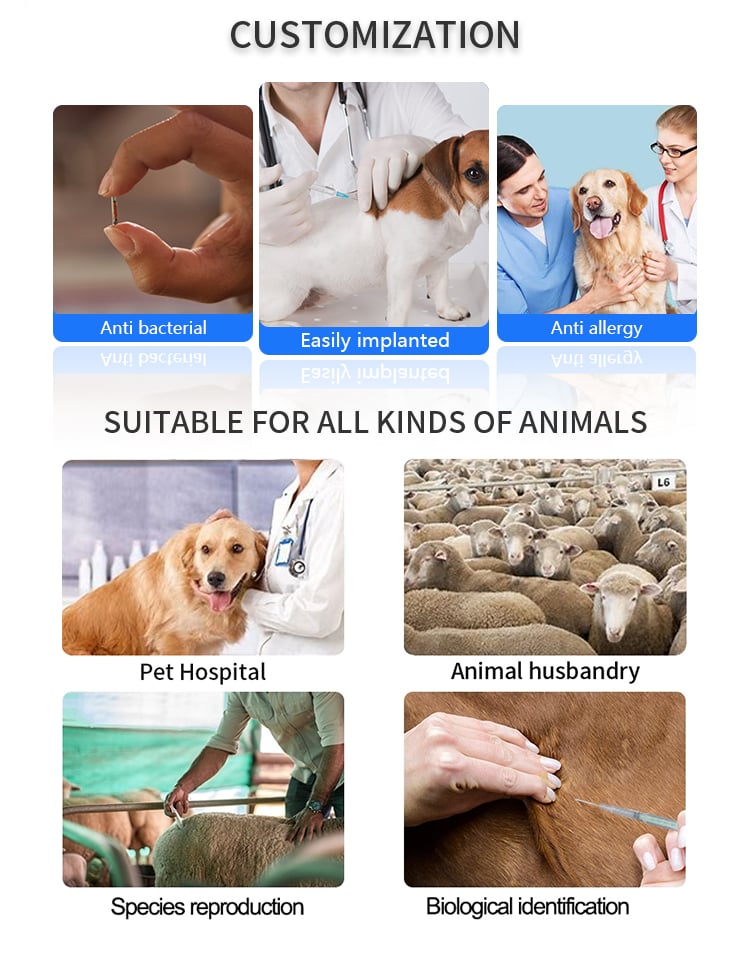
Een microchip is een radiofrequentie-identificatie (RFID) transponder die een uniek identificatienummer opslaat en ongeveer zo groot is als een rijstkorrel. De microchip wordt onder de huid van het dier geïmplanteerd. Wanneer gescand met een lezer, zendt de microchip zijn ID-nummer uit. Dit ID-nummer kan u helpen informatie over het dier en de eigenaar te vinden, indien toegevoegd aan een database.
Kenmerken:
1). Unieke identiteit voor elk veestapel- en huisdier.
2). Controle op invoer en uitvoer.
3). Vermist huisdier kan eenvoudig worden teruggeleid naar de eigenaar.
4). Dierenartsen kunnen het gezondheidsdossier van het dier bijhouden.
5). Gemakkelijk te implateren en heeft geen invloed op het dier.
6). Geschikt voor gebruik in extreme omstandigheden.
7). In combinatie met software is de RFID-tag essentieel voor het beheer van dieren, zowel vee als huiskamerdieren.
Toepassingen
Dierenasielen, dierenambtenaren en dierenartsen zoeken routinematig naar microchips om verloren huisdieren snel terug te brengen naar hun eigenaars, waardoor kosten voor onderdak, voedsel, medische zorg, bemiddeling en euthanasie worden vermeden. Veel asielorganisaties plaatsen chips in alle geadopteerde dieren.
Microchips worden ook gebruikt door fokkers, handelaren, trainers, rasregistraties, reddingsgroepen, dierenbeschermingsverenigingen, klinieken , boerderijen , stallen, dierenclubs en verenigingen, onderzoekers, en huisdierwinkels .
Gebruik
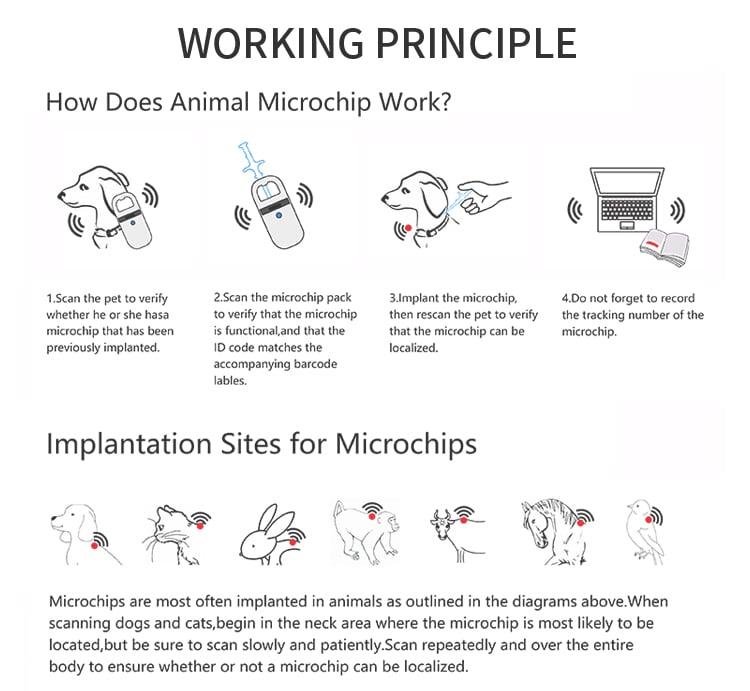
Microchips kunnen worden geïmplanteerd door een dierenarts of in een asiel. Nadat is gecontroleerd dat het dier nog geen chip heeft, spuit de dierenarts of technicus de chip met een spuit en registreert het unieke ID-nummer van de chip. Er is geen verdoving nodig, omdat het een eenvoudige ingreep is die weinig ongemak veroorzaakt; de pijn is minimaal en van korte duur.
Standaardunits zijn omsloten door biocompatibel glas, waardoor ze onschadelijk zijn voor dieren. De optionele paryleencoating verbetert en versnelt de hechting van het weefsel, waardoor verplaatsing van subcutaan geïmplanteerde tags bij huisdieren, vissen of proefdieren wordt voorkomen.
Bij honden en katten wordt de chip meestal onder de huid geplaatst aan de achterkant van de nek, tussen de schouderbladen op de dorsale middenlijn.
Paarden worden gemicrochipt aan de linkerkant van de nek, halverwege tussen de kruin en het schoftbeen en ongeveer één inch onder de middenlijn van de manen, in het nuchale ligament.
Parameter
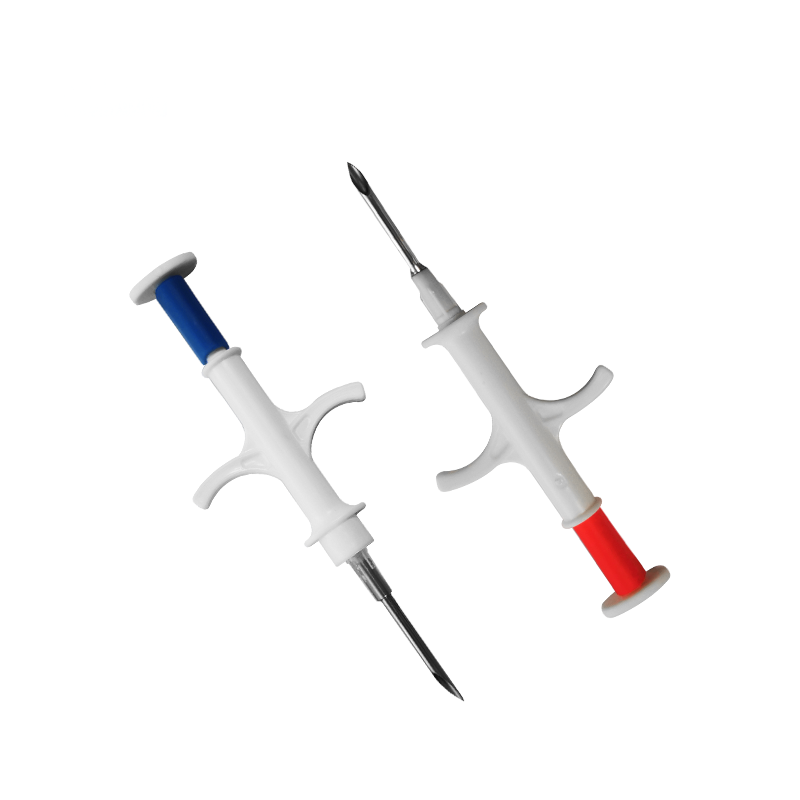
Dier voor het laden Id microchip met spuit, gesteriliseerd
Fysieke parameters
Schrijven
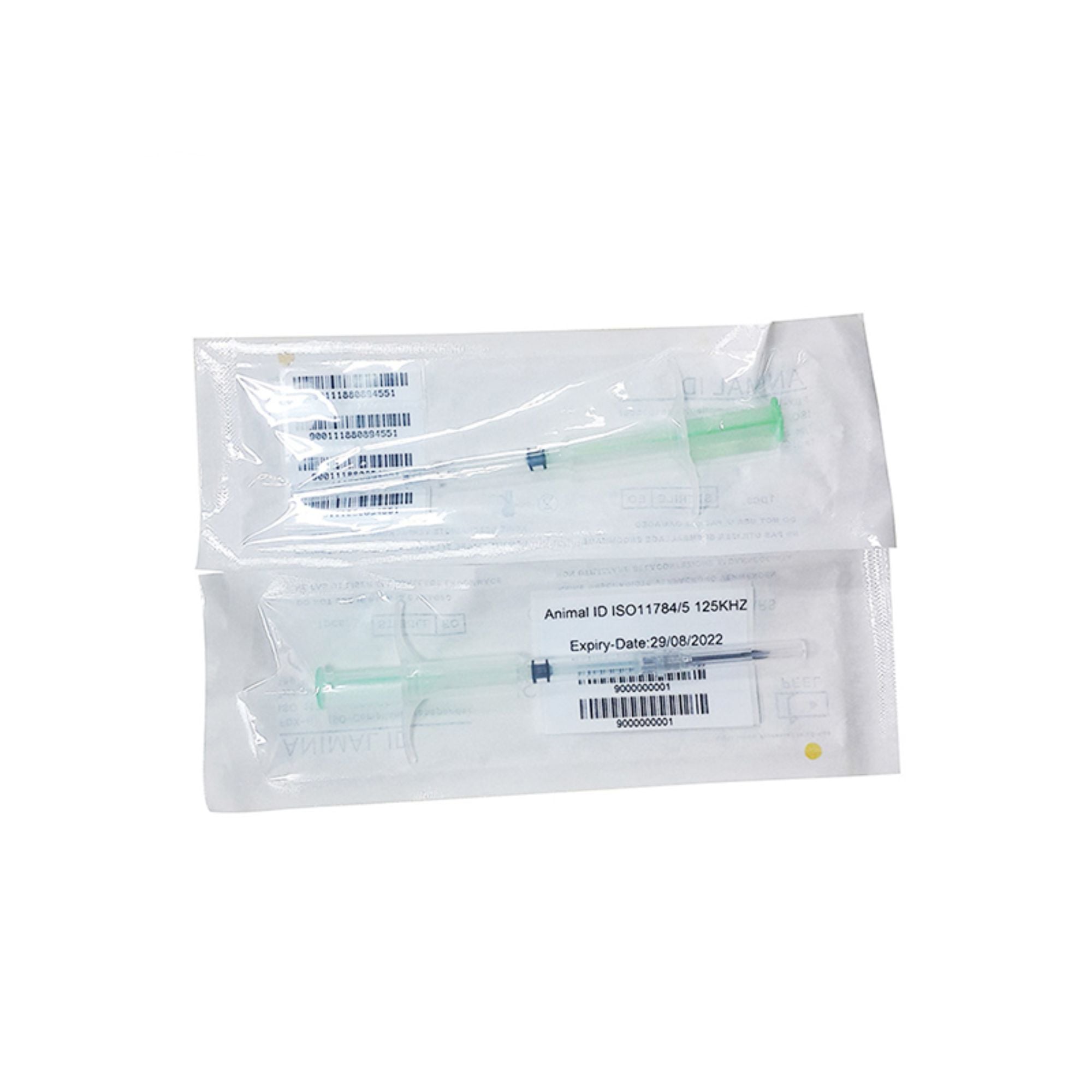
1pc spuit met 1 pc microchip
Kenmerk
Uniek identiteit getallen voor elk de tag, 15 cijfers aantal (kan - Wees je eigen man. zed).
Afmeting
1,25 x 7 mm, 1.4x 8 mm, 2,12 x 12 mm, enz.
Microchip Materiaal
Biochemisch glas, paryleencoating
Ingevoerd rechtstreeks van hid en
Smartrac
Spuit
Groen, rood, blauw, wit voor optie
Sterilisatie
- gas, 5 jaren garantie
Certificaat
ICar
Installatie
Deurinjectie
Microchip Functie
de middelste lijn van de schouder bla de, of oOR wortel