

Home > Products > RFID TAG > RFID Library Tag
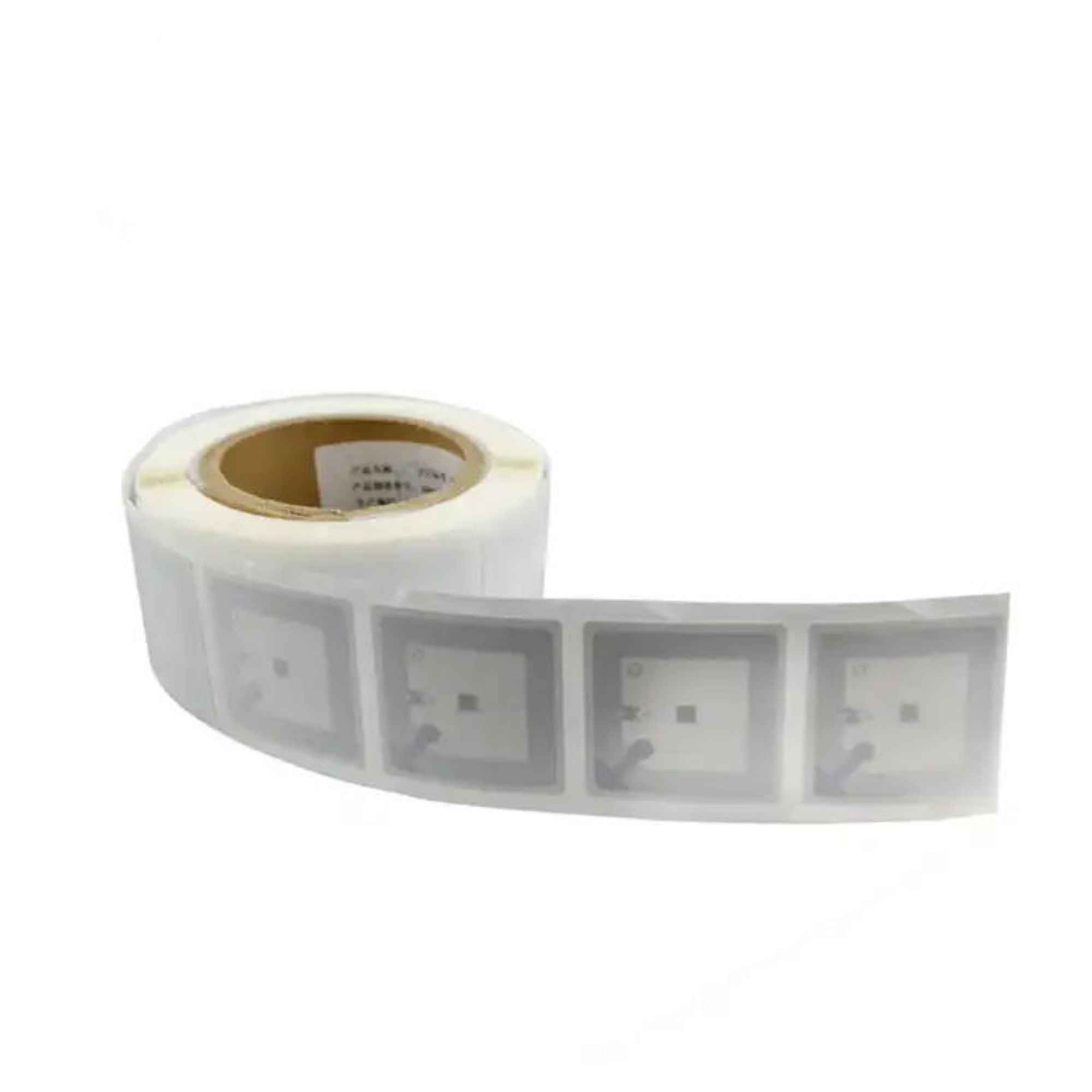
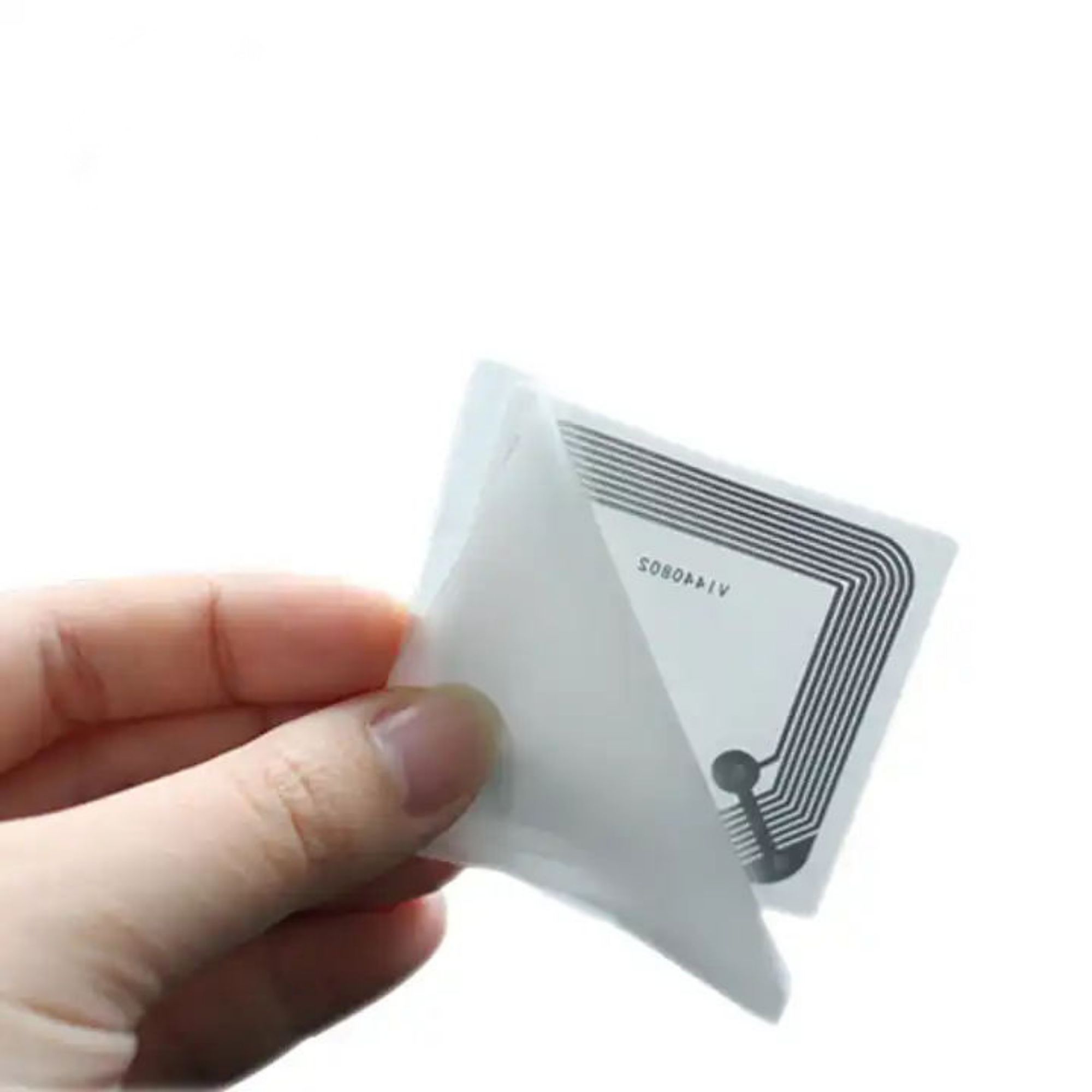
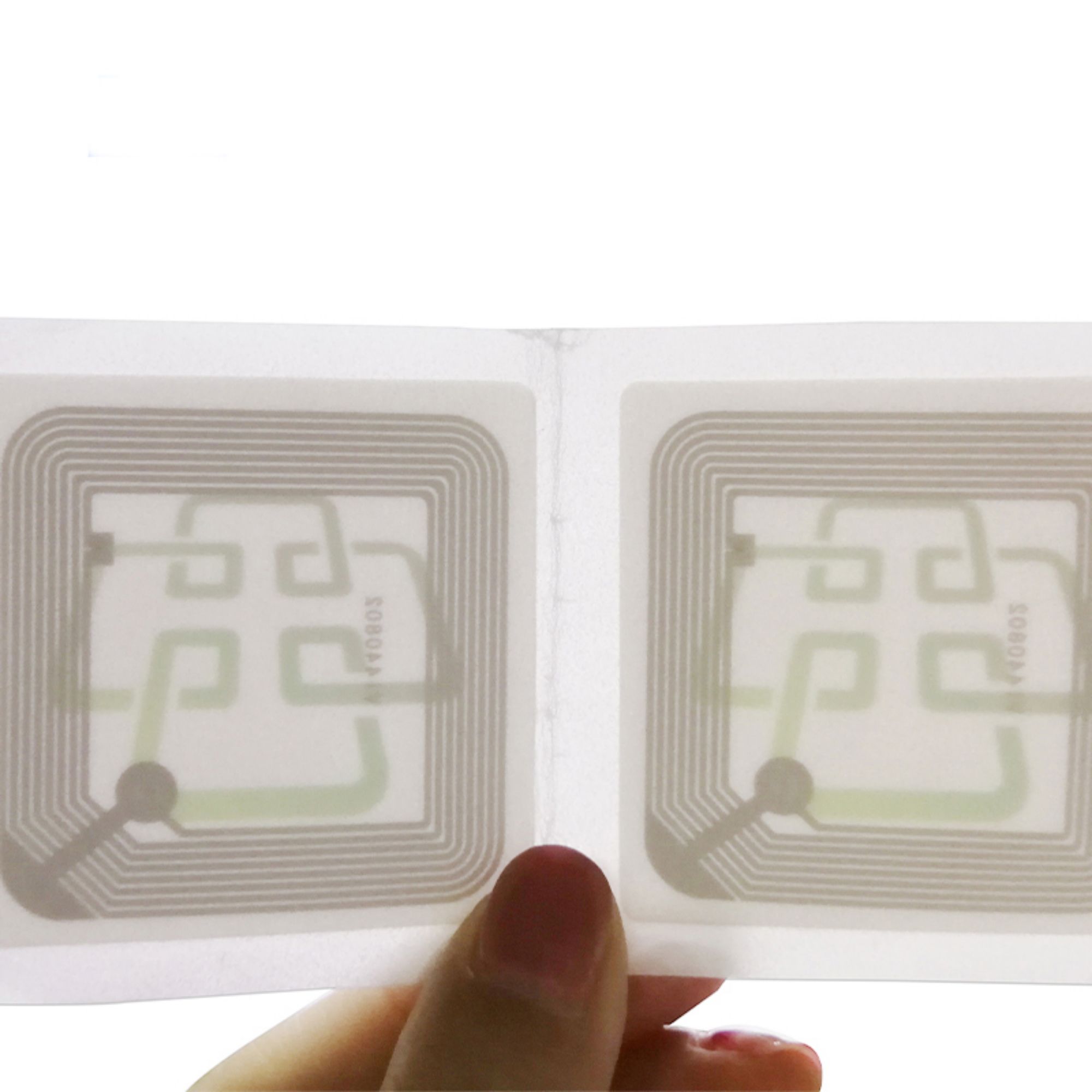
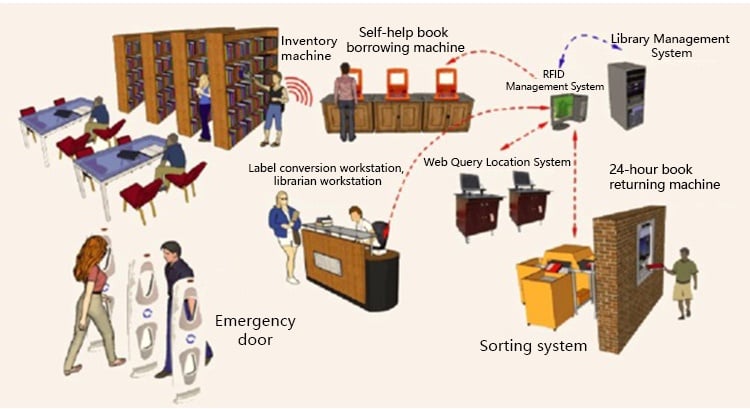
RFID Library tags that are widely used for automatic data capture in Library applications such as academic, public, corporate, and others. These Library Labels are highly reliable, durable, and efficient enough to be easily read by the reader for verification and identification. These tags are placed inside the books or sideways of books for pulling the information and tracking the history of the books. For the library, these tags provide convenient solutions for self-check-in/check-out, RFID gate, library article return, product sorting, theft prevention, and queue busting. These tags have the ability to store information relating to the specific item to which they are attached, and rewrite again without any requirement for contact or line of sight. Data within a tag may provide identification for an item, proof of ownership, original storage location, loan status, and history. The chip also has a “multi-read” function, which means that several tags can be read at once.
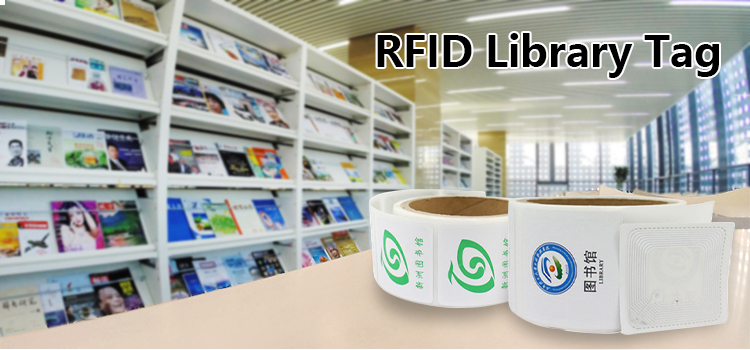
RFID Library systems can be set up using different subsets of the RFID spectrum, most commonly using HF (High Frequency), NFC (Near Field Communication), and UHF (Ultra-High Frequency). Below are the key differences in these types of RFID technology:
HF- HF can read tags up to three feet away and is commonly used with library books, ticketing, and payments. HF RFID systems can also read multiple tags at once. Additionally, this frequency range performs well when tracking items involving metal and water.
NFC- A subset of HF, NFC transmits and receives data at only a few centimeters, making it ideal for close-range reading. Because smartphones are often used as the reader in an NFC system, the technology is convenient and affordable. NFC is ideal for RFID beginners and small-scale systems.
UHF- UHF, also known as RAIN RFID, has a read range between ten and thirty feet. Due to its longer read range, this frequency has many typical applications in industries like retail, healthcare, transportation, and manufacturing. However, due to UHF’s shorter wavelengths, this frequency is more susceptible to interference from metal and water.
By using RFID to create smart systems, libraries can make locating and tracking assets hassle-free.
Parameter:
Production name |
RFID Books Library Sticker Tag Label |
Chip |
ICODE® SLIX UCODE 8 UCODE 9 |
Protocol |
HF:ISO15693 UHF:ISO8000-6C EPC global C1Gen2 |
Memory |
HF:1kbyte 504 byte |
Frequency |
HF:13.56MHz UHF:860 - 960 MHz |
Size |
50*50mm or customized |
Material |
Coated paper,PVC, PET |
Read Range |
HF:0-5cm(depends on the reader and antenna) UHF;3 ~ 13 m(depends on the reader and antenna) |
Carft |
Single color or Multi-color Printing,Barcode or QR Code printing,Data encoding,etc. |

Copyright © ©Copyright 2024 Greatest IoT Technology Co., Ltd all rights reserved - Privacy policy