01
Passive read/write operation
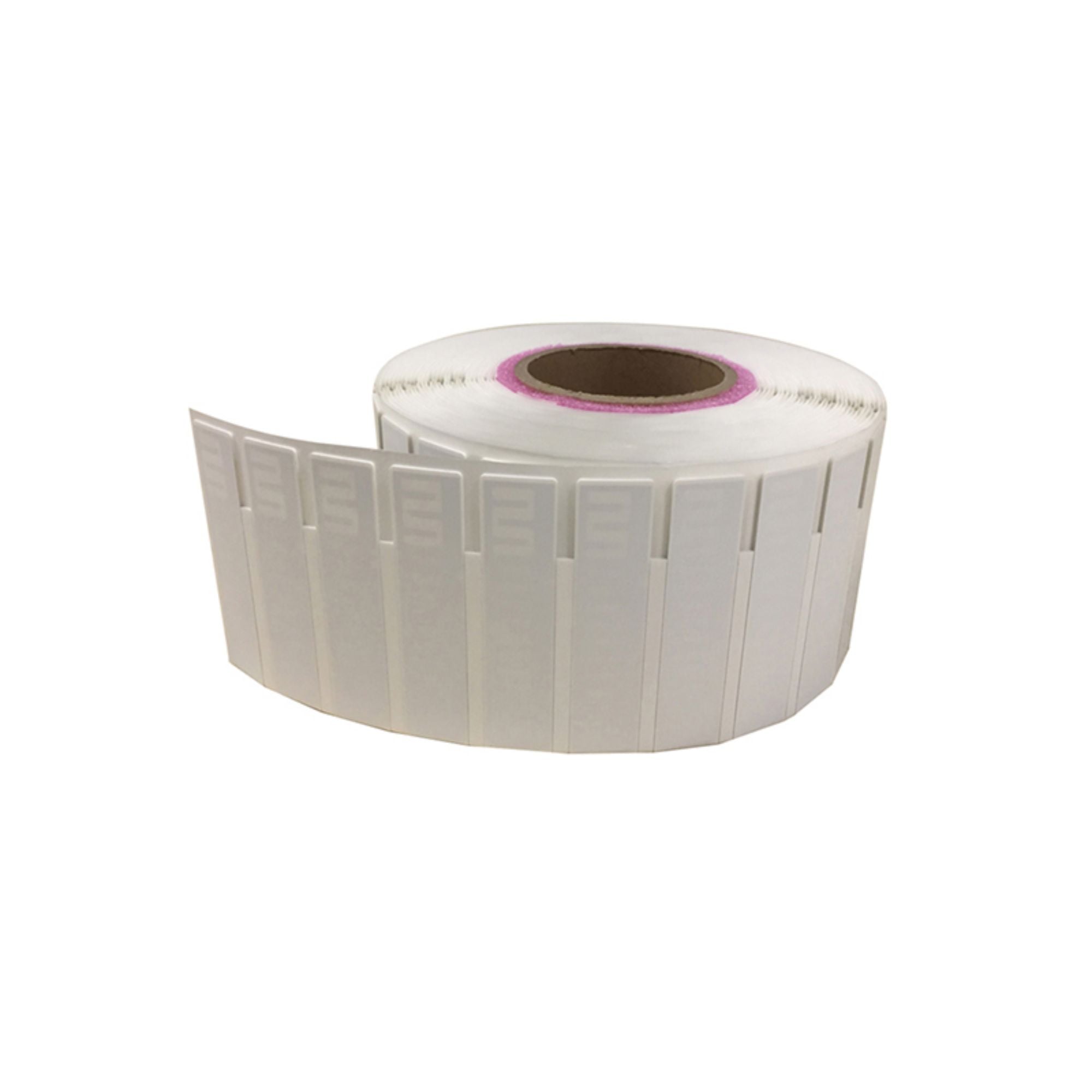
Use passive RFID technology as a compact identification layer within a compatible UHF RFID system.

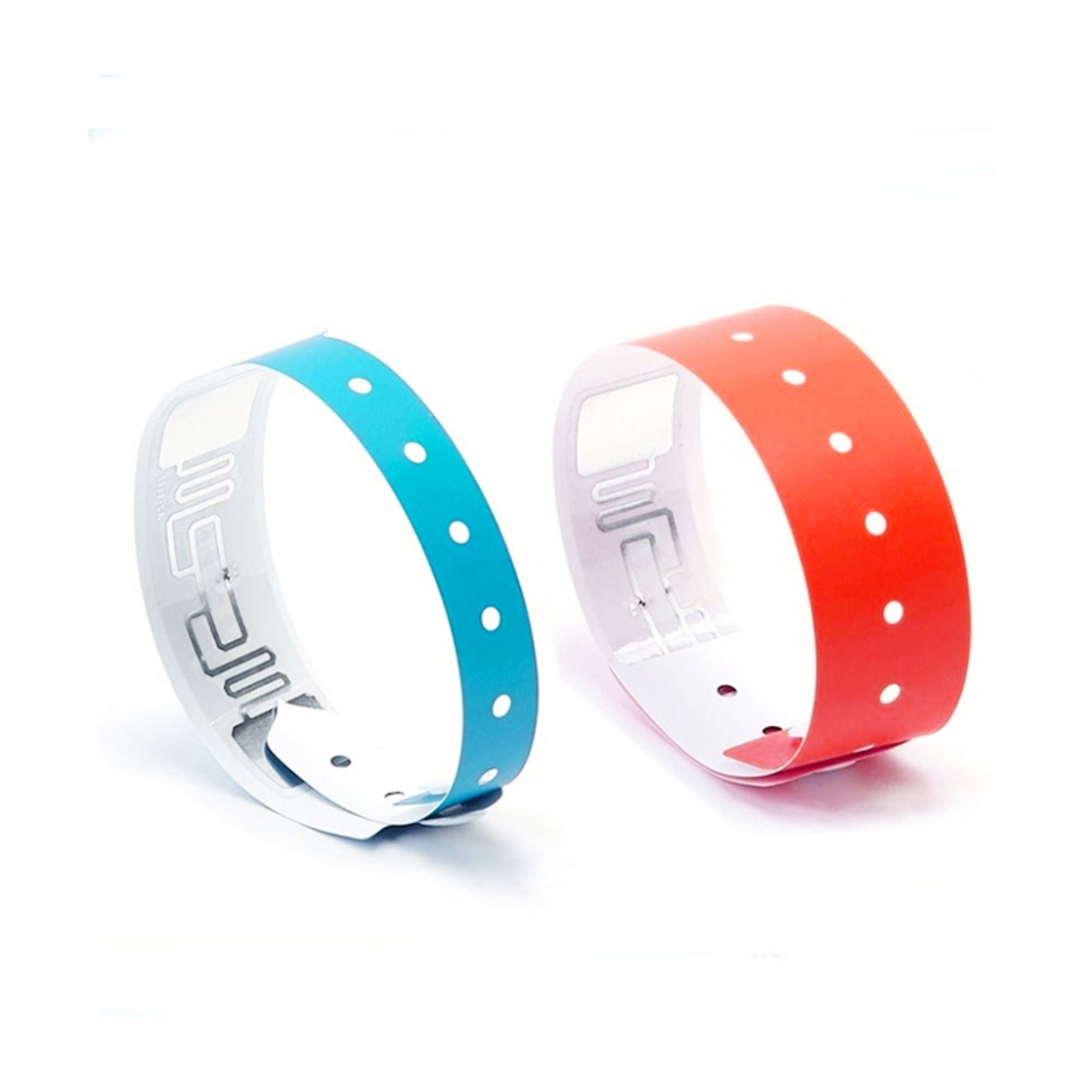
Support item identification, printing, encoding, and adhesive application with passive UHF RFID tags for payment, ticketing, e-payment, advertising, packaging, logistics, retail, and custom projects.

Start with your application and build the tag format around the surface, reader, data, printing, and workflow requirements.
Use passive RFID technology as a compact identification layer within a compatible UHF RFID system.
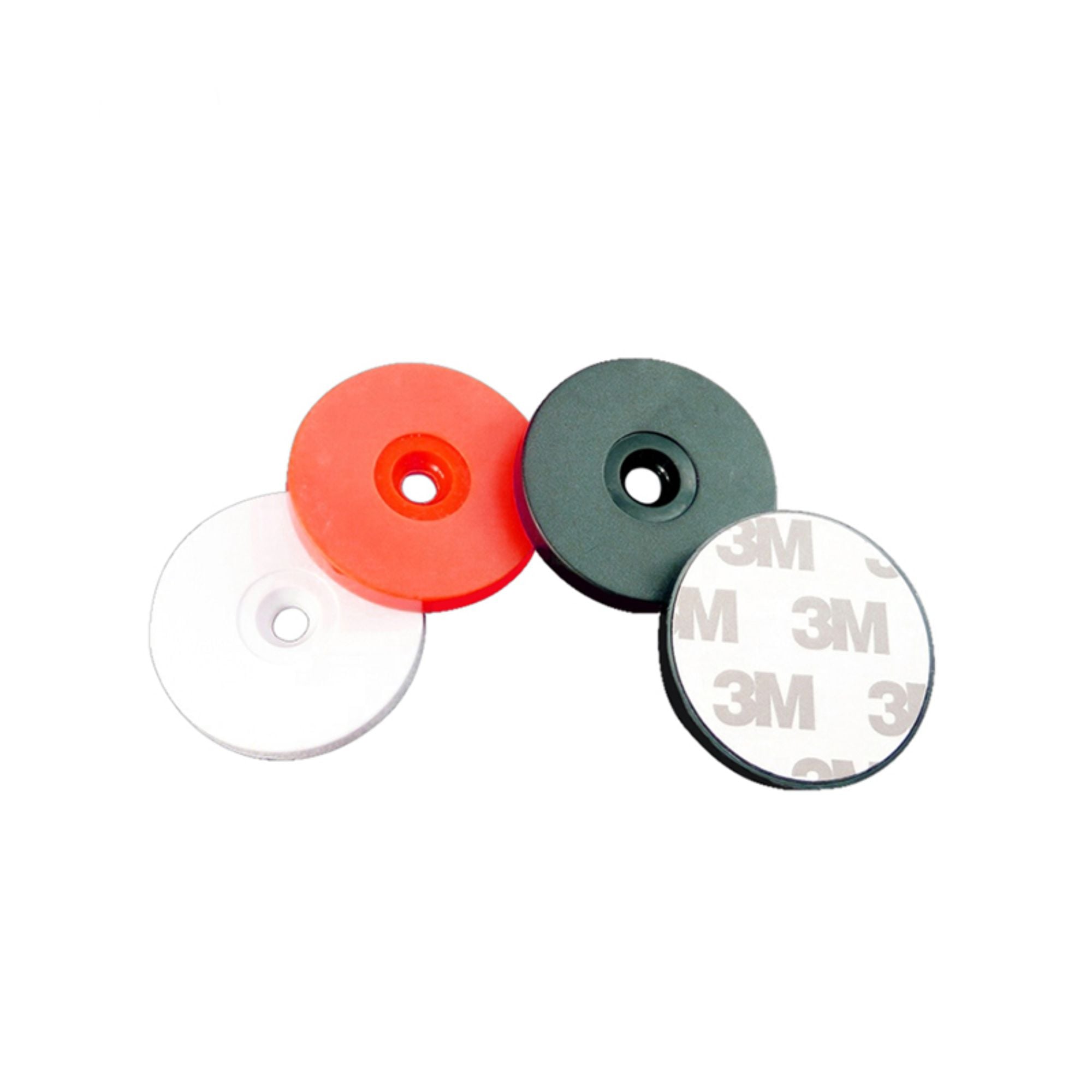
Evaluate round, square, and customized tag dimensions for different products, packaging, cards, tickets, and labels.
Combine human-readable serial numbers, QR codes, barcodes, and RFID encoding in one label workflow.

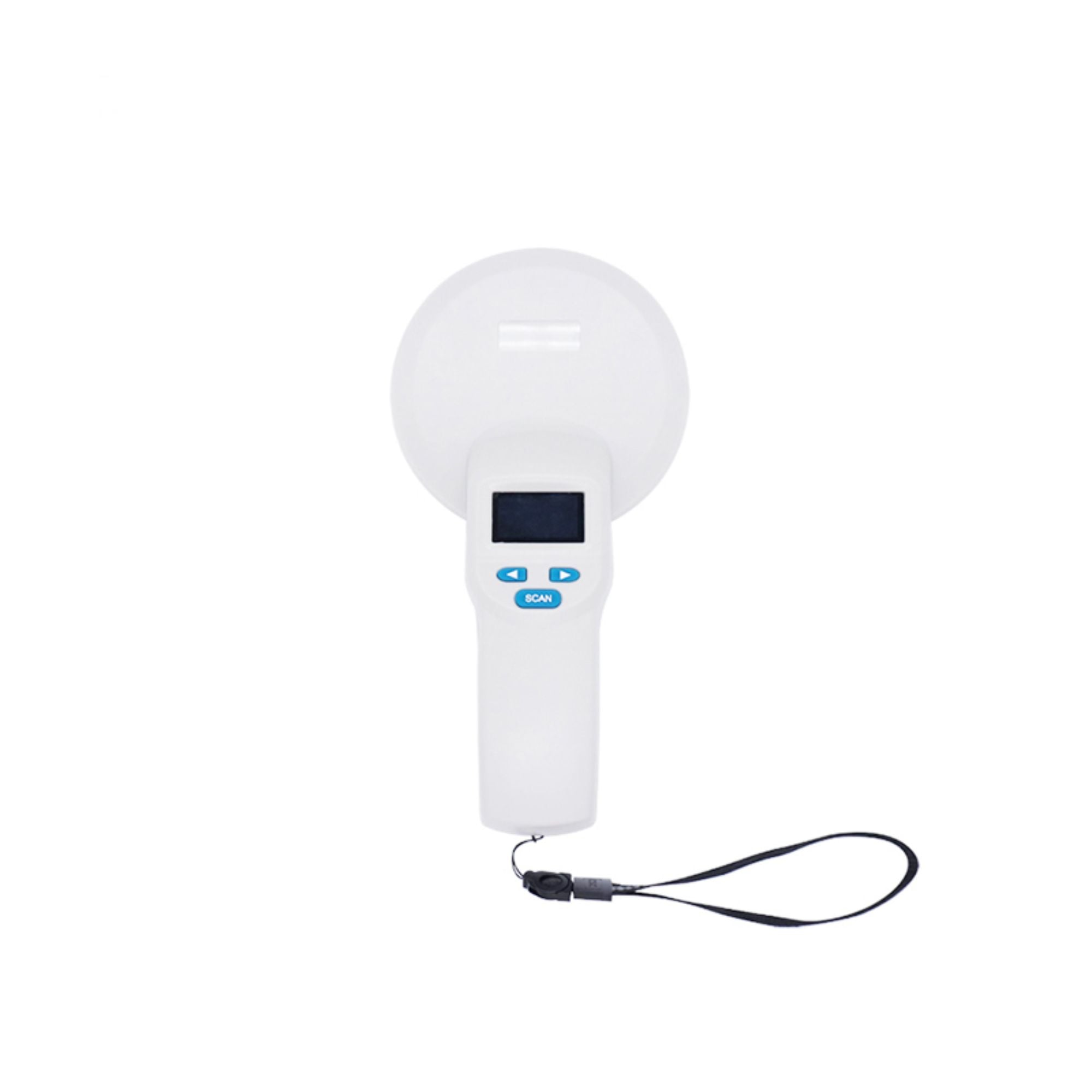
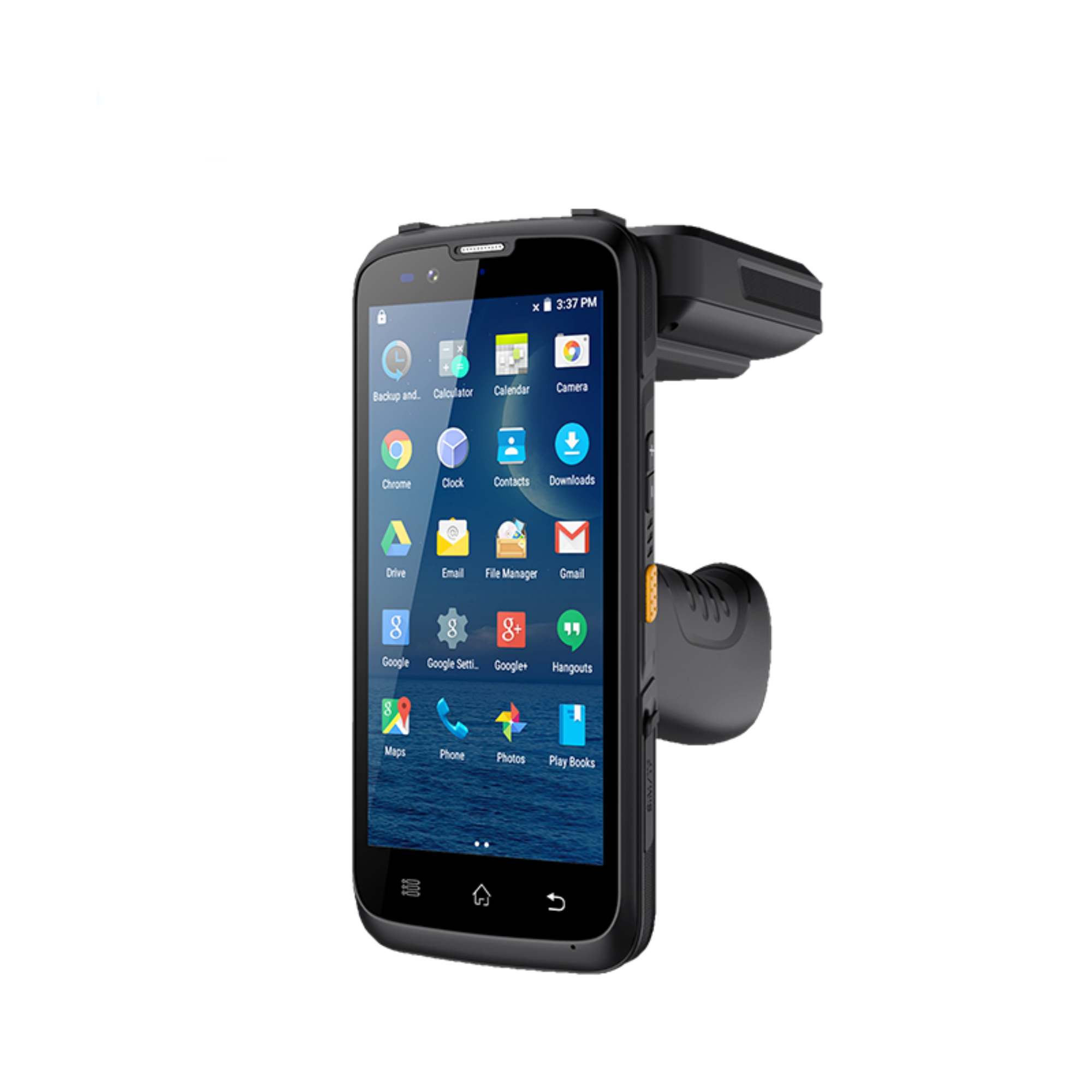
The tag can be evaluated around your reader, antenna, surface, printing, and data requirements. Use the physical label and digital tag identity together in one deployment.
Use the table below as a starting point for project evaluation. Final performance should be confirmed with the selected reader, antenna, surface, and application environment.
| Item | Specification |
|---|---|
| Product type | Passive, read/write UHF RFID tag |
| Tag material options | Coated paper, paper, thermal paper |
| Frequency | 860–960 MHz |
| Chip options listed | Alien H3 / H4; Monza 4 / 5 / 6 |
| Protocol | EPCglobal Class 1 Gen2 / ISO 18000-6C |
| Reading distance | Up to 6 m, depending on system and test conditions |
| Memory listed | EPC 96 bits; User 512 bits; TID 64 bits |
| Printing | CMYK offset printing; silk printing |
| Customization | Serial number, QR code, barcode, encoding, and approved options |
| Attachment method | Adhesive |
| Working temperature | -20°C to +65°C |
| Sizes listed | Round: 50 / 40 / 30 / 25 mm diameter; square: 50 × 50 / 40 × 40 / 29 × 29 mm; customized sizes available for evaluation |
| Packaging listed | 1,000 pcs/roll or 2,000 pcs/roll |
* “Up to 6 m” is a stated maximum, not an unconditional guarantee. Actual reading distance depends on the chip, antenna, reader, tag orientation, mounting surface, interference, and system configuration.
Use one configurable tag platform across multiple project types, then validate the final design with your actual reader and software.

Support compatible payment identification workflows with printed and encoded tags.
Combine tag identity, printed information, reader position, and software rules.
Add serial numbers, QR codes, barcodes, or customized artwork to campaign labels.
Review the format around your target surface, reader, data, and delivery requirements.
A clear pre-production process helps reduce compatibility surprises and keeps the physical label aligned with the digital workflow.
Share the intended use, target surface, environment, reader, and expected workflow.
Define size, material, chip, EPC serialization, printing, barcode, QR code, and encoding needs.
Evaluate reading consistency, adhesive performance, print quality, and data encoding on real equipment.
A passive UHF RFID tag is powered by the radio signal from a compatible reader rather than an internal battery. It returns identification data to the reader and may support writing when the chip and system allow it.
The supplied specification lists 860–960 MHz. Confirm the final regional frequency, reader, antenna, and application requirements before production.
Yes. The supplied specification lists serial numbers, QR codes, barcodes, CMYK offset printing, and silk printing as available options.
Yes. Listed options include several round and square sizes, with customized formats available for project evaluation.
The specification lists EPCglobal Class 1 Gen2 / ISO 18000-6C. Confirm compatibility with the selected reader, middleware, and application software.
The supplied specification states that samples are available. Contact the supplier to confirm current sample policy, lead time, shipping terms, and encoding options.
Send your application, tag size, chip preference, printing requirements, encoding format, reader model, and estimated quantity. We will help review the specification and prepare a quotation.
Copyright © ©Copyright 2024 Greatest IoT Technology Co., Ltd all rights reserved - Privacy policy