Every year, millions of pets go missing — and only a fraction are reunited with their owners. A microchip, no bigger than a grain of rice, is one of the most effective tools we have to change that. Here's everything you need to know about how they work, why they matter, and what to do after your pet gets chipped.
What exactly is a microchip?
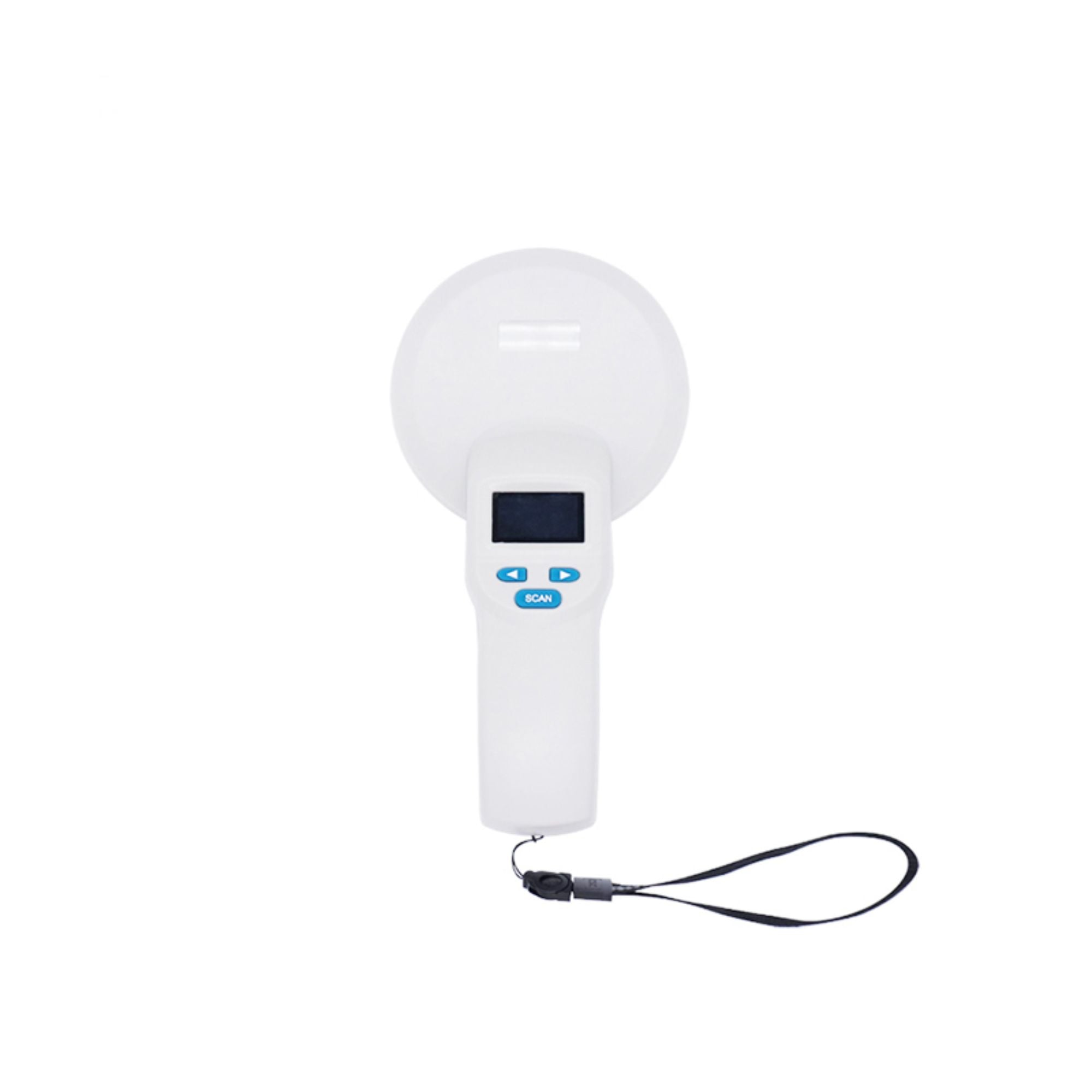
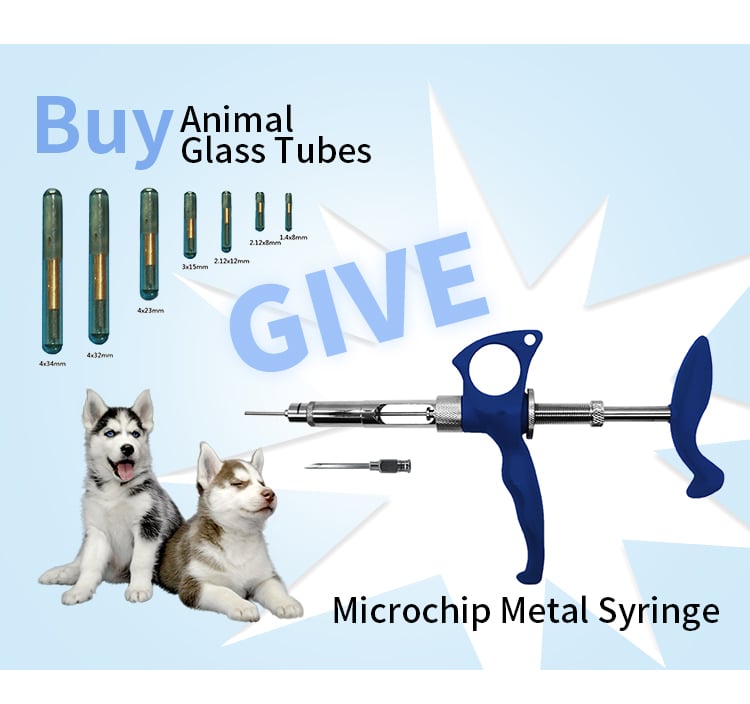
A pet microchip is a passive RFID (Radio Frequency Identification) transponder encased in a biocompatible glass capsule, roughly 12mm long. It carries no battery — instead, it draws power from the scanner's radio wave to transmit a unique 15-digit identification number. That number is linked to your contact information in a pet registry database.
The chip doesn't track your pet's location — it's not a GPS device. Think of it like a permanent ID card embedded under the skin, readable by any compatible scanner at a shelter, vet clinic, or animal control facility.
How is it implanted?
1
Quick injection
The chip is inserted with a hypodermic needle, typically between the shoulder blades. The procedure takes seconds and feels similar to a routine vaccination — no anesthesia required.
2
Tissue anchoring
Over the following weeks, natural tissue growth anchors the chip in place. Migration is rare with modern chips, which feature an anti-migration coating.
3
Register the number
The chip is useless without registration. Your vet will provide the chip ID — you must enter it into a national pet database like PetLink, HomeAgain, or AKC Reunite within 24–48 hours.
4
Keep it updated
If you move or change your phone number, update your registry immediately. This is the step most owners forget — and it's the most critical.
Which animals can be microchipped?
Microchipping is common in dogs and cats, but the technology extends to horses (typically in the neck), birds, reptiles, rabbits, and even fish in some aquaculture settings. Most countries require microchipping for travel across international borders regardless of the species.
Common myths, cleared up
Myth: "My pet wears a tag — that's enough." Collars and tags can fall off or be removed. A microchip stays for life and can't be lost.
Myth: "The chip will track my pet's location." Microchips are passive RFID — no GPS, no battery, no real-time tracking. They only work when scanned at close range.
Myth: "It's painful." Most pets show no reaction at all. The needle is slightly larger than a vaccine syringe, but the discomfort is brief and minimal.
Myth: "Once chipped, I'm done." The chip is permanent, but your registration details aren't automatic. You must keep your contact info current in the database.
Copyright © ©Copyright 2024 Greatest IoT Technology Co., Ltd all rights reserved - Privacy policy