News

News

Home >  News

RFID Anti Liquid Tag: Why UHF Fails on Bottles and How to Fix It

2026-10-20

What Is an RFID Anti Liquid Tag?

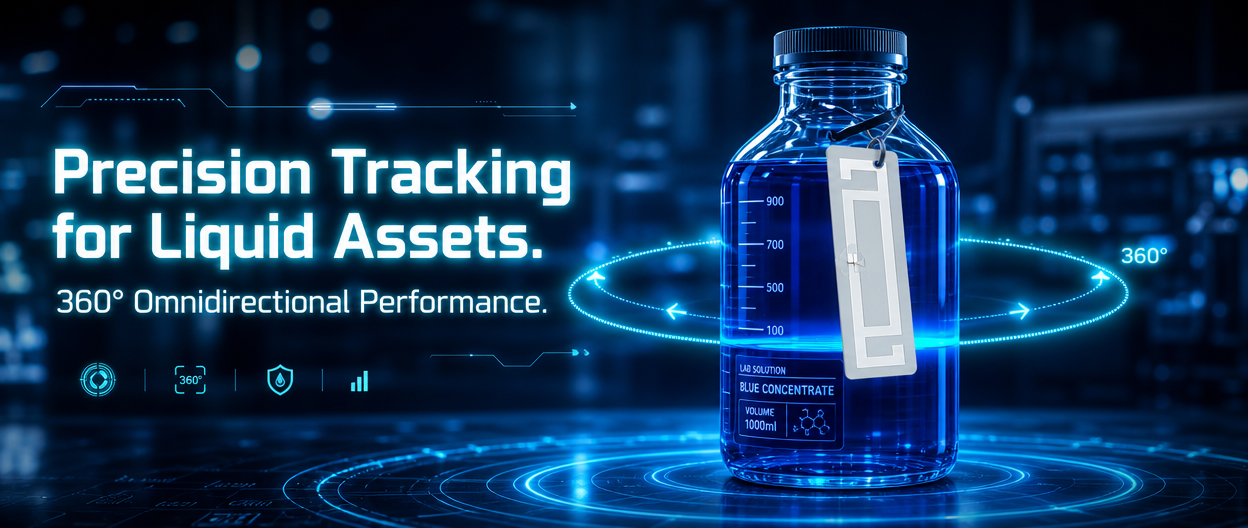
An RFID anti-liquid tag is a UHF RFID label built to keep its antenna electrically isolated from the liquid inside a container, so the tag can still be read when applied to bottles, vials, cans, or drums. A standard UHF inlay placed directly on a water bottle often fails outright or loses most of its range. An anti-liquid construction — typically a thick, low-loss spacer layer between the inlay and the container wall — restores usable performance.

The key point for buyers is this: "anti-liquid" is not a coating or a marketing adjective. It is a structural property of how the inlay sits relative to the liquid, and it has to be validated on your actual container, fill level, and reader setup.
img-mu3iu8ed-f61dd4f5.png

Why Liquids Break UHF RFID

UHF RFID (860–960 MHz) uses far-field backscatter: the reader radiates energy, the tag antenna harvests it, modulates it, and reflects it back. Anything that changes the electromagnetic environment right next to the antenna changes the tag's behaviour.

Liquids do this in three ways at once:

  1. High permittivity detunes the antenna. Water has a much higher dielectric constant than air. The tag antenna was tuned for a specific environment; putting high-permittivity material against it shifts the resonant frequency, so the antenna is no longer matched to the reader's band.
  2. Higher conductivity raises loss. Research on UHF tags on liquid bottles found that the presence of liquid increases the loss resistance in the tag antenna's equivalent circuit, which directly reduces the power available to the chip.
  3. Energy is absorbed and reflected, weakening the backscattered signal. Liquids absorb and reflect RF energy, so what returns to the reader is weak and may not be detected.

Academic work on liquid-filled bottles summarises the design problem as driven by "high conductivity, high permittivity, and the variety of liquids" — meaning the same tag design does not behave identically on water, syrup, alcohol, oil, or saline.

Practical consequence: a tag that reads reliably on a dry carton can fail on a filled bottle in the same position. This is a physics problem, not a defective product.

Choosing the Right Frequency for Liquid Products

Frequency choice is where most projects should start, because it decides how much engineering the tag needs.

Band Behaviour near liquid Read range Typical liquid use
LF (125–134 kHz) Tolerant of liquid and metal Very short Vials, tubes, short-range identification
HF / NFC (13.56 MHz) Reasonably tolerant; short controlled range A few centimetres to ~1 m with large antennas Sample tubes, small healthcare items, tap-based records
UHF (860–960 MHz) Strongly affected; needs anti-liquid design Long, but degraded by liquid unless engineered Pallet and case-level beverage tracking, warehouse receiving

Where Anti-Liquid Tags Are Used

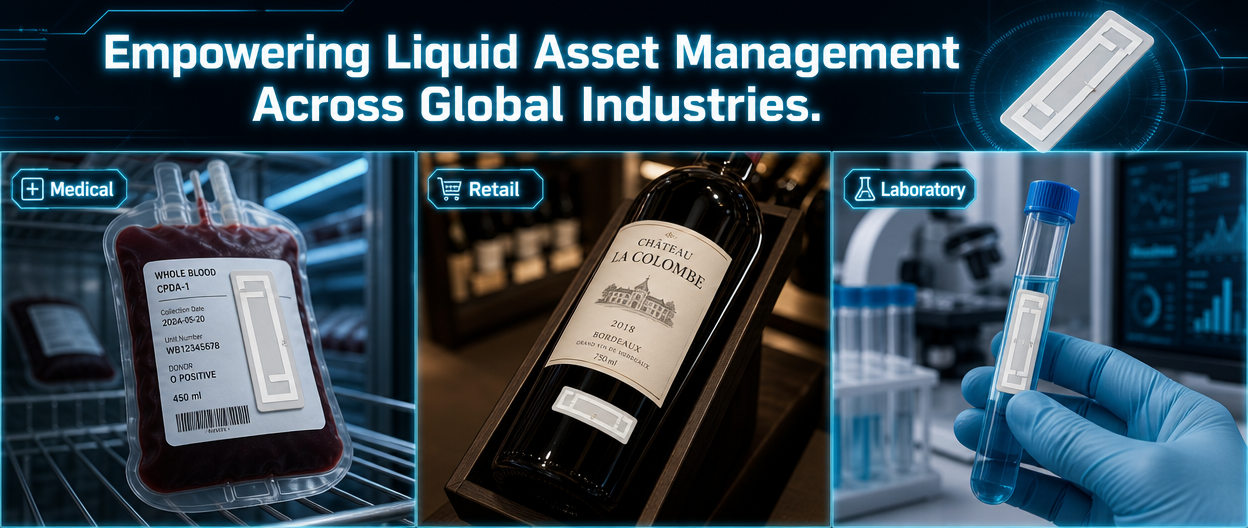
  • Bottled water and soft drinks — case and pallet tracking through filling, warehousing, and dispatch
  • Cosmetics and perfume — high-value liquid SKUs where a plain inlay fails on the bottle
  • Pharmaceutical and vaccine vials — vial-level traceability where the container is almost entirely liquid
  • Blood and laboratory sample tubes — small-diameter containers, often flagged rather than flat-labelled
  • Chemical drums and containers — combined with chemical-resistant face materials
  • Liquid food and dairy — batch traceability where chilled conditions also affect performance
  • Wine and spirits — serialisation and anti-counterfeit use on glass bottlesimg-mu3j4h1u-4169da0a.png

    Specification Checklist Before You Order

    1. Container material and wall thickness — PET, glass, HDPE, and thin-wall bottles behave differently.
    2. Liquid type — water, sugar syrup, alcohol, oil, and saline have different dielectric behaviour; do not assume one tag fits all.
    3. Fill level and its consistency — this decides whether "above the fill line" is a viable strategy.
    4. Container diameter and curvature — tight radii force smaller antennas or flag designs.
    5. Label panel area — a thick anti-liquid label needs more space than a standard inlay.
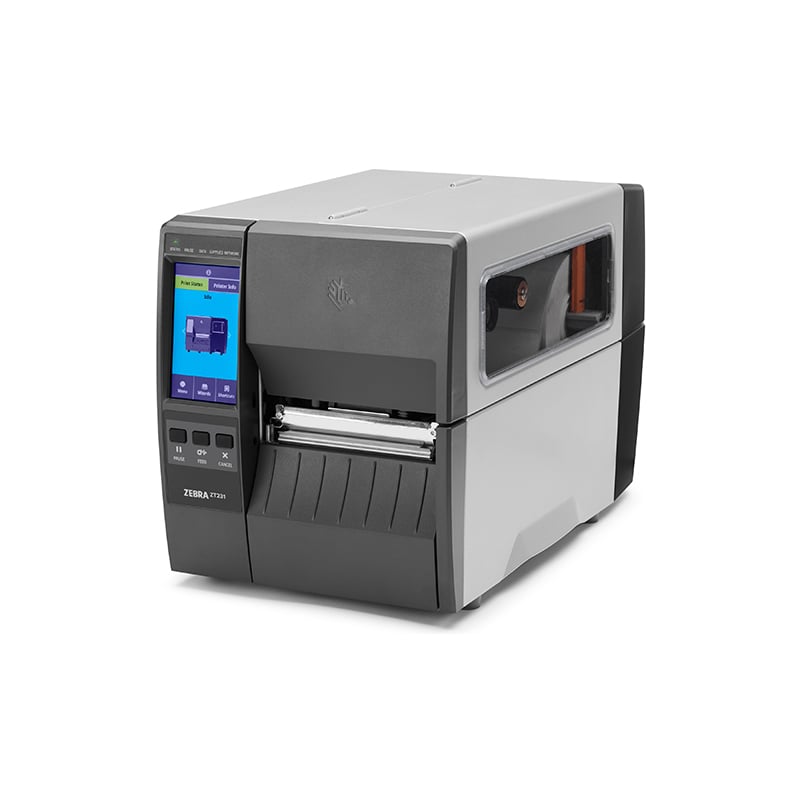
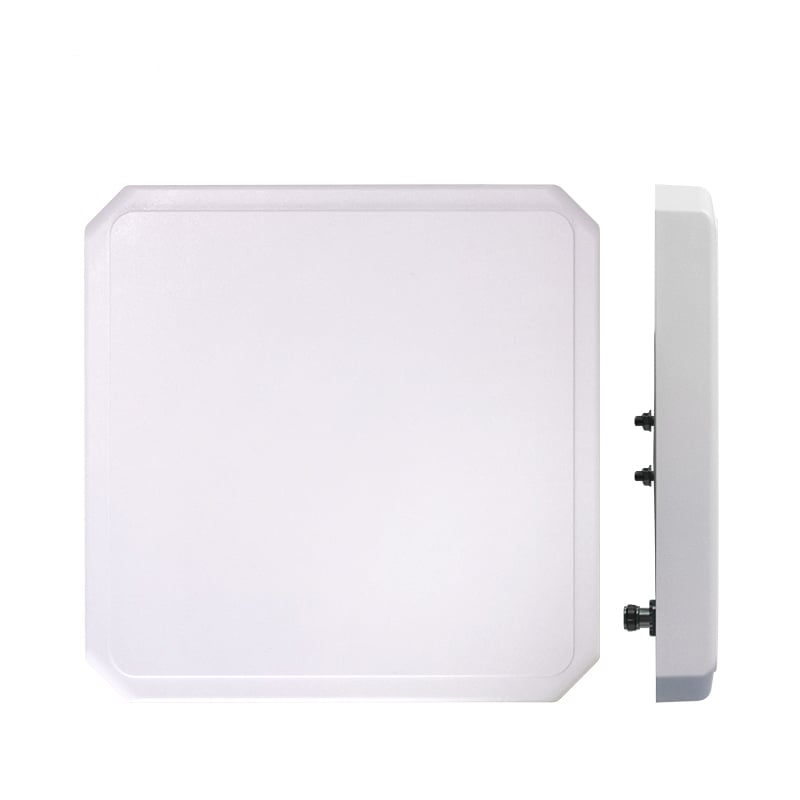
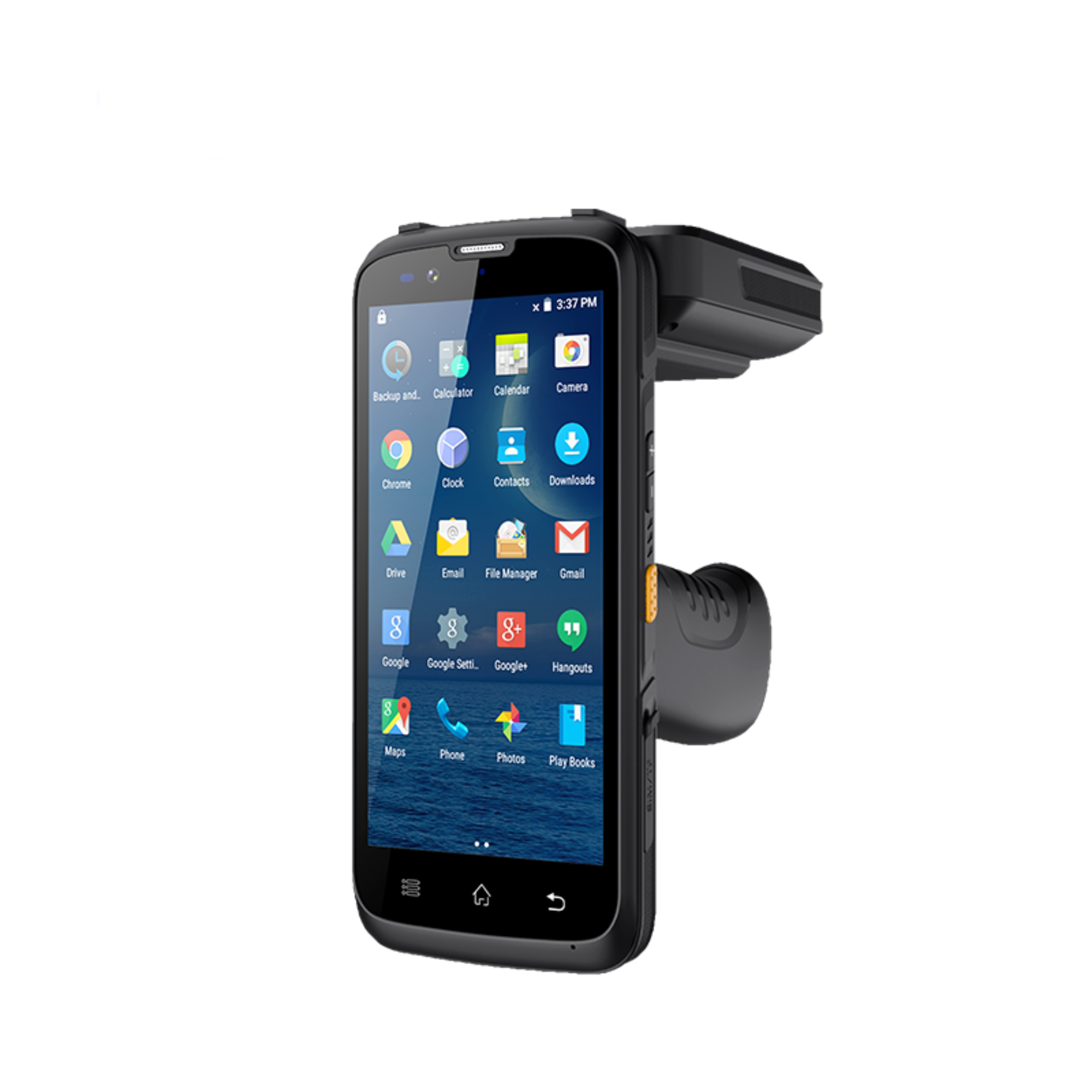
    6. Reader type, power, and antenna — a handheld at close range and a fixed portal reading a moving pallet are different problems.
    7. Read point and orientation — tags on a pallet can be shielded by neighbouring bottles; orientation matters as much as range.
    8. Environment — chilled, frozen, humid, or washdown conditions all change both the tag and the adhesive.
    9. Application method — manual, print-and-apply, or pre-applied by the container supplier.
    10. Compliance and disposal requirements — especially for food-contact and pharmaceutical packaging.
Recommended Products

Related Search

GET IN TOUCH

Copyright © ©Copyright 2024 Greatest IoT Technology Co., Ltd all rights reserved  -  Privacy policy