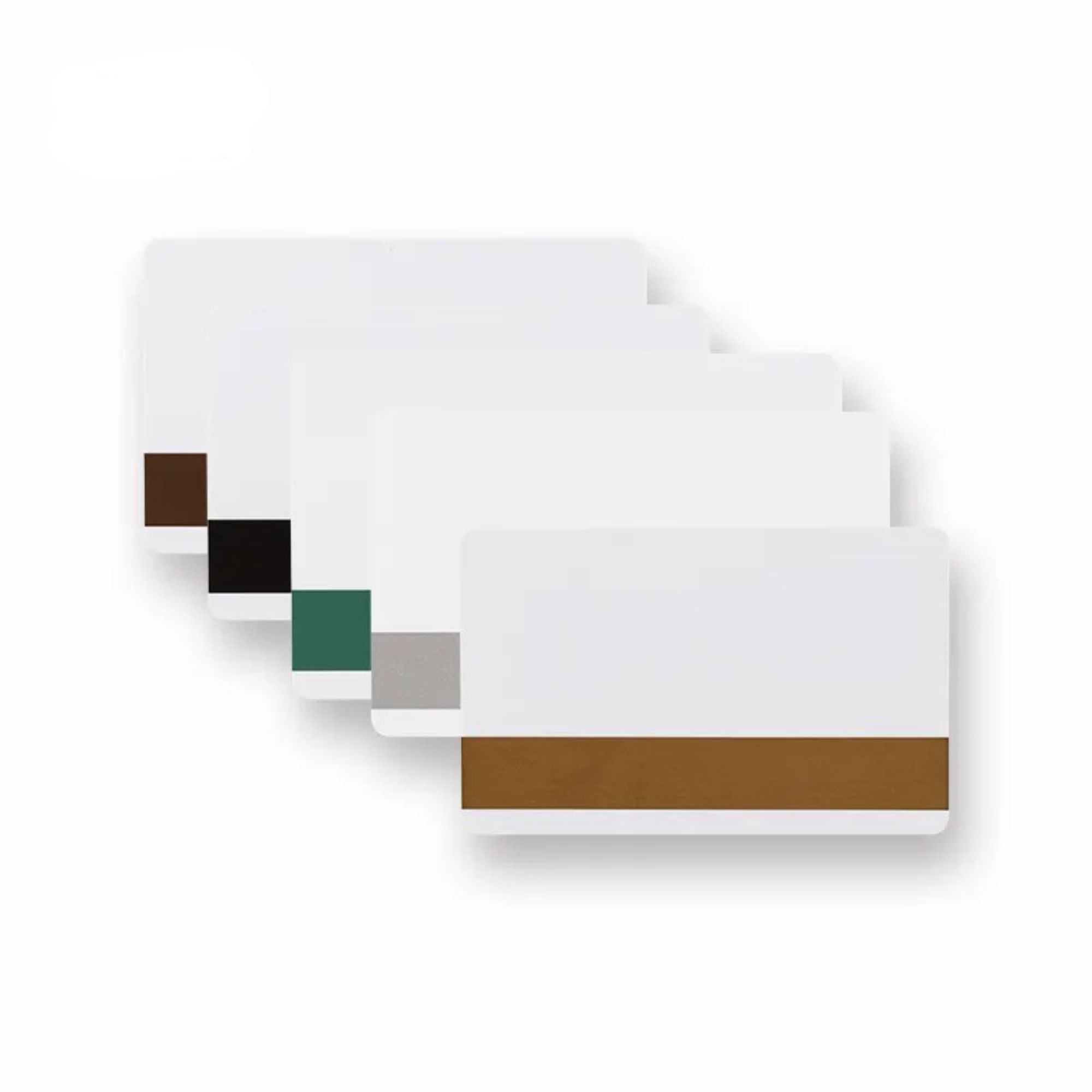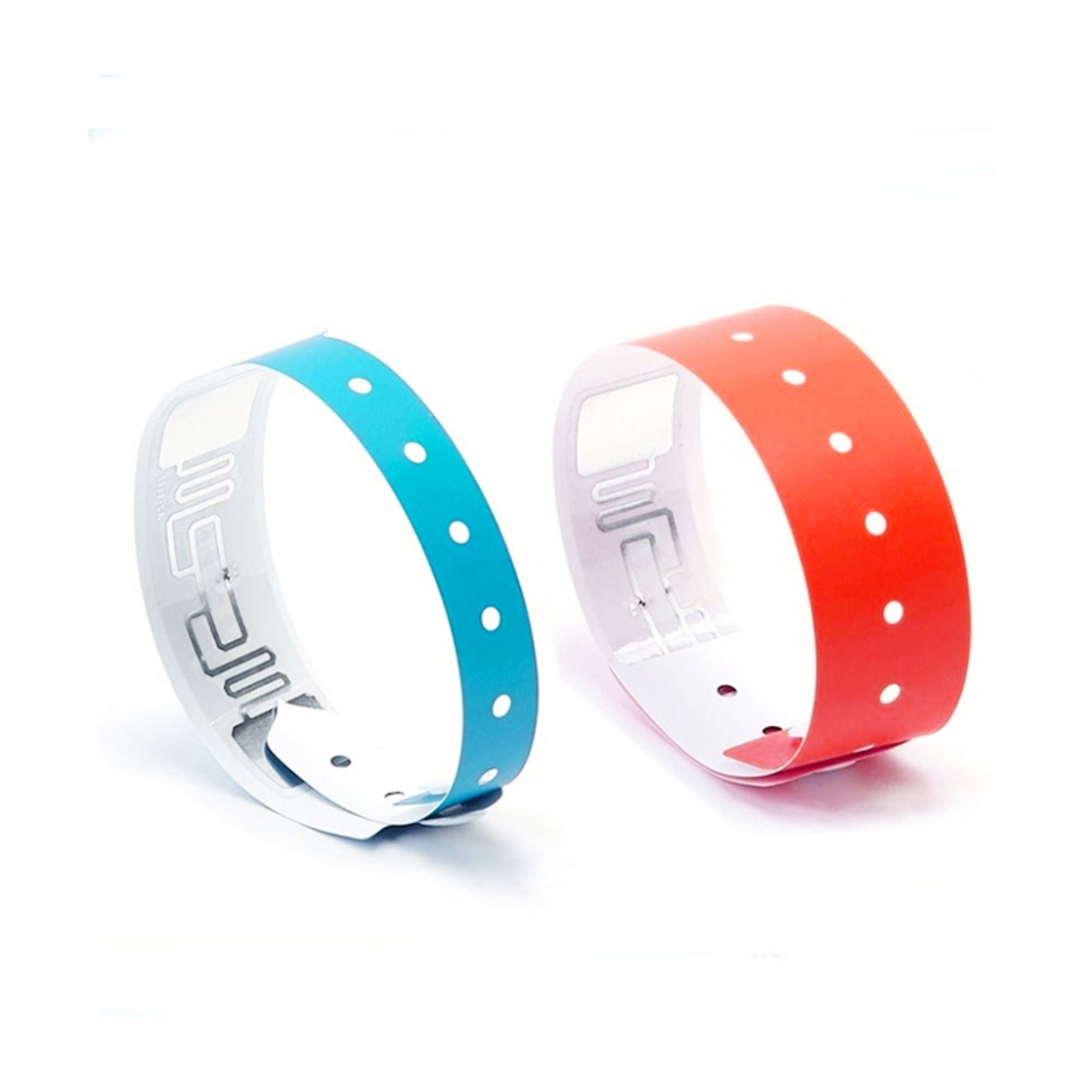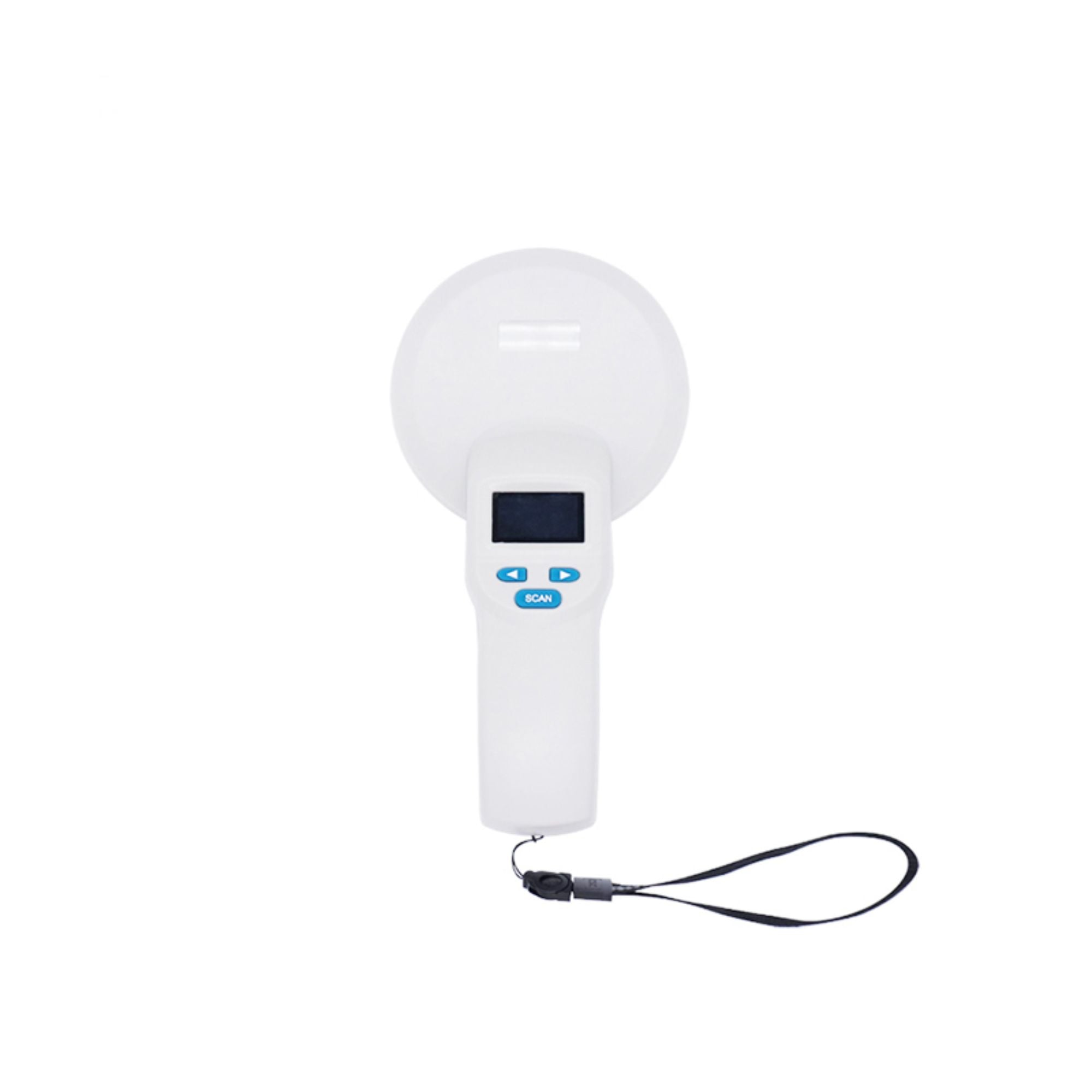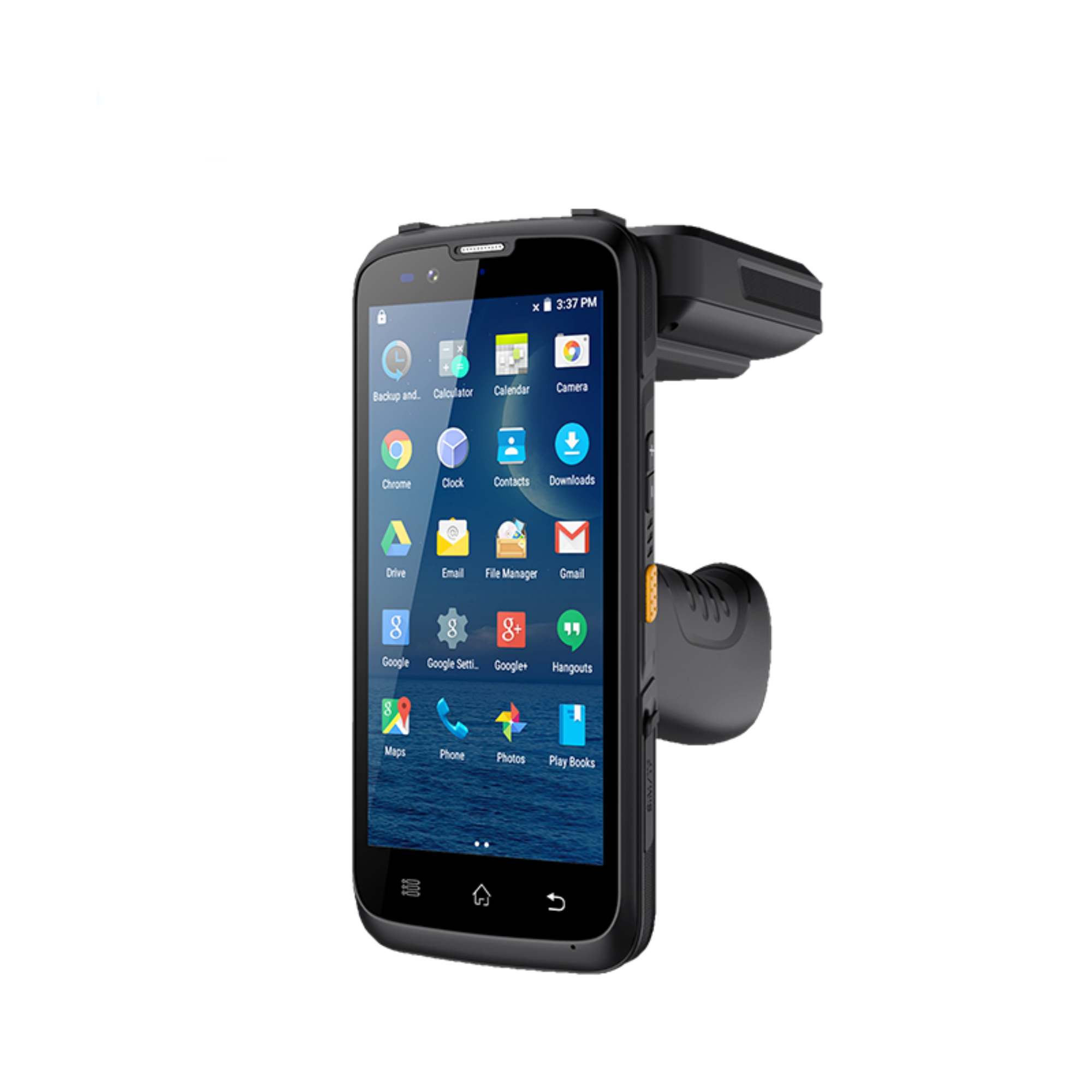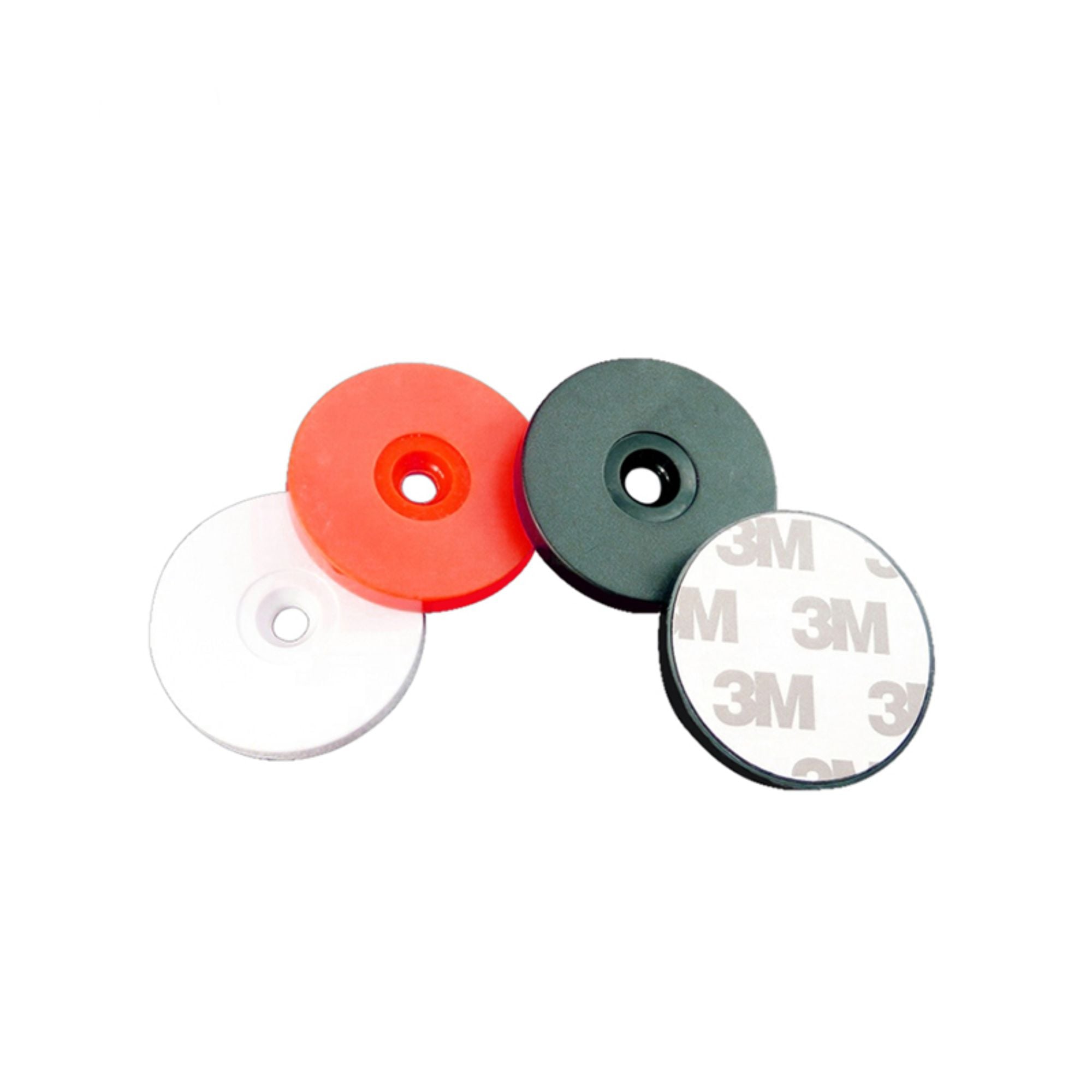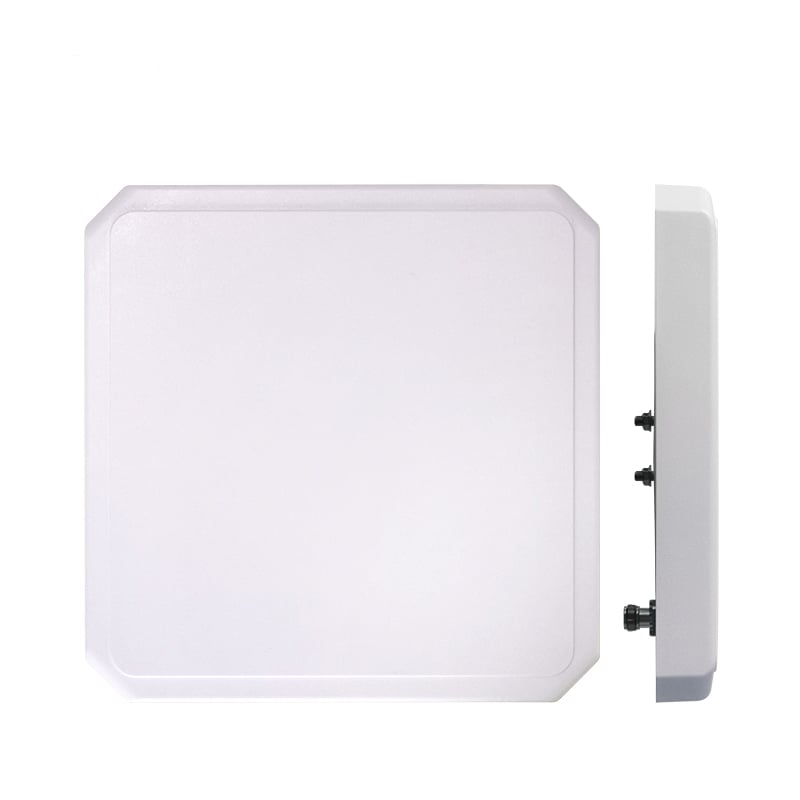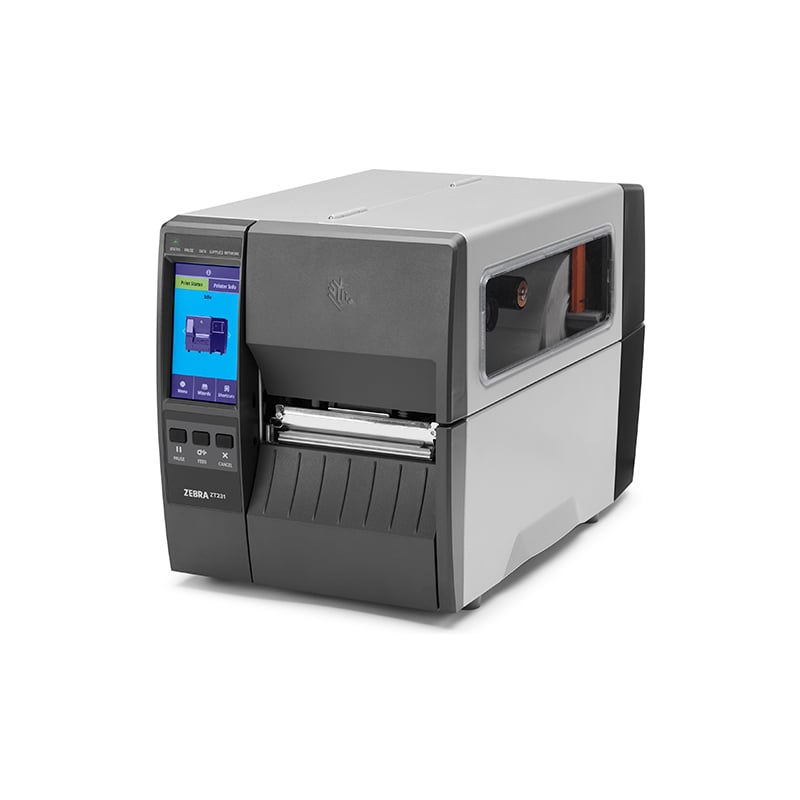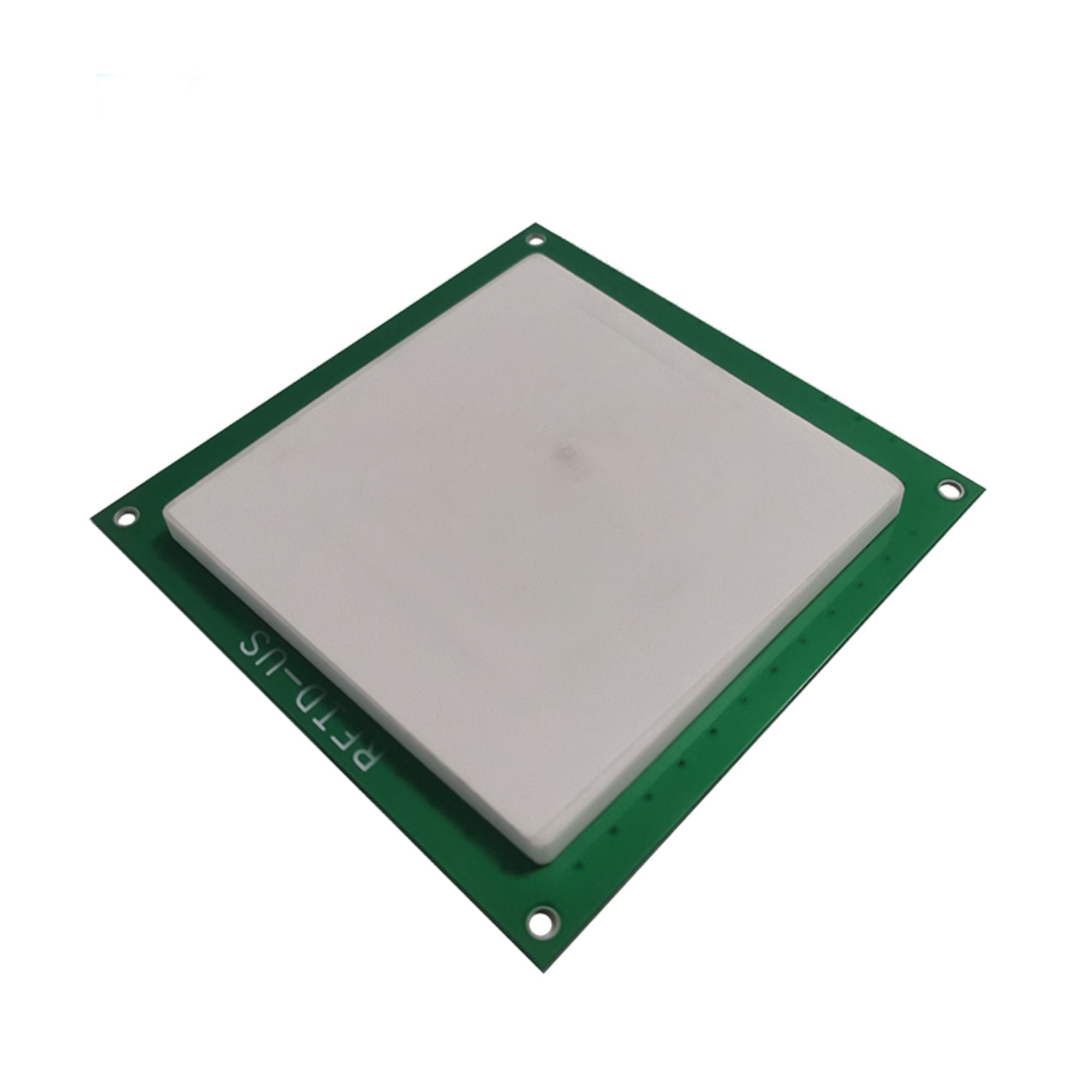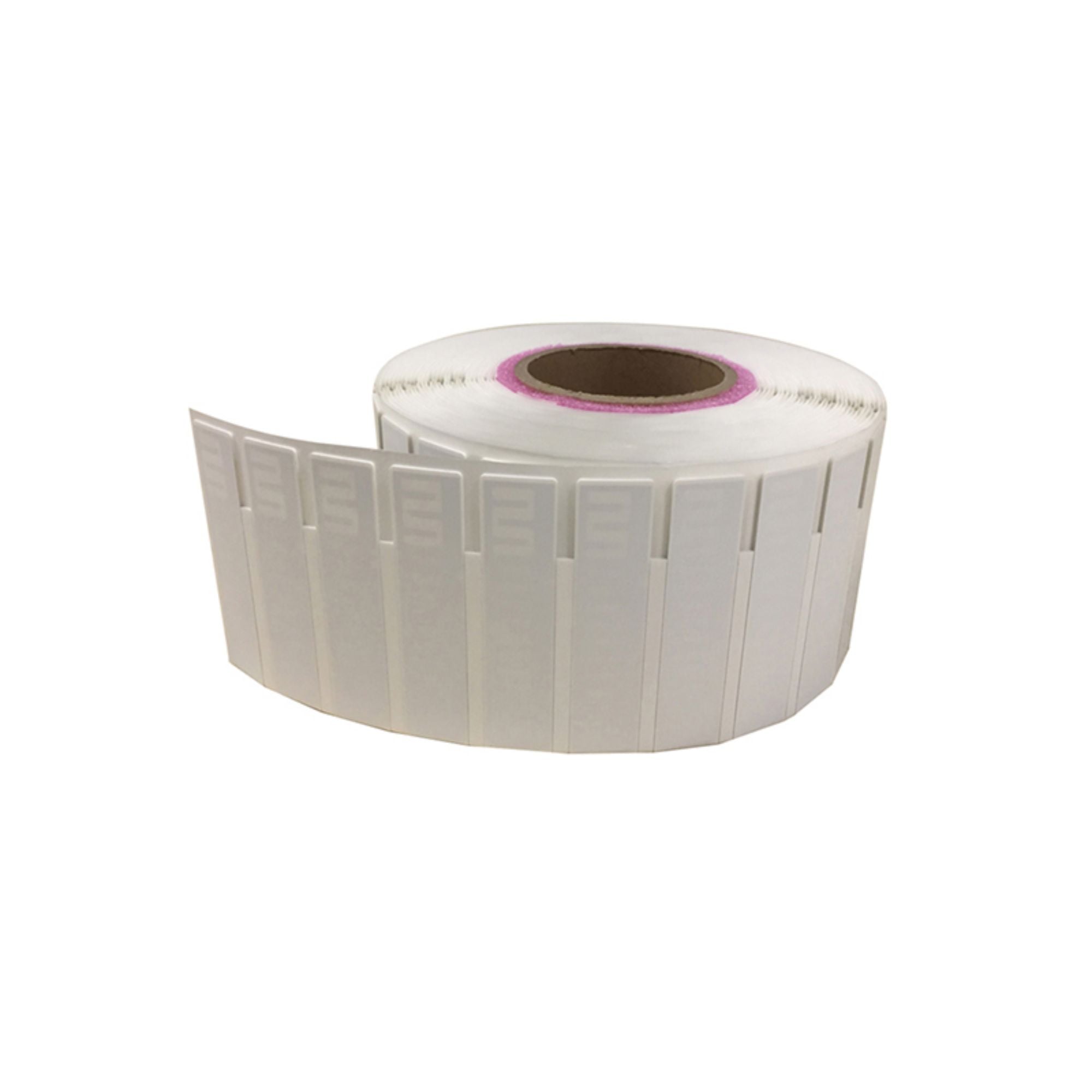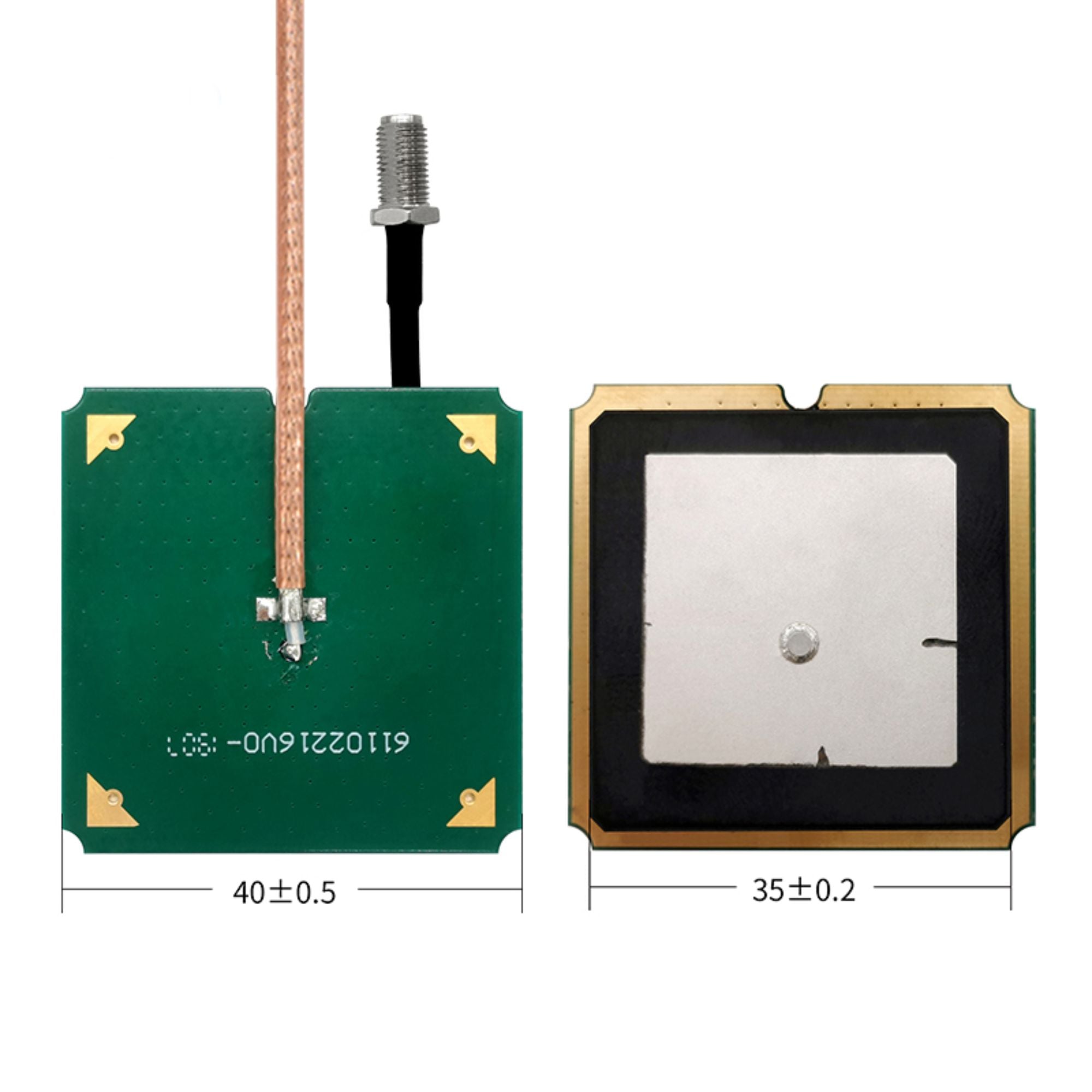
An RFID jewelry tag is an RFID label designed for the identification and inventory management of jewelry, watches, eyewear, and other small, high-value products. Each tag can be associated with an individual item or inventory record. When combined with RFID readers and inventory software, it supports faster stock counts, item location tracking, receiving and dispatch records, and exception alerts.
Compared with standard apparel hang tags or large asset tags, an RFID jewelry tag typically needs to meet three requirements:
A complete RFID jewelry inventory system generally includes four components:
The typical workflow is straightforward: first, the tag ID is associated with a specific product; next, the tag is attached to the jewelry hang tag, display tray, or another suitable location; during inventory counting, a fixed, desktop, or handheld reader scans the tags; finally, the software generates an inventory list or exception record.
Actual performance depends on the tag frequency, antenna design, reader power, jewelry material, tag position, and surrounding metal environment. For this reason, system performance should not be judged by the tag name alone. A site test in the actual store or warehouse environment is recommended before deployment.
Traditional stocktaking often requires staff to find, scan, and record items one by one. An RFID system can quickly identify multiple tagged items within a defined area, reducing repetitive manual work. This makes it suitable for daily counts, shift handovers, opening and closing checks, and scheduled inventory audits.
When tags are linked to product data, display cases, or trays, managers can more quickly determine whether an item is in the store, in storage, transferred to another location, or involved in a sales process. More timely inventory information supports replenishment, transfers, and sales decisions.
RFID reading reduces the need to copy product numbers or enter each item manually. For similar-looking rings, necklaces, earrings, and watch accessories, automated identification can help reduce recording errors and missed items.
An RFID system can record tag movement and reading status according to business rules. For example, if an item leaves an authorized display area, the system may generate an exception notification. RFID should be understood as an identification and record-keeping technology, not as a standalone anti-theft system. Whether an alert is triggered and how it is handled depends on the software rules, reader layout, and store procedures.
A jewelry tag should be compact, lightweight, and positioned so that it does not cover the product. For premium jewelry, the tag design should also consider color, hang-tag shape, attachment method, and the areas visible to customers. The identification function should not compromise the presentation experience.
Different frequency technologies suit different reading distances, system architectures, and business workflows. The table below is intended for initial selection only; final performance should be confirmed through an on-site test.
A store can associate tags with rings, necklaces, earrings, bracelets, and watches. Staff can perform area-based counts during opening, closing, or shift handover and compare the results with the sales or inventory system.
In display cases, jewelry trays, or warehouse trays, RFID equipment can help record whether products remain in their assigned positions. When combined with access control, the system can support the tracking of item removal, cabinet transfers, and handovers.
Wholesalers and brands can use RFID jewelry tags to manage products across multiple batches. During receiving, dispatch, and store transfers, tag reading can reduce item-by-item checking and preserve a record of each operation.
For high-value inventory, RFID should not be treated as a standalone theft-prevention device. It should work alongside video surveillance, access control, user permissions, inventory procedures, and exception handling. RFID provides traceable digital identification information that supports the broader security process.
Jewelry manufacturers can use tags during production, quality inspection, packaging, and finished-goods receiving. The item ID can be linked to a work order, production batch, or inspection record. The exact attachment position should be selected according to the product structure and manufacturing process so that it does not interfere with later processing or retail packaging.
Clarify whether the project requires single-item close-range verification, batch inventory counting, display-case management, or warehouse receiving and dispatch. The answer will affect the frequency, reader, antenna, tag size, attachment method, and software workflow.
Evaluate hang tags, cords, small holes, adhesives, or dedicated clips. The tag should not cover important product information and should not detach easily during wearing, packaging, transportation, or display.
Metal jewelry, metal trays, and metal display fixtures can change RF performance. Even when the tag is attached to a paper hang tag, the surrounding environment may affect reading. Testing should take place at the actual counter, display case, and warehouse shelf rather than only in an open area.
Check whether the tag frequency, protocol, reader, antenna, and inventory software are compatible. For UHF solutions, also confirm the operating band and relevant radio regulations in the target market.
The tag is only the entry point for product identification. The system's value depends on whether the tag ID is accurately associated with the product, whether the software supports inventory-status management, who can edit records, whether exceptions can be traced, and whether the system can connect with the existing POS or ERP platform.
Start with representative products in different sizes, metal types, tag positions, and display arrangements. Record read completeness, false reads, missed reads, operation time, and staff experience before finalizing the production specification.
Copyright © ©Copyright 2024 Greatest IoT Technology Co., Ltd all rights reserved - Privacy policy