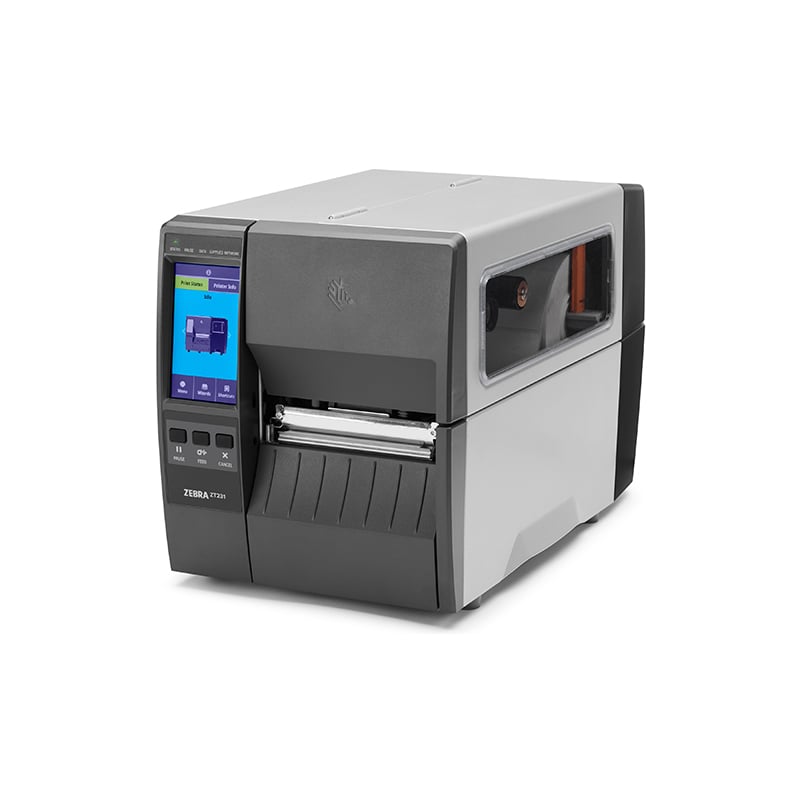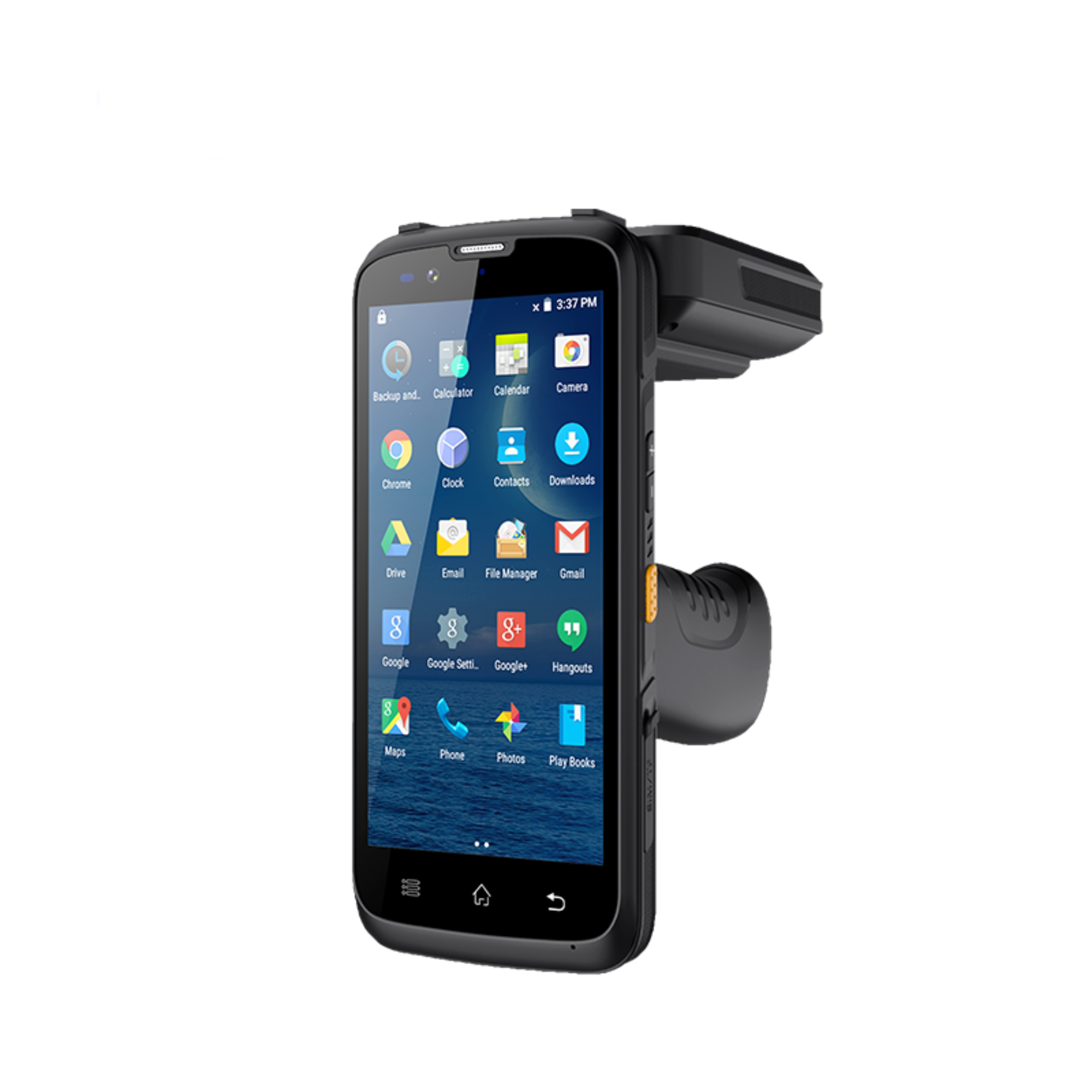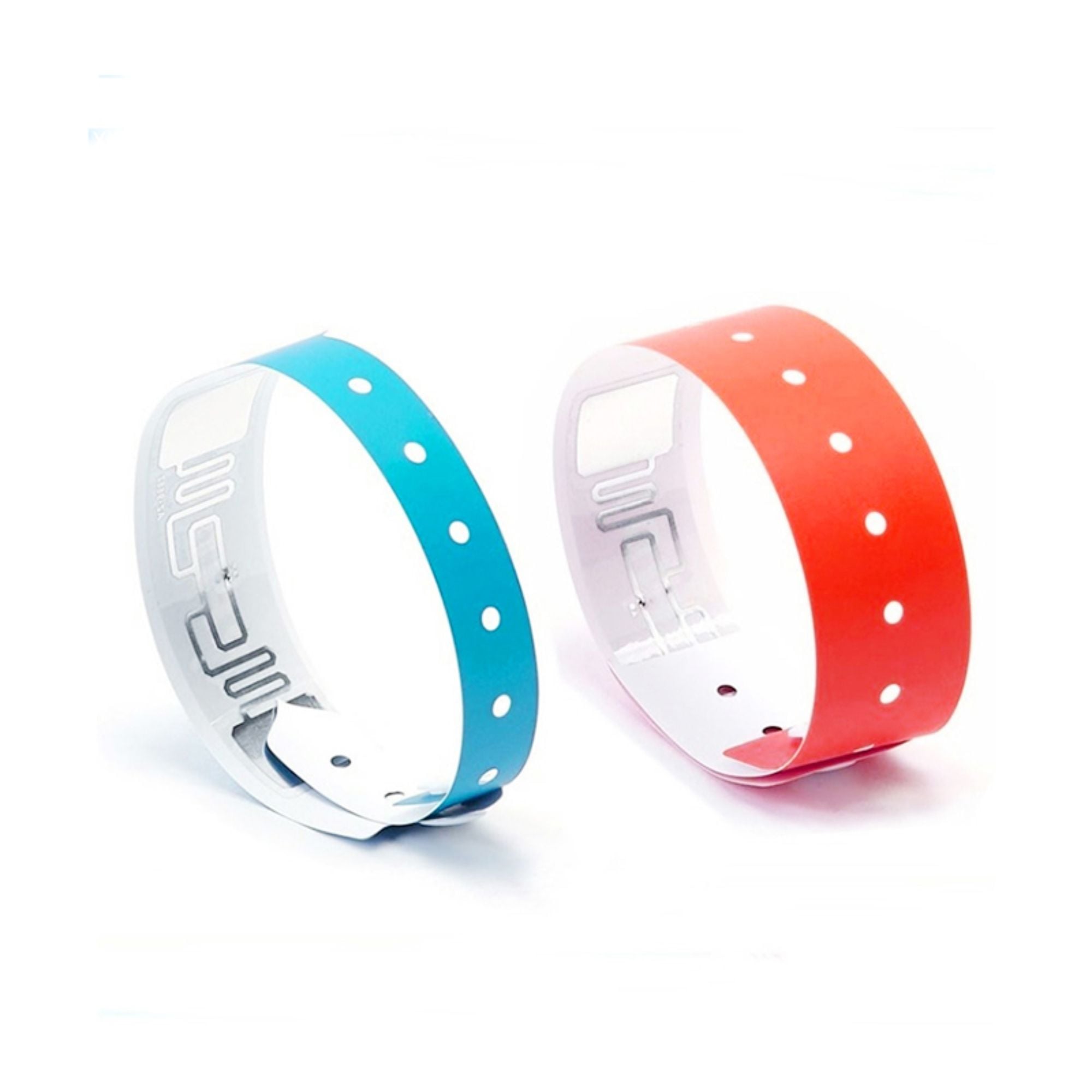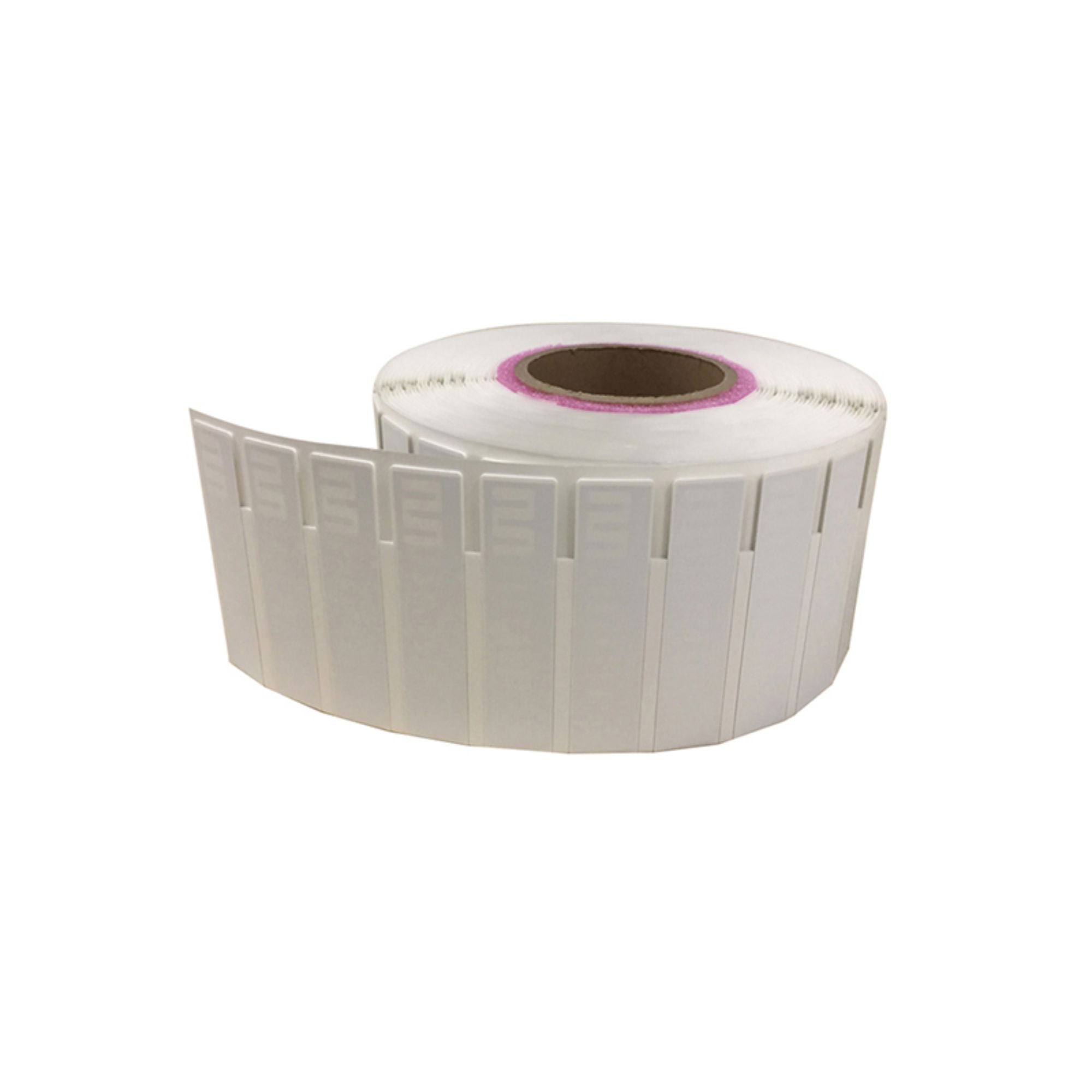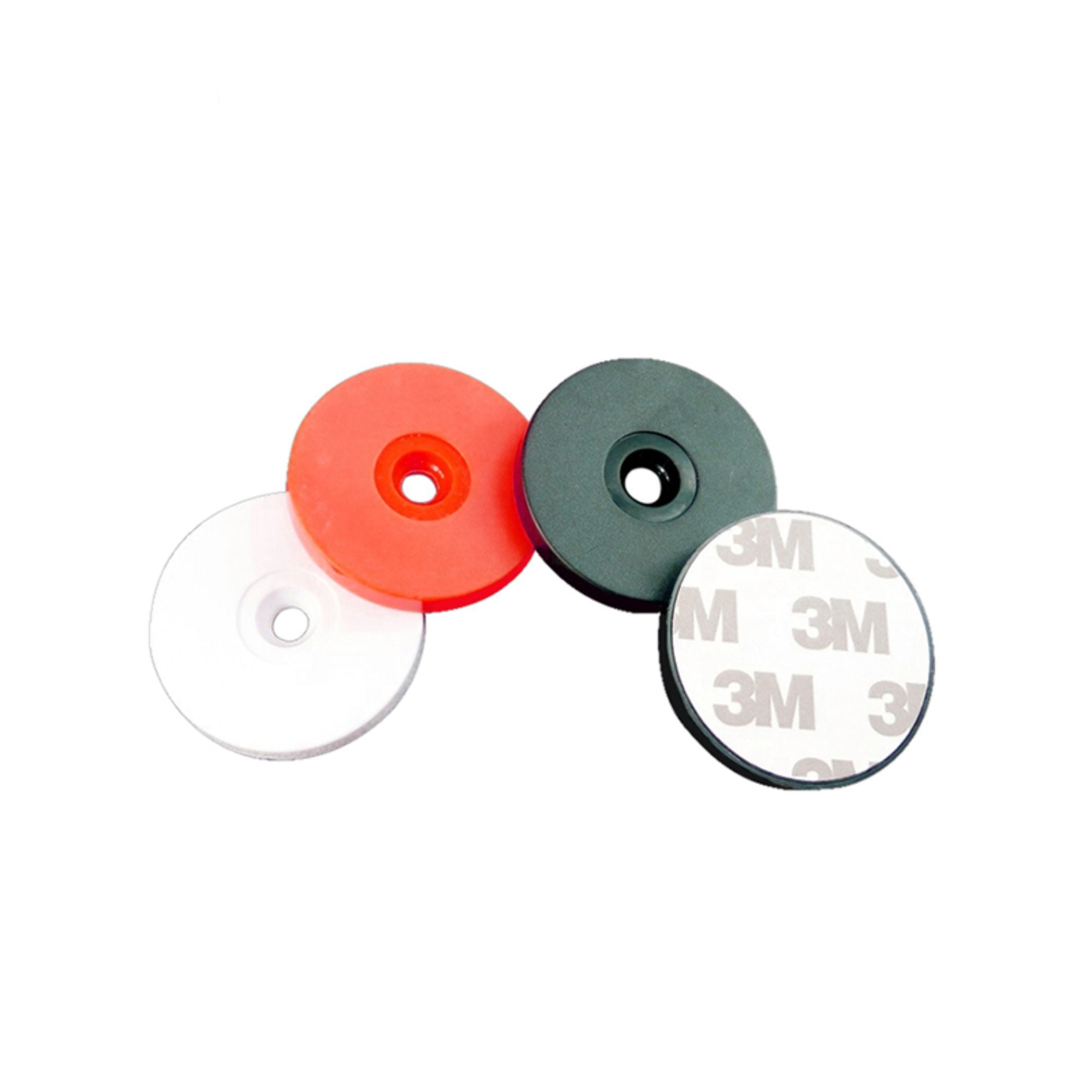
An RFID anti-liquid tag is a UHF RFID label built to keep its antenna electrically isolated from the liquid inside a container, so the tag can still be read when applied to bottles, vials, cans, or drums. A standard UHF inlay placed directly on a water bottle often fails outright or loses most of its range. An anti-liquid construction — typically a thick, low-loss spacer layer between the inlay and the container wall — restores usable performance.
The key point for buyers is this: "anti-liquid" is not a coating or a marketing adjective. It is a structural property of how the inlay sits relative to the liquid, and it has to be validated on your actual container, fill level, and reader setup.
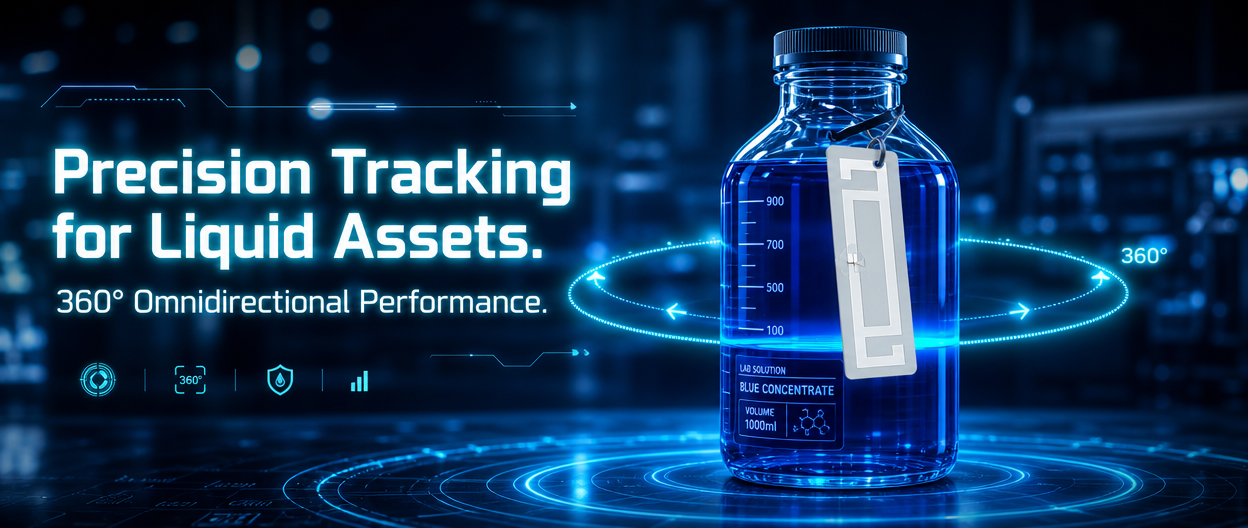
UHF RFID (860–960 MHz) uses far-field backscatter: the reader radiates energy, the tag antenna harvests it, modulates it, and reflects it back. Anything that changes the electromagnetic environment right next to the antenna changes the tag's behaviour.
Liquids do this in three ways at once:
Academic work on liquid-filled bottles summarises the design problem as driven by "high conductivity, high permittivity, and the variety of liquids" — meaning the same tag design does not behave identically on water, syrup, alcohol, oil, or saline.
Practical consequence: a tag that reads reliably on a dry carton can fail on a filled bottle in the same position. This is a physics problem, not a defective product.
Frequency choice is where most projects should start, because it decides how much engineering the tag needs.
Copyright © ©Copyright 2024 Greatest IoT Technology Co., Ltd all rights reserved - Privacy policy